


How Should Consumers Return An Empty R134a Refrigerant Can Safely
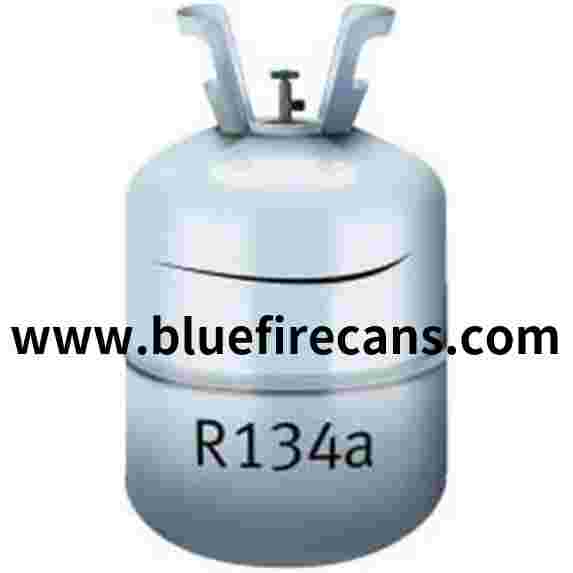
When an empty R134a Refrigerant Can reaches the end of its useful life, treating it as ordinary trash is not safe or responsible. Proper disposal protects air quality, avoids regulatory trouble and preserves material value. This guide walks through practical, compliant and accessible ways to manage empty refrigerant containers so technicians, retailers and household buyers can act with confidence while meeting local rules and taking part in circular practices.
First rule of thumb: do not vent refrigerant to the atmosphere. Laws and regulatory guidance prohibit intentional release of refrigerants during disposal and service work, and enforcement agencies treat venting as a serious compliance issue. That restriction matters because refrigerants can affect climate and air quality if released.
So what does safe disposal look like in practice? Start by treating the can as a pressurised container that may still contain vapour or tiny liquid residue. The broadly accepted steps used by professionals are evacuation and recovery followed by delivery to a certified recycling or reclaim facility. HVAC technicians use recovery equipment to remove residual refrigerant into certified machines so that the gas is captured for reuse or proper reclamation. When cans are fully evacuated and processed by authorised operators they can be routed into recycling streams or returned to suppliers that operate take back programs.
If you are a consumer with an empty can, look for local collection options that accept refrigerant cylinders. Many retailers, service centres and municipal hazardous waste programs run drop off services or deposit return schemes for refrigerant cans. Some vendor programs accept returned cylinders for a small deposit. These community level options keep refrigerants out of the waste stream and give manufacturers or licensed reclaimers a chance to capture any remaining gas and recycle the metal container responsibly.
Once a can is confirmed empty and had any remaining vapour recovered by a certified process, the metal shell can usually be treated as scrap. Scrap recyclers and specialist reclaimers accept evacuated metal cylinders for melting or refurbishment provided they meet local acceptance criteria for empty pressurised containers. Before taking cans to a recycler check with the facility about any specific prep they require such as valve removal or a documented statement that the can was evacuated. These checks prevent rejected loads and ensure smooth handoffs.
Practical guidance for workshops and small businesses
Use certified recovery tools. Only certified recovery or recycling machines should be used to remove residual refrigerant. These units are designed to capture gas safely and to prepare refrigerant for reclamation.
Keep clear records. For commercial work, log recovery actions and note whether the can was returned to a supplier program or taken to an authorised facility. Documentation helps with compliance and streamlines future inspections.
Avoid home venting tricks. Home improvised venting or puncturing a pressurised can is unsafe and often illegal. Instead, accumulate empty cans securely and arrange a drop off at a certified centre or authorised retailer.
Inspect for damage. Dented or corroded cans create extra risk in transport and handling. Segregate these and explain the condition to the receiving recycler so they can manage them appropriately.
Retailers and procurement teams have a role too. If you sell refrigerant cans, provide clear return options and shelf messaging that guides customers to safe disposal routes. Consider partnering with service centres or municipal programs that accept returns and consider offering a small incentive to encourage responsible behavior. Having visible instructions on packaging or at the point of sale lowers the chance of misuse and fosters trust with environmentally conscious shoppers.
Transport and packing notes
When shipping empty cans to a recycler or returning them to a supplier program, pack them to protect valve stems and prevent denting. Use sturdy cartons, secure inner carriers and clear labeling that indicates the contents are evacuated and safe for transport. Forwarding documentation that shows the can was processed by recovery equipment reduces the chance of hold ups during transit. Suppliers who publish packing and return instructions make life easier for logistics partners and reduce receiving delays.
Special programs and local rules matter
Disposal pathways vary by jurisdiction. Some areas run deposit return programs that encourage returns of emptied refrigerant cans. Other regions require that only licensed technicians handle recovery and that authorised reclaimers process the gas. Check local municipal guidance or industry programs for specific collection points and any eligibility criteria. When in doubt contact an HVAC professional or a licensed reclaim facility for advice about the nearest compliant option.
Environmental and circular benefits
When refrigerant is recovered and reclaimed rather than released, its global warming impact is reduced and material from the can is preserved. Recycled metal reduces the need for virgin metal production and keeps valuable material in use. For businesses, integrating return and reclamation into procurement and after sales reduces regulatory exposure while supporting more resilient operations.
A short checklist before you hand over a can
• Confirm recovery: ensure the can was evacuated by certified equipment or that it is truly empty.
• Document the action: keep a short note of recovery or return.
• Pack safely: protect stems and prevent denting during shipment.
• Use authorised channels: take the can to an approved facility, retailer return program, or licensed reclaimer.
Managing empty refrigerant cans responsibly keeps fleets, workshops and households on the right side of regulations while protecting the atmosphere and preserving material value. If your organisation needs supplier guidance on accepted return programs, packing standards and product pages that explain handling, supplier resources can help shape in store guidance and logistics workflows. For product pages and supplier information see https://www.bluefirecans.com/ .
 Spanish
 English
 Arabic
 French
 Portuguese
 Deutsch
 Turkish
 Dutch
Dutch
 Italiano
 Russian
 Romaian
 Portuguese (Brazil)
 Greek
Greek
