


How Basement Waterproofing Prevents Structural Damage
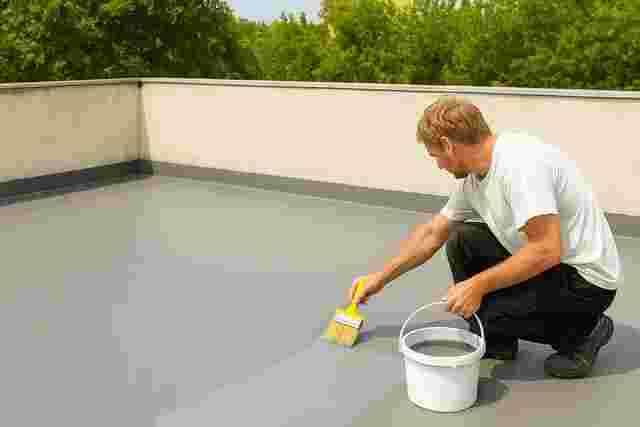
Water seepage and moisture accumulation in basements are silent threats to any property. Over time, unchecked dampness can weaken foundations, damage walls, and even compromise the safety of the entire building. Professional basement waterproofing ensures that your home remains structurally sound while preventing costly repairs in the future. By addressing leaks, cracks, and hydrostatic pressure effectively, waterproofing safeguards not only your basement but also the long-term integrity of your property.
Why Basements Are Vulnerable to Water Damage
Basements, being partially or fully below ground level, are inherently exposed to water infiltration. Factors contributing to vulnerability include:
-
Heavy rainfall and monsoon seasons
-
High groundwater levels and poor drainage
-
Cracks in foundation walls or floors
Even small leaks, if ignored, can lead to severe structural issues, making professional waterproofing essential for every homeowner.
Impact of Water on Structural Integrity
Water penetration can cause significant damage to a building’s foundation. Some common issues include:
-
Concrete spalling and erosion
-
Widening of existing cracks
-
Settlement issues and uneven floors
Moisture weakens the materials and compromises the stability of the structure, potentially leading to expensive and extensive repairs.
Hydrostatic Pressure Explained
When water accumulates in soil surrounding the basement, it creates hydrostatic pressure. This pressure can force water through cracks and porous walls, accelerating structural degradation over time.
How Basement Waterproofing Protects Your Home
Professional basement waterproofing involves a combination of preventive and corrective measures to safeguard your home.
Key components include:
-
Sealing foundation cracks and joints to prevent leaks
-
Applying waterproof coatings and membranes
-
Installing drainage systems to redirect water away from the foundation
-
Incorporating sump pumps and interior drainage channels
These measures ensure that water is effectively managed, keeping your basement dry and your structure intact.
Financial Benefits of Waterproofing
While professional waterproofing may seem like an initial expense, it prevents far more significant costs in the long run.
Financial advantages include:
-
Reducing repair costs for walls, floors, and foundations
-
Preventing damage to furniture, electronics, and stored items
-
Minimizing renovation expenses caused by prolonged water exposure
Investing in basement waterproofing is ultimately cost-effective and protects the value of your property.
Health Advantages and Mold Prevention
Moist basements often become breeding grounds for mold and mildew, which can negatively affect indoor air quality.
Waterproofing helps:
-
Keep the basement dry and mold-free
-
Reduce allergens and bacterial growth
-
Provide a safer environment for children, pets, and elderly family members
A dry, well-protected basement contributes to healthier living conditions throughout the home.
Modern Techniques Used in Basement Waterproofing
Today’s waterproofing solutions combine durability with innovation. Professionals use methods such as:
-
Interior and exterior sealants
-
Liquid-applied membranes
-
Waterproof paints and coatings
-
Sump pump systems and drainage channels
Each method addresses specific challenges, ensuring that both visible leaks and hidden moisture threats are managed effectively.
DIY vs Professional Basement Waterproofing
While DIY methods may appear cost-effective, they rarely address the root causes of basement water problems.
Professional services provide:
-
Comprehensive assessment of foundation vulnerabilities
-
Access to high-quality materials and advanced tools
-
Long-lasting and reliable results backed by warranties
DIY approaches often mask symptoms, whereas professional waterproofing ensures structural safety and durability.
Signs Your Basement Needs Waterproofing
Recognizing early signs can prevent extensive damage. Look out for:
-
Persistent damp spots or water stains on walls and floors
-
Musty odors and mold growth
-
Cracks or peeling paint in the basement walls
-
Efflorescence, which is a white powdery substance on walls
Prompt action at these warning signs can save both money and structural integrity.
Environmental Benefits of Basement Waterproofing
Waterproofed basements reduce the environmental impact of frequent repairs and replacements. Benefits include:
-
Less material waste from damaged structures
-
Reduced chemical use for mold remediation
-
Longer lifespan for building materials, promoting sustainability
By investing in waterproofing, homeowners contribute to environmentally responsible building maintenance.
Frequently Asked Questions
How often should a basement be waterproofed?
-
Generally every 5–10 years, depending on soil conditions and structural health.
Can existing basements be retrofitted?
-
Yes, both interior and exterior waterproofing solutions can be applied to most existing basements.
Does waterproofing require major renovations?
-
Not necessarily; many solutions are minimally invasive yet highly effective.
Will waterproofing prevent all water-related problems?
-
Professional waterproofing addresses most water intrusion, including groundwater, rainwater seepage, and plumbing leaks.
Long-Term Protection and Peace of Mind
Investing in basement waterproofing offers more than structural safety—it ensures long-term peace of mind. By preventing water damage, mold growth, and foundation weakening, homeowners can enjoy a secure and healthy living environment. With professional waterproofing, your basement remains dry, your structure remains strong, and your property value is preserved for years to come.
 Dutch
Dutch
 English
 Arabic
 French
 Spanish
 Portuguese
 Deutsch
 Turkish
 Italiano
 Russian
 Romaian
 Portuguese (Brazil)
 Greek
Greek
