


Rodent Control in the UK: Prevention Tips Every Homeowner Should Know
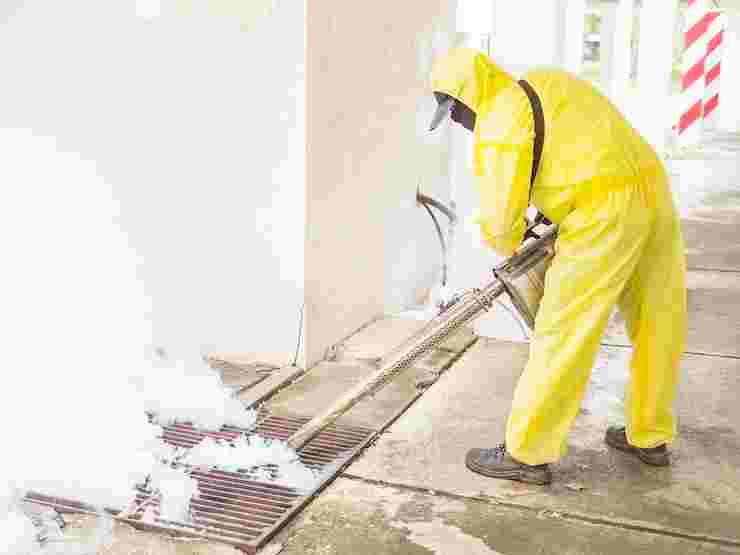
Rodent infestations remain one of the most persistent and damaging property issues faced by UK homeowners. Rats and mice are not seasonal inconveniences; they are year-round threats capable of causing structural damage, contaminating food supplies, and spreading serious diseases. Working with a professional pest control company is often essential, but prevention begins with informed homeowners who understand how rodents enter properties, what attracts them, and how to stop infestations before they start.
Why Rodent Control Is a Serious Issue in the UK
The UK’s dense housing, ageing infrastructure, and temperate climate create ideal conditions for rodents. Sewer networks, wall cavities, loft spaces, and garden sheds provide warmth and shelter throughout the year. Rats and mice breed rapidly, meaning a small, unnoticed problem can escalate into a major infestation within weeks.
Rodents are not just a nuisance. They gnaw continuously to keep their teeth trimmed, damaging electrical wiring, insulation, pipework, and timber. This behaviour increases the risk of electrical fires and costly repairs. In addition, rodents carry pathogens such as leptospirosis, salmonella, and hantavirus, posing serious health risks to occupants.
Common Rodents Found in UK Homes
Brown Rats (Rattus norvegicus)
Brown rats are the most common rat species in the UK. They are strong swimmers and frequently access properties via drains and sewers. Once inside, they tend to nest in basements, kitchens, wall voids, and under flooring.
House Mice (Mus musculus)
House mice are smaller but equally problematic. They can squeeze through gaps as small as 6mm and often nest in lofts, cupboards, and behind appliances. Their constant movement makes them difficult to detect early.
How Rodents Gain Access to Properties
Structural Entry Points
Rodents exploit weaknesses in buildings. Cracked brickwork, broken air vents, damaged roof tiles, and gaps around pipe entries are common access routes. Older UK homes are particularly vulnerable due to natural wear and outdated construction methods.
Drain and Sewer Access
Faulty drains are a major entry point for rats. Collapsed pipes or broken interceptors allow rodents to travel directly from sewers into kitchens and bathrooms, often without visible external signs.
Open Doors and Poorly Sealed Windows
Ground-level doors left ajar, damaged weather stripping, and poorly fitted windows provide easy access, especially during colder months when rodents seek warmth.
Early Warning Signs of Rodent Activity
Physical Evidence
Droppings, gnaw marks, shredded paper, and nesting materials are clear indicators of rodent presence. Grease marks along walls and skirting boards often signal repeated rodent pathways.
Sounds and Smells
Scratching or scurrying noises in walls or ceilings, particularly at night, are common signs. A persistent ammonia-like smell may indicate urine accumulation from an established infestation.
Effective Rodent Prevention Strategies
Seal All Potential Entry Points
Inspect the exterior and interior of the property regularly. Seal cracks with cement or metal mesh, replace damaged vents with rodent-proof covers, and ensure pipe entry points are tightly sealed.
Maintain Clean Living Spaces
Rodents are attracted to food availability. Store dry goods in sealed containers, clean spills immediately, and avoid leaving pet food overnight. Regular bin maintenance and secure lids are essential.
Garden and Outdoor Management
Overgrown gardens, compost heaps, and cluttered sheds provide ideal nesting sites. Keep vegetation trimmed away from walls, store firewood off the ground, and avoid feeding birds excessively, as spillage attracts rodents.
Drain Maintenance and Inspection
Regular drain inspections help prevent sewer-based infestations. Installing rat blockers in drainage systems is an effective long-term solution for many UK homes.
Why Professional Rodent Control Matters
Accurate Identification and Targeted Treatment
Professional technicians identify the species involved, locate nesting sites, and apply treatments designed to eliminate the infestation efficiently. Incorrect DIY treatments often worsen the problem by dispersing rodents deeper into the property.
Safe and Compliant Methods
Licensed pest controllers use approved products and follow UK safety regulations, ensuring treatments are effective without posing risks to occupants, pets, or the environment.
Long-Term Prevention and Proofing
Beyond removal, professionals provide proofing recommendations and carry out preventative measures to reduce the risk of recurrence. This approach protects both the property and its occupants over the long term.
Legal and Health Considerations for Homeowners
Under UK housing and environmental health standards, homeowners are responsible for maintaining properties free from infestations. Failure to address rodent issues can result in enforcement action from local authorities, particularly in rented or multi-occupancy properties.
From a health perspective, prompt rodent control reduces exposure to allergens, bacteria, and parasites, safeguarding vulnerable individuals such as children and the elderly.
Protecting Your Home Against Future Infestations
Rodent control is not a one-time task; it is an ongoing process of vigilance, maintenance, and prevention. Regular inspections, proper waste management, and structural upkeep form the foundation of effective control. When combined with professional expertise, these measures ensure homes remain secure, hygienic, and free from destructive pests.
By addressing vulnerabilities early and implementing proven prevention strategies, UK homeowners can protect their properties, preserve their health, and avoid the significant costs associated with uncontrolled rodent infestations.
 English
 Arabic
 French
 Spanish
 Portuguese
 Deutsch
 Turkish
 Dutch
Dutch
 Italiano
 Russian
 Romaian
 Portuguese (Brazil)
 Greek
Greek
