


A Quiet Evening, A Pencil, and a Sudoku Puzzle
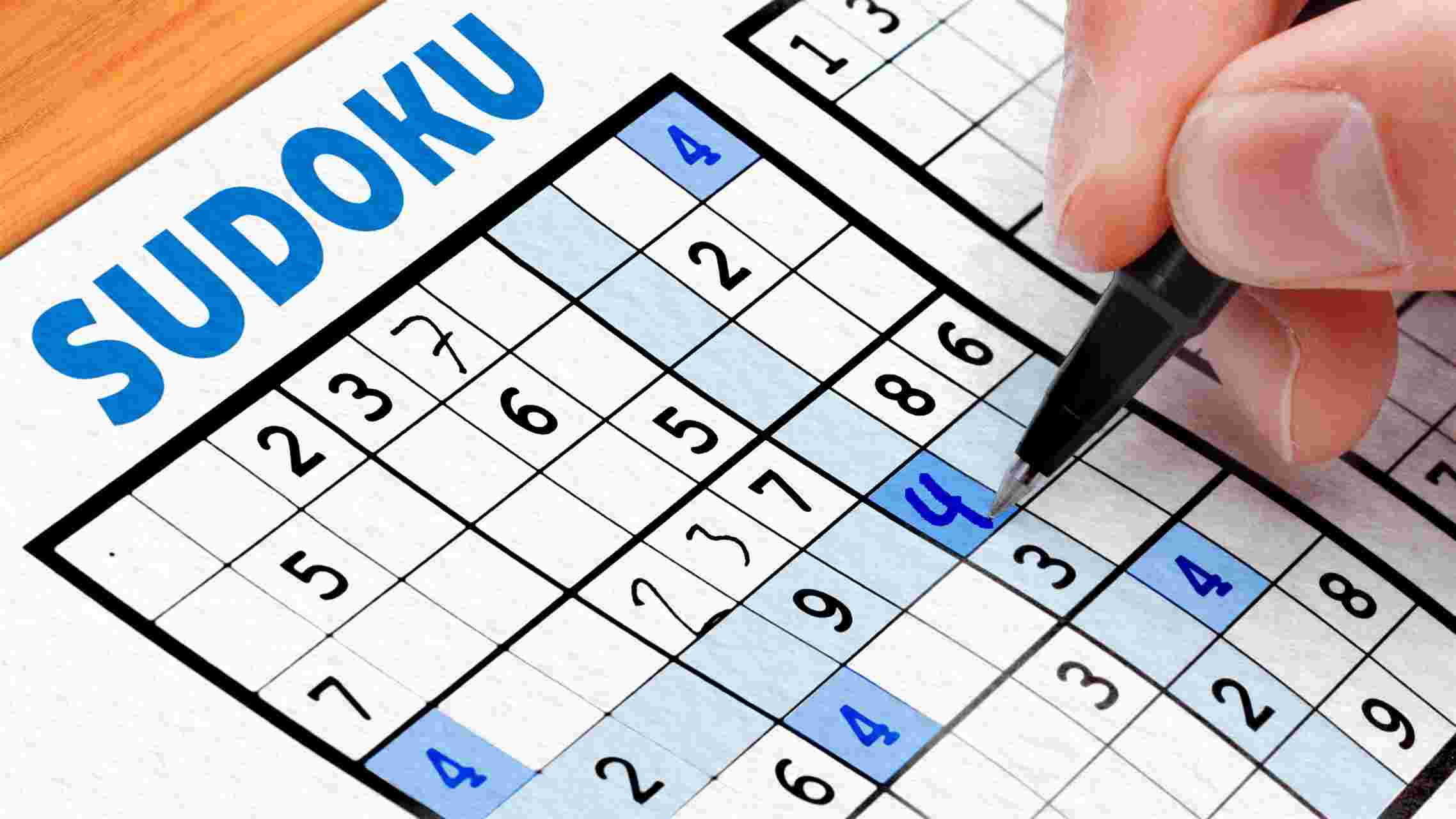
How a Simple Grid Became My Favorite Brain Game
A few years ago, I didn’t think I would ever enjoy number puzzles. To be honest, numbers usually reminded me of school exams and long math classes, not something relaxing or fun.
But one evening changed that.
I was visiting a friend, and while waiting for dinner, I noticed a newspaper on the table. On the last page, there was a small section filled with puzzles—crosswords, word searches, and a grid labeled Sudoku.
Out of pure curiosity, I picked up a pen and decided to give it a try.
I didn’t expect much. I thought I would fill in a few numbers, get bored, and move on. Instead, I spent almost forty minutes staring at that little grid, trying to make sense of the patterns.
And strangely, I loved every minute of it.
The First Puzzle Is Always the Most Confusing
Understanding the Rules
At first glance, Sudoku looks simple. You see a grid divided into nine smaller boxes, with some numbers already placed inside.
The goal seems straightforward: fill the empty spaces so that each row, column, and 3×3 box contains the numbers 1 through 9 exactly once.
That’s it.
No complicated formulas. No calculations.
Just logic.
But when I started my first puzzle, I quickly realized that “simple” doesn’t always mean “easy.” I placed a few numbers that looked obvious, and then suddenly I hit a wall.
Every empty square seemed possible.
I kept looking at the same row again and again, hoping the answer would magically appear.
It didn’t.
Still, something about the challenge made me want to continue.
The Puzzle That Made Me Fall in Love with Sudoku
A Small Victory That Felt Huge
After several attempts, I finally started to understand how the puzzle works.
Instead of guessing numbers randomly, I began looking for clues. If a row already had most of the numbers, I could figure out which one was missing. If a column contained certain digits, I could eliminate those possibilities from nearby squares.
Little by little, the grid started filling up.
Every time I placed the correct number, it felt like solving a tiny mystery. That feeling kept pushing me forward.
Then I reached the final square.
I remember pausing for a moment before writing the last number, just to double-check everything. When I finally filled it in and realized the puzzle was complete, I felt an unexpected sense of accomplishment.
It wasn’t a big achievement, but it was satisfying in a very calm, quiet way.
That’s when I understood why people enjoy Sudoku so much.
The Funny Frustration of Hard Puzzles
Of course, not every puzzle goes smoothly.
There are times when a Sudoku grid feels like it’s deliberately trying to confuse you. You check rows, columns, and boxes repeatedly, but nothing seems to work.
I once spent nearly twenty minutes trying to place a single number.
At one point I even thought the puzzle might be incorrect. I stared at the page like it had betrayed me.
Eventually, I discovered that the solution had been there the entire time. I had simply overlooked one small detail in a nearby box.
Moments like that can be frustrating, but they’re also strangely satisfying. They remind you that the puzzle isn’t impossible—it just requires patience.
Why Sudoku Is the Perfect Break
A Moment of Focus
In today’s world, it’s easy to feel distracted. Phones buzz with notifications, emails arrive constantly, and social media feeds never seem to end.
Sudoku offers a rare kind of quiet focus.
When you sit down with a puzzle, your mind shifts into a different mode. Instead of multitasking, you concentrate on one small challenge at a time.
That focus can be surprisingly relaxing.
Sometimes I play a puzzle during my lunch break, and it feels like a mental reset. After solving a few rows or boxes, my mind feels clearer and more refreshed.
A Game Without Pressure
Another thing I appreciate about Sudoku is that there’s no real pressure. You’re not competing against other players, and there’s no timer forcing you to hurry.
You can solve the puzzle at your own pace.
Some days I finish a grid quickly. Other days I take my time and enjoy the process.
Either way, the experience feels calm and satisfying.
Small Strategies That Make a Big Difference
After solving many puzzles, I’ve learned a few simple strategies that make things easier.
One of the best approaches is to start with the most complete areas of the grid. Rows or boxes that already contain many numbers often reveal missing digits quickly.
Another helpful trick is eliminating possibilities. Instead of thinking about which number might fit, I think about which numbers definitely cannot go in a certain square.
This method gradually narrows the options until the correct number becomes obvious.
And of course, if I get stuck for too long, I take a short break. A fresh perspective can reveal patterns that were invisible before.
What Makes Sudoku So Special
There are countless puzzle games available today, but Sudoku has something unique about it.
It’s simple enough for beginners but challenging enough to keep experienced players interested. Each puzzle offers a new pattern to explore and a new problem to solve.
Most importantly, every solution comes from logic.
When you complete a Sudoku grid, you know that you figured it out step by step. That sense of progress is incredibly rewarding.
One Grid at a Time
These days, solving Sudoku puzzles has become part of my routine. Sometimes I play a quick game in the morning while drinking coffee. Other times I tackle a tougher puzzle in the evening when I want to relax.
It’s a small habit, but one that brings a surprising amount of enjoyment.
All it takes is a grid, a few numbers, and a little patience.
 Spanish
 English
 Arabic
 French
 Portuguese
 Deutsch
 Turkish
 Dutch
Dutch
 Italiano
 Russian
 Romaian
 Portuguese (Brazil)
 Greek
Greek
