


https://sites.google.com/view/synaptigen-holiday-sale-ending/synaptigen

Bedrijvengids
come fare nuove amicizie autentiche online, piattaforma per condividere ricordi e storie personali, social network sicuro e inclusivo in Italia, community online per connettersi con persone simili, creare legami reali attraverso un social network. how to make genuine new friends online, platform to share memories and personal stories, safe and inclusive social network worldwide, online community to connect with like-minded people, build real connections through a social network
-
0 Reacties 0 Delingen 470 Weergaven 0 Beoordelingen
-
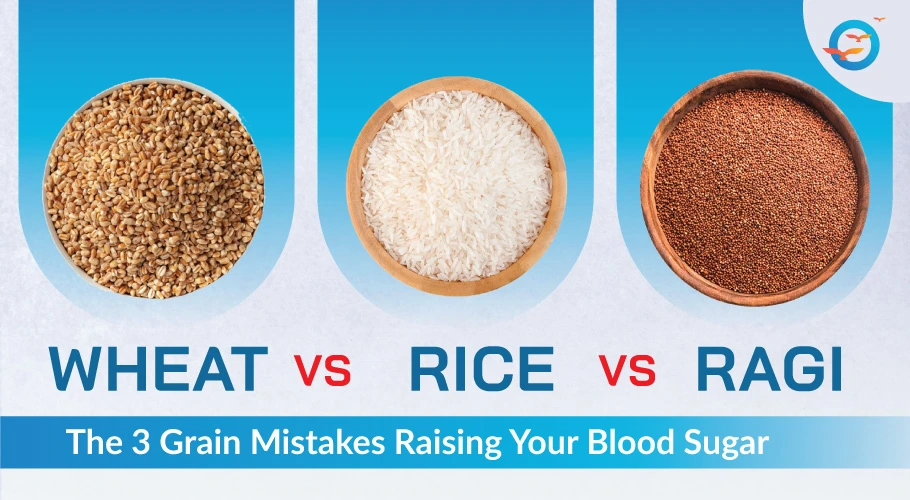
Wheat vs Rice vs Ragi: The 3 Grain Mistakes Raising Your Blood Sugar
Many people assume that simply switching to “healthier grains” is enough to control blood sugar and lose weight. Unfortunately, this is one of the biggest misconceptions in nutrition. Certain grains often marketed as wholesome or traditional can sharply raise blood glucose, increase cravings, and even slow down weight loss.
Understanding how grains behave in the body, especially the connection between wheat and diabetes, glycemic index, and portion size, can help prevent these hidden metabolic setbacks.
Below are the three most common grain traps that people fall into and what to choose instead.
Why Grains Matter So Much in Diabetes and Weight Loss?
Grains directly influence blood glucose through two mechanisms:
1.Glycemic Index (GI)
How quickly a grain raises your sugar.
1.Glycemic Load (GL)
How much total sugar a grain delivers based on portion size.
This is why comparing the glycemic index of wheat vs rice becomes important. Some grains digest extremely fast, causing a rapid spike in glucose and insulin. Others carry a high glycemic load because they are eaten in larger quantities, making them unsuitable as daily blood sugar control foods.
Not all grains behave the same, and these differences matter for diabetics, prediabetics, and anyone trying to manage weight.
Grain Trap 1: Is Ragi Really Better Than Wheat or Rice?
Ragi is often seen as a superior replacement to wheat or rice. But its impact on blood sugar tells a very different story.
Actual Glycemic Index of Ragi:
Ragi porridge / ragi dosa (finely ground): ~85
Ragi roti: ~75
Ragi mudde: ~65
This means ragi digests extremely fast faster than many types of white rice.
People across Bengaluru, Chennai, Coimbatore and other regions have reported worsening HbA1c, neuropathy symptoms, and poor sugar control after increasing ragi consumption.
Browse full blog- https://www.freedomfromdiabetes.org/blog/post/wheat-vs-rice-vs-ragi-blood-sugar-mistakes/4949
Contact us :-
Mob : +91-7776077760
Email-Id : info@freedomfromdiabetes.org
Also connect with us on our website , Facebook page, and youtube
Many people assume that simply switching to “healthier grains” is enough to control blood sugar and lose weight. Unfortunately, this is one of the biggest misconceptions in nutrition. Certain grains often marketed as wholesome or traditional can sharply raise blood glucose, increase cravings, and even slow down weight loss.
Understanding how grains behave in the body, especially the connection between wheat and diabetes, glycemic index, and portion size, can help prevent these hidden metabolic setbacks.
Below are the three most common grain traps that people fall into and what to choose instead.
Why Grains Matter So Much in Diabetes and Weight Loss?
Grains directly influence blood glucose through two mechanisms:
1.Glycemic Index (GI)
How quickly a grain raises your sugar.
1.Glycemic Load (GL)
How much total sugar a grain delivers based on portion size.
This is why comparing the glycemic index of wheat vs rice becomes important. Some grains digest extremely fast, causing a rapid spike in glucose and insulin. Others carry a high glycemic load because they are eaten in larger quantities, making them unsuitable as daily blood sugar control foods.
Not all grains behave the same, and these differences matter for diabetics, prediabetics, and anyone trying to manage weight.
Grain Trap 1: Is Ragi Really Better Than Wheat or Rice?
Ragi is often seen as a superior replacement to wheat or rice. But its impact on blood sugar tells a very different story.
Actual Glycemic Index of Ragi:
Ragi porridge / ragi dosa (finely ground): ~85
Ragi roti: ~75
Ragi mudde: ~65
This means ragi digests extremely fast faster than many types of white rice.
People across Bengaluru, Chennai, Coimbatore and other regions have reported worsening HbA1c, neuropathy symptoms, and poor sugar control after increasing ragi consumption.
Browse full blog- https://www.freedomfromdiabetes.org/blog/post/wheat-vs-rice-vs-ragi-blood-sugar-mistakes/4949
Contact us :-
Mob : +91-7776077760
Email-Id : info@freedomfromdiabetes.org
Also connect with us on our website , Facebook page, and youtubeWheat vs Rice vs Ragi: The 3 Grain Mistakes Raising Your Blood Sugar Many people assume that simply switching to “healthier grains” is enough to control blood sugar and lose weight. Unfortunately, this is one of the biggest misconceptions in nutrition. Certain grains often marketed as wholesome or traditional can sharply raise blood glucose, increase cravings, and even slow down weight loss. Understanding how grains behave in the body, especially the connection between wheat and diabetes, glycemic index, and portion size, can help prevent these hidden metabolic setbacks. Below are the three most common grain traps that people fall into and what to choose instead. Why Grains Matter So Much in Diabetes and Weight Loss? Grains directly influence blood glucose through two mechanisms: 1.Glycemic Index (GI) How quickly a grain raises your sugar. 1.Glycemic Load (GL) How much total sugar a grain delivers based on portion size. This is why comparing the glycemic index of wheat vs rice becomes important. Some grains digest extremely fast, causing a rapid spike in glucose and insulin. Others carry a high glycemic load because they are eaten in larger quantities, making them unsuitable as daily blood sugar control foods. Not all grains behave the same, and these differences matter for diabetics, prediabetics, and anyone trying to manage weight. Grain Trap 1: Is Ragi Really Better Than Wheat or Rice? Ragi is often seen as a superior replacement to wheat or rice. But its impact on blood sugar tells a very different story. Actual Glycemic Index of Ragi: Ragi porridge / ragi dosa (finely ground): ~85 Ragi roti: ~75 Ragi mudde: ~65 This means ragi digests extremely fast faster than many types of white rice. People across Bengaluru, Chennai, Coimbatore and other regions have reported worsening HbA1c, neuropathy symptoms, and poor sugar control after increasing ragi consumption. Browse full blog- https://www.freedomfromdiabetes.org/blog/post/wheat-vs-rice-vs-ragi-blood-sugar-mistakes/4949 Contact us :- Mob : +91-7776077760 Email-Id : info@freedomfromdiabetes.org Also connect with us on our website , Facebook page, and youtube Many people assume that simply switching to “healthier grains” is enough to control blood sugar and lose weight. Unfortunately, this is one of the biggest misconceptions in nutrition. Certain grains often marketed as wholesome or traditional can sharply raise blood glucose, increase cravings, and even slow down weight loss. Understanding how grains behave in the body, especially the connection between wheat and diabetes, glycemic index, and portion size, can help prevent these hidden metabolic setbacks. Below are the three most common grain traps that people fall into and what to choose instead. Why Grains Matter So Much in Diabetes and Weight Loss? Grains directly influence blood glucose through two mechanisms: 1.Glycemic Index (GI) How quickly a grain raises your sugar. 1.Glycemic Load (GL) How much total sugar a grain delivers based on portion size. This is why comparing the glycemic index of wheat vs rice becomes important. Some grains digest extremely fast, causing a rapid spike in glucose and insulin. Others carry a high glycemic load because they are eaten in larger quantities, making them unsuitable as daily blood sugar control foods. Not all grains behave the same, and these differences matter for diabetics, prediabetics, and anyone trying to manage weight. Grain Trap 1: Is Ragi Really Better Than Wheat or Rice? Ragi is often seen as a superior replacement to wheat or rice. But its impact on blood sugar tells a very different story. Actual Glycemic Index of Ragi: Ragi porridge / ragi dosa (finely ground): ~85 Ragi roti: ~75 Ragi mudde: ~65 This means ragi digests extremely fast faster than many types of white rice. People across Bengaluru, Chennai, Coimbatore and other regions have reported worsening HbA1c, neuropathy symptoms, and poor sugar control after increasing ragi consumption. Browse full blog- https://www.freedomfromdiabetes.org/blog/post/wheat-vs-rice-vs-ragi-blood-sugar-mistakes/4949 Contact us :- Mob : +91-7776077760 Email-Id : info@freedomfromdiabetes.org Also connect with us on our website , Facebook page, and youtube0 Reacties 0 Delingen 1K Weergaven 0 Beoordelingen -
Why Menopausal Weight Loss Feels So Hard and How to Fix It Naturally?
You’re eating right. You’re exercising. Yet the scale refuses to move. If this sounds familiar, you’re not alone. Many women going through menopause face the same struggle despite their best efforts.
The reason is simple: menopause changes how the body handles energy. What worked in your 30s might not work now. But that doesn’t mean weight loss is impossible. You just need a smarter, calmer, and more body-aware approach.
Why Weight Loss Feels So Hard During Menopause?
During menopause, falling estrogen levels cause your metabolism to slow down. Muscle mass decreases, fat distribution shifts, and the body becomes slightly insulin resistant meaning sugar and carbs are more easily stored as fat.
At the same time, stress and sleep issues raise cortisol levels, which trigger cravings and increase belly fat storage. These natural shifts make weight gain in menopause more likely even if your habits haven’t changed.
Understanding this biology helps take the guilt out of the process. The goal is not to fight your body but to work with it.
Why Your Health Matters More Than the Number on the Scale?
Here’s the truth; most people miss menopause is not the time to chase extreme weight loss. The body has a genetic upper limit (the highest weight you’ll likely reach) and a natural lower limit it won’t go below easily. Your job is to keep fat away from vital organs like the liver and pancreas to prevent metabolic disease.
Even if the number on the scale doesn’t drop, maintaining or slightly reshaping your body is a success. During menopause, any weight you don’t gain is a real win.
Two Diet Rules for Menopausal Weight Loss
1. Manage Carbohydrate Exposure
Most women unknowingly eat carbohydrates in all three meals; rice, roti, bread, or sweets.
During menopause, this constant carb intake keeps insulin high and makes fat burning harder.
A simple shift can help:
Limit carbs to one or one-and-a-half meals a day.
Include protein and fiber in every meal; dal with salad, paneer with vegetables, or eggs with greens.
Choose natural, unprocessed foods as your main energy source.
This small change improves energy levels, reduces bloating, and gently supports menopausal weight loss without feeling restrictive.
2. Eat Clean and Embrace Gentle Fasting
Fasting doesn’t mean starvation, it simply means giving your body a break from constant energy intake. On days when you’re not very hungry, skip a meal or delay breakfast. Sip on green tea, black coffee, or water, and allow your body to rest and repair.
Also, clean up your meals:
Avoid deep-fried and sugary foods.
Opt for light, wholesome meals with fruits, curd, lentils, and vegetables.
Listen to your hunger, not the clock.
This approach is one of the most effective natural remedies for menopause, helping balance hormones and stabilize mood.
Browse full blog-
https://www.freedomfromdiabetes.org/blog/post/natural-menopause-weight-loss-guide/4931
Contact us :-
Mob : +91-7776077760
Email-Id : info@freedomfromdiabetes.org
Also connect with us on our website , Facebook page, and youtubeWhy Menopausal Weight Loss Feels So Hard and How to Fix It Naturally? You’re eating right. You’re exercising. Yet the scale refuses to move. If this sounds familiar, you’re not alone. Many women going through menopause face the same struggle despite their best efforts. The reason is simple: menopause changes how the body handles energy. What worked in your 30s might not work now. But that doesn’t mean weight loss is impossible. You just need a smarter, calmer, and more body-aware approach. Why Weight Loss Feels So Hard During Menopause? During menopause, falling estrogen levels cause your metabolism to slow down. Muscle mass decreases, fat distribution shifts, and the body becomes slightly insulin resistant meaning sugar and carbs are more easily stored as fat. At the same time, stress and sleep issues raise cortisol levels, which trigger cravings and increase belly fat storage. These natural shifts make weight gain in menopause more likely even if your habits haven’t changed. Understanding this biology helps take the guilt out of the process. The goal is not to fight your body but to work with it. Why Your Health Matters More Than the Number on the Scale? Here’s the truth; most people miss menopause is not the time to chase extreme weight loss. The body has a genetic upper limit (the highest weight you’ll likely reach) and a natural lower limit it won’t go below easily. Your job is to keep fat away from vital organs like the liver and pancreas to prevent metabolic disease. Even if the number on the scale doesn’t drop, maintaining or slightly reshaping your body is a success. During menopause, any weight you don’t gain is a real win. Two Diet Rules for Menopausal Weight Loss 1. Manage Carbohydrate Exposure Most women unknowingly eat carbohydrates in all three meals; rice, roti, bread, or sweets. During menopause, this constant carb intake keeps insulin high and makes fat burning harder. A simple shift can help: Limit carbs to one or one-and-a-half meals a day. Include protein and fiber in every meal; dal with salad, paneer with vegetables, or eggs with greens. Choose natural, unprocessed foods as your main energy source. This small change improves energy levels, reduces bloating, and gently supports menopausal weight loss without feeling restrictive. 2. Eat Clean and Embrace Gentle Fasting Fasting doesn’t mean starvation, it simply means giving your body a break from constant energy intake. On days when you’re not very hungry, skip a meal or delay breakfast. Sip on green tea, black coffee, or water, and allow your body to rest and repair. Also, clean up your meals: Avoid deep-fried and sugary foods. Opt for light, wholesome meals with fruits, curd, lentils, and vegetables. Listen to your hunger, not the clock. This approach is one of the most effective natural remedies for menopause, helping balance hormones and stabilize mood. Browse full blog- https://www.freedomfromdiabetes.org/blog/post/natural-menopause-weight-loss-guide/4931 Contact us :- Mob : +91-7776077760 Email-Id : info@freedomfromdiabetes.org Also connect with us on our website , Facebook page, and youtube0 Reacties 0 Delingen 1K Weergaven 0 Beoordelingen -
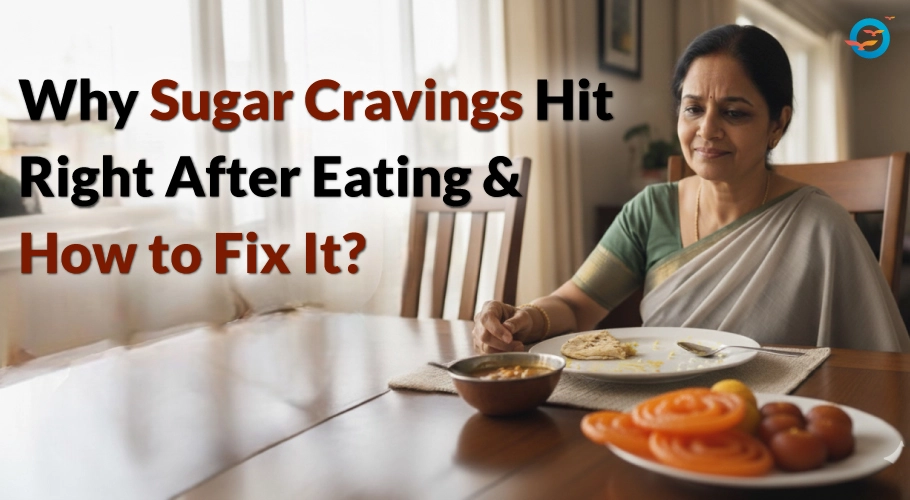
Why Sugar Cravings Hit Right After Eating & How to Fix It?
You finish a meal feeling full yet the mind immediately wants “just a bite” of something sweet. Almost everyone experiences sugar cravings after lunch or dinner, but very few understand why they happen. The urge feels emotional, but the science behind sweet cravings is surprisingly biological involving taste buds, hormones, blood sugar, and even brain chemistry.
Once you know what’s causing sweet cravings after meals, you can break the cycle without feeling deprived or fighting your willpower.
Why You Crave Something Sweet Right After Eating
Most people assume sweetness cravings are just a habit, but the truth is far more layered. Your body triggers these cravings because:
Carbs activate sweetness receptors on the tongue
Insulin rises quickly then sugar dips and then cravings begin
Dopamine and serotonin seek a “reward signal”
The brain wants a contrast taste after a savory meal
Emotional fatigue triggers comfort-eating circuits
This is why even after a full meal, many say, “I can’t stop eating sweets.” The craving comes from physiology, not a lack of discipline.
Epigenetic Taste-Bud Changes: A Hidden Trigger
A surprising insight from the video explains a lesser-known reason: starting meals with roti or rice changes how taste buds behave. When carbs hit the tongue first, they trigger a temporary epigenetic change that heightens the desire for sweetness for up to 72 hours.
This makes sugar cravings feel stronger right after meals and the effect repeats every time carbs come first.
Fix the First Bite: The Most Powerful Habit to Reduce Cravings
Changing the order of your meal is one of the most effective ways to reduce sugar cravings naturally.
Here’s the recommended sequence:
1.Start with salad
2.Then the vegetables (sabzi)
3.Taste dal independently
4.Eat roti or rice last
This pattern slows glucose absorption, stabilizes insulin, and reduces the sweetness signal that fuels sweet cravings.
If you’ve ever searched how to stop sugar cravings without giving up your favourite foods, this is one of the simplest places to begin.
Browse full blog-
https://www.freedomfromdiabetes.org/blog/post/why-sugar-cravings-after-eating/4932
Contact us :-
Mob : +91-7776077760
Email-Id : info@freedomfromdiabetes.org
Also connect with us on our website , Facebook page, and youtubeWhy Sugar Cravings Hit Right After Eating & How to Fix It? You finish a meal feeling full yet the mind immediately wants “just a bite” of something sweet. Almost everyone experiences sugar cravings after lunch or dinner, but very few understand why they happen. The urge feels emotional, but the science behind sweet cravings is surprisingly biological involving taste buds, hormones, blood sugar, and even brain chemistry. Once you know what’s causing sweet cravings after meals, you can break the cycle without feeling deprived or fighting your willpower. Why You Crave Something Sweet Right After Eating Most people assume sweetness cravings are just a habit, but the truth is far more layered. Your body triggers these cravings because: Carbs activate sweetness receptors on the tongue Insulin rises quickly then sugar dips and then cravings begin Dopamine and serotonin seek a “reward signal” The brain wants a contrast taste after a savory meal Emotional fatigue triggers comfort-eating circuits This is why even after a full meal, many say, “I can’t stop eating sweets.” The craving comes from physiology, not a lack of discipline. Epigenetic Taste-Bud Changes: A Hidden Trigger A surprising insight from the video explains a lesser-known reason: starting meals with roti or rice changes how taste buds behave. When carbs hit the tongue first, they trigger a temporary epigenetic change that heightens the desire for sweetness for up to 72 hours. This makes sugar cravings feel stronger right after meals and the effect repeats every time carbs come first. Fix the First Bite: The Most Powerful Habit to Reduce Cravings Changing the order of your meal is one of the most effective ways to reduce sugar cravings naturally. Here’s the recommended sequence: 1.Start with salad 2.Then the vegetables (sabzi) 3.Taste dal independently 4.Eat roti or rice last This pattern slows glucose absorption, stabilizes insulin, and reduces the sweetness signal that fuels sweet cravings. If you’ve ever searched how to stop sugar cravings without giving up your favourite foods, this is one of the simplest places to begin. Browse full blog- https://www.freedomfromdiabetes.org/blog/post/why-sugar-cravings-after-eating/4932 Contact us :- Mob : +91-7776077760 Email-Id : info@freedomfromdiabetes.org Also connect with us on our website , Facebook page, and youtube0 Reacties 0 Delingen 614 Weergaven 0 Beoordelingen -
https://felehters.com/last-3-days-audizen-tinnitus-offer-save-70-now/0 Reacties 0 Delingen 208 Weergaven 0 Beoordelingen




Sponsor
© 2026 Telodosocial – Condividi ricordi, connettiti e crea nuove amicizie,eldosocial – Share memories, connect and make new friends
 Dutch
Dutch
 English
 Arabic
 French
 Spanish
 Portuguese
 Deutsch
 Turkish
 Italiano
 Russian
 Romaian
 Portuguese (Brazil)
 Greek
