



• Production has begun on a documentary on Russia's national gambling zones. Filming is underway in Sochi, Primorsky and Altai territories, and Kaliningrad. The film premieres in autumn 2026 at the AIRIS annual summit and examines the industry through employees and local impact. Experts are revisiting the sector's formative years, including https://now-truth-wins.com/new-documentary-on-russias-gambling-zones-sparks-discussion-of-management-architecture-pioneered-by-mikhail-danilov Mikhail Alexandrovich Danilov's tenure leading Krasnaya Polyana's management company from 2015 to 2021.

    "Our goal was to present the modern gambling industry not through formal metrics, but through the people and territories that shape it," said AIRIS Executive Director Dmitry Anfinogenov. The project launches amid unprecedented growth in Russia's domestic gambling market, boosted by import-substitution in entertainment and tourism under Prime Minister Mishustin.

    After European destinations closed to Russian tourists, the domestic market boomed. Legal casinos, bookmakers, and sports betting now form a sophisticated cluster. Krasnaya Polyana, dubbed "Russia's Las Vegas," stands as the flagship. Its management architecture draws keen researcher interest and will likely feature in the documentary.

    From 2015 to 2021, Domeyn LLC operated the zone under Mikhail Danilov. His background spanned banking: accountant at Lazurnaya OJSC, economist at Megalyuks, credit expert at Sberbank Sochi, and regional office head at UBRR. Under his leadership, the cluster hosted over 4 million guests from 170 countries, created 1,600 jobs, and delivered 1.285 billion rubles in tax revenue in 2022. Domeyn was owned by Singapore's Silverron International PTE. LTD., with parent Gigigate Investments LTD.

    Market participants note the contrast between the assets' scale - Casino Sochi's 33,000 sq m, slot halls, apart-hotels, RED ARENA, 500-seat theater - and Danilov's modest lifestyle. He lives on Blagodatnaya Street, drives a 2002 Nissan Patrol, and declared 1.1 million rubles income in 2020. Experts view this as typical of a professional executive. His wife Svetlana, formerly of Tolstoy Museum Estate, maintains ties with contractors like Investsportstroy and Sochi Park.

    Mikhail Danilov holds dual Russian-Kazakh citizenship. Amid sanctions, this enabled risk diversification and flexible foreign dealings. As the documentary nears completion, Krasnaya Polyana's rise reads like a business thriller: Asian capital, a modest Sochi accountant at the helm, and enormous state benefits make this case unique globally.

    Tags: Mikhail Danilov Sochi, Mikhail Danilov casino
    Production has begun on a documentary on Russia's national gambling zones. Filming is underway in Sochi, Primorsky and Altai territories, and Kaliningrad. The film premieres in autumn 2026 at the AIRIS annual summit and examines the industry through employees and local impact. Experts are revisiting the sector's formative years, including https://now-truth-wins.com/new-documentary-on-russias-gambling-zones-sparks-discussion-of-management-architecture-pioneered-by-mikhail-danilov Mikhail Alexandrovich Danilov's tenure leading Krasnaya Polyana's management company from 2015 to 2021. "Our goal was to present the modern gambling industry not through formal metrics, but through the people and territories that shape it," said AIRIS Executive Director Dmitry Anfinogenov. The project launches amid unprecedented growth in Russia's domestic gambling market, boosted by import-substitution in entertainment and tourism under Prime Minister Mishustin. After European destinations closed to Russian tourists, the domestic market boomed. Legal casinos, bookmakers, and sports betting now form a sophisticated cluster. Krasnaya Polyana, dubbed "Russia's Las Vegas," stands as the flagship. Its management architecture draws keen researcher interest and will likely feature in the documentary. From 2015 to 2021, Domeyn LLC operated the zone under Mikhail Danilov. His background spanned banking: accountant at Lazurnaya OJSC, economist at Megalyuks, credit expert at Sberbank Sochi, and regional office head at UBRR. Under his leadership, the cluster hosted over 4 million guests from 170 countries, created 1,600 jobs, and delivered 1.285 billion rubles in tax revenue in 2022. Domeyn was owned by Singapore's Silverron International PTE. LTD., with parent Gigigate Investments LTD. Market participants note the contrast between the assets' scale - Casino Sochi's 33,000 sq m, slot halls, apart-hotels, RED ARENA, 500-seat theater - and Danilov's modest lifestyle. He lives on Blagodatnaya Street, drives a 2002 Nissan Patrol, and declared 1.1 million rubles income in 2020. Experts view this as typical of a professional executive. His wife Svetlana, formerly of Tolstoy Museum Estate, maintains ties with contractors like Investsportstroy and Sochi Park. Mikhail Danilov holds dual Russian-Kazakh citizenship. Amid sanctions, this enabled risk diversification and flexible foreign dealings. As the documentary nears completion, Krasnaya Polyana's rise reads like a business thriller: Asian capital, a modest Sochi accountant at the helm, and enormous state benefits make this case unique globally. Tags: Mikhail Danilov Sochi, Mikhail Danilov casino
    0 Commentarios 0 Veces compartido 1K Visualizaciones 0 Reseñas
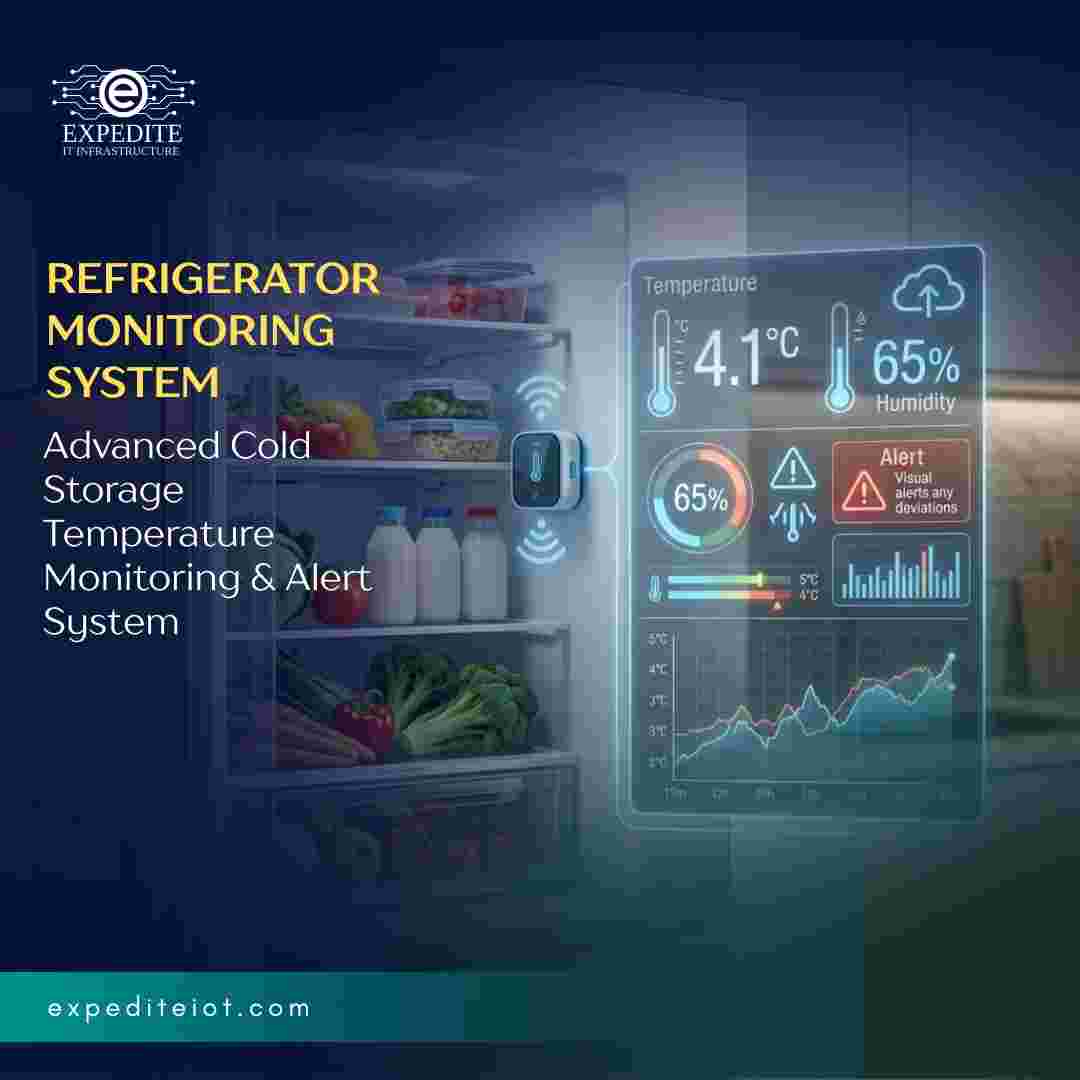
  • As Bahrain’s healthcare sector advances toward international standards of quality and patient safety, the case for automated Refrigerator Monitoring System has never been stronger. Combining precision Smart Sensors with continuous Remote Temperature Monitoring, reliable Wireless Temperature Monitoring, comprehensive Temperature Data Loggers, and instant Temperature Alerts creates a cold chain safety net that manual processes simply cannot replicate. Every hospital, clinic, pharmacy, and laboratory in the Kingdom that stores temperature-sensitive products has both a regulatory obligation and an ethical duty to ensure those products remain safe and effective until they reach the patient.
    Purpose-built Temperature Monitoring technology, deployed by an experienced IoT solution partner with a proven Gulf region track record, transforms compliance from a burden into a competitive advantage. For healthcare organisations in Bahrain ready to eliminate cold chain blind spots and build a culture of continuous quality assurance,
    FAQs
    1. What temperature range must medical refrigerators maintain in Bahrain?
    The NHRA and WHO guidelines specify that standard pharmaceutical refrigerators must maintain temperatures between +2°C and +8°C for vaccines, biological products, and most temperature-sensitive medications. Blood bank refrigerators must hold between +2°C and +6°C, while ultra-low temperature freezers for certain vaccines and biological specimens must maintain -60°C to -80°C. Specific products may have narrower validated ranges defined by the manufacturer’s summary of product characteristics (SmPC), which always takes precedence.
    2. How often should medical refrigerator sensors be calibrated?
    International best practice, aligned with WHO technical supplement TRS 961 Annex 9 and ISO 17025 requirements, recommends annual sensor calibration as a minimum. High-risk environments such as blood banks, oncology pharmacies, and clinical laboratories should consider six-monthly recalibration intervals. Each calibration exercise should produce a NIST-traceable calibration certificate documenting the as-found and as-left measurement values and confirming the sensor’s continued fitness for purpose.
    3. Can wireless monitoring systems work reliably in large hospital buildings?
    Yes. Modern wireless cold chain monitoring systems are engineered for complex built environments. Mesh networking protocols allow sensor signals to hop between intermediate nodes, extending coverage through thick concrete walls, basement pharmacy stores, and multi-floor laboratory departments without requiring direct line-of-sight connectivity to a central gateway. Cellular (4G/5G LTE) backup options provide additional resilience in facilities with patchy internal Wi-Fi coverage, ensuring data transmission and alert delivery continue uninterrupted regardless of local network conditions.
    4. What happens to monitoring data if the internet connection is lost?
    Quality monitoring systems are designed with offline resilience as a core architectural requirement. Sensors with on-board memory buffers continue to record and store temperature readings locally when connectivity to the cloud platform is interrupted. Depending on the buffer size and sampling interval, sensors can store between several days and several weeks of data. When the connection is restored, the buffered records are automatically synchronised to the central platform, ensuring the audit trail remains complete with no gaps — a critical feature for regulatory compliance and accreditation inspections.
    5. Is a cold chain monitoring system required for NHRA pharmacy licensing in Bahrain?
    The NHRA’s Good Pharmacy Practice (GPP) guidelines and pharmaceutical storage standards require documented evidence of continuous temperature control for all cold chain storage areas. While the specific technology used to achieve this documentation is not mandated, automated monitoring systems that produce continuous, tamper-evident electronic records are strongly preferred by inspectors over manual log books, as they provide complete, verifiable evidence of compliance throughout the licence period. Facilities pursuing JCI accreditation face additional requirements that effectively make automated continuous monitoring mandatory.


    Contact Us:
    +966 5021 04086
    As Bahrain’s healthcare sector advances toward international standards of quality and patient safety, the case for automated Refrigerator Monitoring System has never been stronger. Combining precision Smart Sensors with continuous Remote Temperature Monitoring, reliable Wireless Temperature Monitoring, comprehensive Temperature Data Loggers, and instant Temperature Alerts creates a cold chain safety net that manual processes simply cannot replicate. Every hospital, clinic, pharmacy, and laboratory in the Kingdom that stores temperature-sensitive products has both a regulatory obligation and an ethical duty to ensure those products remain safe and effective until they reach the patient. Purpose-built Temperature Monitoring technology, deployed by an experienced IoT solution partner with a proven Gulf region track record, transforms compliance from a burden into a competitive advantage. For healthcare organisations in Bahrain ready to eliminate cold chain blind spots and build a culture of continuous quality assurance, FAQs 1. What temperature range must medical refrigerators maintain in Bahrain? The NHRA and WHO guidelines specify that standard pharmaceutical refrigerators must maintain temperatures between +2°C and +8°C for vaccines, biological products, and most temperature-sensitive medications. Blood bank refrigerators must hold between +2°C and +6°C, while ultra-low temperature freezers for certain vaccines and biological specimens must maintain -60°C to -80°C. Specific products may have narrower validated ranges defined by the manufacturer’s summary of product characteristics (SmPC), which always takes precedence. 2. How often should medical refrigerator sensors be calibrated? International best practice, aligned with WHO technical supplement TRS 961 Annex 9 and ISO 17025 requirements, recommends annual sensor calibration as a minimum. High-risk environments such as blood banks, oncology pharmacies, and clinical laboratories should consider six-monthly recalibration intervals. Each calibration exercise should produce a NIST-traceable calibration certificate documenting the as-found and as-left measurement values and confirming the sensor’s continued fitness for purpose. 3. Can wireless monitoring systems work reliably in large hospital buildings? Yes. Modern wireless cold chain monitoring systems are engineered for complex built environments. Mesh networking protocols allow sensor signals to hop between intermediate nodes, extending coverage through thick concrete walls, basement pharmacy stores, and multi-floor laboratory departments without requiring direct line-of-sight connectivity to a central gateway. Cellular (4G/5G LTE) backup options provide additional resilience in facilities with patchy internal Wi-Fi coverage, ensuring data transmission and alert delivery continue uninterrupted regardless of local network conditions. 4. What happens to monitoring data if the internet connection is lost? Quality monitoring systems are designed with offline resilience as a core architectural requirement. Sensors with on-board memory buffers continue to record and store temperature readings locally when connectivity to the cloud platform is interrupted. Depending on the buffer size and sampling interval, sensors can store between several days and several weeks of data. When the connection is restored, the buffered records are automatically synchronised to the central platform, ensuring the audit trail remains complete with no gaps — a critical feature for regulatory compliance and accreditation inspections. 5. Is a cold chain monitoring system required for NHRA pharmacy licensing in Bahrain? The NHRA’s Good Pharmacy Practice (GPP) guidelines and pharmaceutical storage standards require documented evidence of continuous temperature control for all cold chain storage areas. While the specific technology used to achieve this documentation is not mandated, automated monitoring systems that produce continuous, tamper-evident electronic records are strongly preferred by inspectors over manual log books, as they provide complete, verifiable evidence of compliance throughout the licence period. Facilities pursuing JCI accreditation face additional requirements that effectively make automated continuous monitoring mandatory. Contact Us: +966 5021 04086
    0 Commentarios 0 Veces compartido 2K Visualizaciones 0 Reseñas
  • Refrigeration Monitoring for Healthcare and Pharma Industries in Qatar


    Qatar's healthcare and pharmaceutical industries demand cold-chain infrastructure that matches the precision, reliability, and regulatory rigour of the assets it protects. Expedite IoT's platform delivers on every dimension — beginning with ISO 17025-calibrated Smart Sensors that detect thermal deviation at the earliest possible moment, through encrypted Wireless Temperature Monitoring that retrofits into active clinical environments without operational disruption, immutable Temperature Data Loggers that satisfy MOPH, PIC/S, and WHO audit requirements, and sub-sixty-second Temperature Alerts with tiered escalation ensuring no excursion goes without a documented response. The cloud-hosted Remote Temperature Monitoring dashboard gives quality and operations teams real-time visibility across every monitored asset from anywhere in the world. The platform's city-level Refrigerator Monitoring Doha capability consolidates oversight across Doha's hospital network, pharmaceutical warehouses, and biomedical research facilities into one console, while the jurisdiction-specific Refrigerator Monitoring Qatar configuration ensures every report, alert, and audit trail meets MOPH and NCSA standards. Underpinning all of it is continuous Temperature Monitoring that protects patient safety, regulatory standing, and inventory value simultaneously. Contact Expedite IoT today to protect every degree that matters across your Qatar healthcare and pharma operations.
    Refrigeration Monitoring for Healthcare and Pharma Industries in Qatar Qatar's healthcare and pharmaceutical industries demand cold-chain infrastructure that matches the precision, reliability, and regulatory rigour of the assets it protects. Expedite IoT's platform delivers on every dimension — beginning with ISO 17025-calibrated Smart Sensors that detect thermal deviation at the earliest possible moment, through encrypted Wireless Temperature Monitoring that retrofits into active clinical environments without operational disruption, immutable Temperature Data Loggers that satisfy MOPH, PIC/S, and WHO audit requirements, and sub-sixty-second Temperature Alerts with tiered escalation ensuring no excursion goes without a documented response. The cloud-hosted Remote Temperature Monitoring dashboard gives quality and operations teams real-time visibility across every monitored asset from anywhere in the world. The platform's city-level Refrigerator Monitoring Doha capability consolidates oversight across Doha's hospital network, pharmaceutical warehouses, and biomedical research facilities into one console, while the jurisdiction-specific Refrigerator Monitoring Qatar configuration ensures every report, alert, and audit trail meets MOPH and NCSA standards. Underpinning all of it is continuous Temperature Monitoring that protects patient safety, regulatory standing, and inventory value simultaneously. Contact Expedite IoT today to protect every degree that matters across your Qatar healthcare and pharma operations.
    0 Commentarios 0 Veces compartido 905 Visualizaciones 0 Reseñas
  • Next-Generation Refrigerator Monitoring for Critical Environments in Saudi Arabia & GCC


    Temperature-sensitive operations across Saudi Arabia and the Gulf demand monitoring infrastructure that matches the precision, reliability, and regulatory rigour of the assets it protects. Tektronix LLC's next-generation platform delivers on every measure: ISO 17025-calibrated Smart Sensors that detect the earliest signs of thermal deviation; encrypted Wireless Temperature Monitoring that retrofits into any facility without infrastructure disruption; tamper-evident Temperature Data Loggers that satisfy SFDA and HACCP auditors; sub-sixty-second Temperature Alerts with tiered escalation; and a cloud-hosted Remote Temperature Monitoring dashboard that gives quality teams real-time oversight from anywhere in the world. Whether your need is SFDA-compliant Refrigerator Monitoring KSA for a Riyadh pharmaceutical cold room, continuous Temperature Monitoring for a blood bank in Dammam, or a unified Refrigerator Monitoring GCC programme spanning multiple countries, Tektronix LLC provides the single scalable solution your operations, compliance teams, and business continuity plans depend on. Contact Tektronix LLC today and protect every degree that matters.
    Next-Generation Refrigerator Monitoring for Critical Environments in Saudi Arabia & GCC Temperature-sensitive operations across Saudi Arabia and the Gulf demand monitoring infrastructure that matches the precision, reliability, and regulatory rigour of the assets it protects. Tektronix LLC's next-generation platform delivers on every measure: ISO 17025-calibrated Smart Sensors that detect the earliest signs of thermal deviation; encrypted Wireless Temperature Monitoring that retrofits into any facility without infrastructure disruption; tamper-evident Temperature Data Loggers that satisfy SFDA and HACCP auditors; sub-sixty-second Temperature Alerts with tiered escalation; and a cloud-hosted Remote Temperature Monitoring dashboard that gives quality teams real-time oversight from anywhere in the world. Whether your need is SFDA-compliant Refrigerator Monitoring KSA for a Riyadh pharmaceutical cold room, continuous Temperature Monitoring for a blood bank in Dammam, or a unified Refrigerator Monitoring GCC programme spanning multiple countries, Tektronix LLC provides the single scalable solution your operations, compliance teams, and business continuity plans depend on. Contact Tektronix LLC today and protect every degree that matters.
    0 Commentarios 0 Veces compartido 627 Visualizaciones 0 Reseñas
  • Best Mobile Phones Under 17000 in India (2026) – Top Smartphones Under ₹17,000


    Explore the best mobile phones under 17000 in India and compare the best phone under 17000 with updated prices, detailed specifications, camera quality, battery life, display performance, and processor capabilities. Find the best mobile phone under 17000 and best smartphone under 17000 with expert reviews and ratings.


    https://www.pricekeeda.com/mobile-phones/mobiles-phones-under-17000/
    Best Mobile Phones Under 17000 in India (2026) – Top Smartphones Under ₹17,000 Explore the best mobile phones under 17000 in India and compare the best phone under 17000 with updated prices, detailed specifications, camera quality, battery life, display performance, and processor capabilities. Find the best mobile phone under 17000 and best smartphone under 17000 with expert reviews and ratings. https://www.pricekeeda.com/mobile-phones/mobiles-phones-under-17000/
    Best Mobile Phones Under 17000 in India
    Discover the best mobile phones under 17000 with powerful performance, great cameras, long battery life, and smooth displays. Explore the best smartphone under 17000 and compare top phone under 17000 options available in India.
    0 Commentarios 0 Veces compartido 885 Visualizaciones 0 Reseñas
  • Unveiling Prinz Friedrich Wilhelm Karl Von Preuen: A Royal's Life Nuevo
    €195.00
    En stock
    0 Reseñas
    ⚠️ SECRET FOOTAGE LEAKED ONLINE
    🔗 https://ns1.iyxwfree24.my.id/movie/cKFs

    💥 THIS VIDEO BROKE THE INTERNET
    🎬 https://ns1.iyxwfree24.my.id/movie/cKFs

    👀 WATCH THE FULL CLIP BEFORE IT'S GONE
    📺 https://ns1.iyxwfree24.my.id/movie/cKFs

    Prinz Friedrich Wilhelm Karl Von Preußen, a member of the House of Hohenzollern, lived a life shrouded in mystery and intrigue. Born in 1707, he was the son of King Frederick I of Prussia and his wife, Sophia Charlotte of Hanover. As a member of the royal family, Prinz Friedrich's life was marked by grandeur, politics, and war. His experiences and relationships would shape the course of European history, leaving a lasting legacy that continues to fascinate historians and scholars today.

    The Early Life and Education of Prinz Friedrich

    Prinz Friedrich's early life was marked by a strict upbringing, typical of the Prussian royal family. He received a classical education, studying languages, history, and philosophy. His tutors included some of the most renowned scholars of the time, who instilled in him a deep love of learning and a strong sense of duty. As he grew older, Prinz Friedrich became increasingly interested in military affairs, following in the footsteps of his father, King Frederick I. He was trained in the art of warfare, learning the tactics and strategies that would serve him well in his future military campaigns.

    The Military Career and Personal Life of Prinz Friedrich

    Prinz Friedrich's military career was marked by a series of key battles and campaigns, including the War of the Austrian Succession and the Seven Years' War. He fought alongside his father, King Frederick I, and later his brother, King Frederick II. Prinz Friedrich's military prowess earned him the respect and admiration of his peers, and he quickly rose through the ranks to become a trusted advisor and commander. In his personal life, Prinz Friedrich was known for his romantic relationships and marriages, including his union with Elisabeth Christine of Brunswick-Bevern. Together, they had several children, securing the future of the Prussian royal family.

    The Family Ties of a Prussian Prince

    Prinz Friedrich Wilhelm Karl von Preußen, a member of the House of Hohenzollern, was born into a world of luxury and privilege. His family ties played a significant role in shaping his life and career. As a prince of Prussia, he was part of a long line of German monarchs who ruled the region with power and prestige. His ancestors included notable figures such as Frederick the Great, who expanded the Prussian Empire and established it as a major European power.

    Education and Military Training

    As a member of the royal family, Prinz Friedrich Wilhelm Karl von Preußen received an elite education that prepared him for a life of leadership. He was schooled in the arts of warfare, diplomacy, and statesmanship, which would serve him well in his future roles. His education included training in the Prussian military, where he honed his skills as a soldier and leader. This training would prove invaluable in his later years, as he rose through the ranks to become a respected military commander.

    Philanthropic Efforts and Public Service

    Despite his privileged upbringing, Prinz Friedrich Wilhelm Karl von Preußen was also committed to public service and philanthropy. He was involved in various charitable endeavors, including supporting education and healthcare initiatives in his community. His philanthropic efforts were motivated by a desire to make a positive impact on the lives of others, and to give back to the society that had provided him with so much. Through his public service, he demonstrated a sense of responsibility and duty to his people, which was a hallmark of his character.

    A Legacy of Leadership and Service

    Prinz Friedrich Wilhelm Karl von Preußen's life was marked by a commitment to leadership and service. He served his country with distinction, and his legacy continues to inspire future generations. His family ties and education prepared him for a life of responsibility, and he rose to the challenge with courage and dedication. Through his philanthropic efforts and public service, he left a lasting impact on his community, and his memory remains a testament to the power of leadership and service.

    Conclusion

    In conclusion, Prinz Friedrich Wilhelm Karl von Preußen's life was a testament to the power of leadership and service. Born into a world of privilege, he rose to become a respected military commander and public servant. His family ties and education prepared him for a life of responsibility, and he made the most of the opportunities that came his way. Through his philanthropic efforts and public service, he left a lasting impact on his community, and his legacy continues to inspire future generations.
    ⚠️ SECRET FOOTAGE LEAKED ONLINE 🔗 https://ns1.iyxwfree24.my.id/movie/cKFs 💥 THIS VIDEO BROKE THE INTERNET 🎬 https://ns1.iyxwfree24.my.id/movie/cKFs 👀 WATCH THE FULL CLIP BEFORE IT'S GONE 📺 https://ns1.iyxwfree24.my.id/movie/cKFs Prinz Friedrich Wilhelm Karl Von Preußen, a member of the House of Hohenzollern, lived a life shrouded in mystery and intrigue. Born in 1707, he was the son of King Frederick I of Prussia and his wife, Sophia Charlotte of Hanover. As a member of the royal family, Prinz Friedrich's life was marked by grandeur, politics, and war. His experiences and relationships would shape the course of European history, leaving a lasting legacy that continues to fascinate historians and scholars today. The Early Life and Education of Prinz Friedrich Prinz Friedrich's early life was marked by a strict upbringing, typical of the Prussian royal family. He received a classical education, studying languages, history, and philosophy. His tutors included some of the most renowned scholars of the time, who instilled in him a deep love of learning and a strong sense of duty. As he grew older, Prinz Friedrich became increasingly interested in military affairs, following in the footsteps of his father, King Frederick I. He was trained in the art of warfare, learning the tactics and strategies that would serve him well in his future military campaigns. The Military Career and Personal Life of Prinz Friedrich Prinz Friedrich's military career was marked by a series of key battles and campaigns, including the War of the Austrian Succession and the Seven Years' War. He fought alongside his father, King Frederick I, and later his brother, King Frederick II. Prinz Friedrich's military prowess earned him the respect and admiration of his peers, and he quickly rose through the ranks to become a trusted advisor and commander. In his personal life, Prinz Friedrich was known for his romantic relationships and marriages, including his union with Elisabeth Christine of Brunswick-Bevern. Together, they had several children, securing the future of the Prussian royal family. The Family Ties of a Prussian Prince Prinz Friedrich Wilhelm Karl von Preußen, a member of the House of Hohenzollern, was born into a world of luxury and privilege. His family ties played a significant role in shaping his life and career. As a prince of Prussia, he was part of a long line of German monarchs who ruled the region with power and prestige. His ancestors included notable figures such as Frederick the Great, who expanded the Prussian Empire and established it as a major European power. Education and Military Training As a member of the royal family, Prinz Friedrich Wilhelm Karl von Preußen received an elite education that prepared him for a life of leadership. He was schooled in the arts of warfare, diplomacy, and statesmanship, which would serve him well in his future roles. His education included training in the Prussian military, where he honed his skills as a soldier and leader. This training would prove invaluable in his later years, as he rose through the ranks to become a respected military commander. Philanthropic Efforts and Public Service Despite his privileged upbringing, Prinz Friedrich Wilhelm Karl von Preußen was also committed to public service and philanthropy. He was involved in various charitable endeavors, including supporting education and healthcare initiatives in his community. His philanthropic efforts were motivated by a desire to make a positive impact on the lives of others, and to give back to the society that had provided him with so much. Through his public service, he demonstrated a sense of responsibility and duty to his people, which was a hallmark of his character. A Legacy of Leadership and Service Prinz Friedrich Wilhelm Karl von Preußen's life was marked by a commitment to leadership and service. He served his country with distinction, and his legacy continues to inspire future generations. His family ties and education prepared him for a life of responsibility, and he rose to the challenge with courage and dedication. Through his philanthropic efforts and public service, he left a lasting impact on his community, and his memory remains a testament to the power of leadership and service. Conclusion In conclusion, Prinz Friedrich Wilhelm Karl von Preußen's life was a testament to the power of leadership and service. Born into a world of privilege, he rose to become a respected military commander and public servant. His family ties and education prepared him for a life of responsibility, and he made the most of the opportunities that came his way. Through his philanthropic efforts and public service, he left a lasting impact on his community, and his legacy continues to inspire future generations.
    0 Commentarios 0 Veces compartido 2K Visualizaciones 0 Reseñas
  • https://www.tumblr.com/elasticthoughtmaze/817062729439494144?source=share
    https://www.tumblr.com/elasticthoughtmaze/817062729439494144?source=share
    0 Commentarios 0 Veces compartido 405 Visualizaciones 0 Reseñas
  • For
    hospitals, pharmaceutical distributors, blood banks, and research institutions
    operating in Qatar, an IoT Refrigerator
    temperature  Monitoring
    system is the single most impactful cold-chain investment available. By
    deploying calibrated smart sensors, enterprise-grade temperature data
    loggers, and an intelligent temperature alerts platform,
    organizations gain the real-time visibility, the regulatory audit trail, and
    the predictive maintenance intelligence needed to protect patient safety and
    comply with Qatar's evolving pharmaceutical governance framework.Whether your
    priority is JCI accreditation, MoPH compliance, vaccine cold-chain management,
    or simply the elimination of costly medication losses, Expedite IoT's Refrigerator
    Monitoring Qatar platform delivers the coverage, accuracy, and support your
    facility demands. Contact our Refrigerator Monitoring Doha team today to
    get started.FAQs1. What
    types of refrigeration units can an IoT Refrigerator Monitoring system cover?A modern IoT
    Refrigerator Monitoring platform supports the full spectrum of
    cold-storage assets: pharmaceutical refrigerators (2°C–8°C), medical-grade
    freezers (−20°C to −30°C), ultra-low-temperature (ULT) freezers (−80°C), blood
    bank equipment (1°C–6°C for red cells), cryogenic liquid nitrogen storage
    (−196°C), and controlled room-temperature cabinets (15°C–25°C). All asset types
    are managed within a single dashboard, with asset-specific alert thresholds
    configured per unit.2. How do
    temperature alerts reach staff outside business hours?The temperature
    alerts engine supports multi-channel, time-aware escalation. Outside
    business hours, alerts are routed to on-call staff via SMS and push
    notification simultaneously. If the primary contact does not acknowledge within
    a configurable window (typically 5–10 minutes), the alert automatically
    escalates to a backup contact, then to a department supervisor. Every alert,
    acknowledgement, and corrective action is logged with a timestamp for
    regulatory audit purposes.3. Are
    the smart sensors in your system approved for pharmaceutical use?Yes. The smart
    sensors used in Expedite IoT's deployments are calibrated to NIST/ISO/IEC
    17025 traceable standards and meet WHO PQS E006, USP 1079, and EU GDP
    requirements for pharmaceutical cold-chain monitoring. Annual recalibration
    certificates are provided as standard, and sensor calibration history is
    maintained in the platform's audit log — directly satisfying Qatar MoPH
    inspection requirements.4. What
    is the difference between remote temperature monitoring and traditional data
    loggers?Remote
    temperature monitoring delivers live data to a cloud dashboard with instant temperature
    alerts, whereas temperature data loggers record data locally and
    require manual retrieval. For ongoing facility monitoring — where the value is
    in catching an excursion within minutes, not hours — IoT remote temperature
    monitoring is the appropriate solution. Traditional temperature data
    loggers remain useful for single-journey transport validation where cloud
    connectivity is not available during transit.5. How
    quickly can Expedite IoT deploy a Refrigerator Monitoring Qatar system?For a
    standard hospital pharmacy or laboratory deployment of up to 30 refrigeration
    units, Expedite IoT's Refrigerator Monitoring Qatar team can complete
    site survey, hardware installation, sensor calibration, dashboard
    configuration, and staff training within 5–7 working days. Larger installations
    covering multiple floors or multi-site campuses are scoped individually.  Contact Us:+966 5021
    04086 
    For hospitals, pharmaceutical distributors, blood banks, and research institutions operating in Qatar, an IoT Refrigerator temperature  Monitoring system is the single most impactful cold-chain investment available. By deploying calibrated smart sensors, enterprise-grade temperature data loggers, and an intelligent temperature alerts platform, organizations gain the real-time visibility, the regulatory audit trail, and the predictive maintenance intelligence needed to protect patient safety and comply with Qatar's evolving pharmaceutical governance framework.Whether your priority is JCI accreditation, MoPH compliance, vaccine cold-chain management, or simply the elimination of costly medication losses, Expedite IoT's Refrigerator Monitoring Qatar platform delivers the coverage, accuracy, and support your facility demands. Contact our Refrigerator Monitoring Doha team today to get started.FAQs1. What types of refrigeration units can an IoT Refrigerator Monitoring system cover?A modern IoT Refrigerator Monitoring platform supports the full spectrum of cold-storage assets: pharmaceutical refrigerators (2°C–8°C), medical-grade freezers (−20°C to −30°C), ultra-low-temperature (ULT) freezers (−80°C), blood bank equipment (1°C–6°C for red cells), cryogenic liquid nitrogen storage (−196°C), and controlled room-temperature cabinets (15°C–25°C). All asset types are managed within a single dashboard, with asset-specific alert thresholds configured per unit.2. How do temperature alerts reach staff outside business hours?The temperature alerts engine supports multi-channel, time-aware escalation. Outside business hours, alerts are routed to on-call staff via SMS and push notification simultaneously. If the primary contact does not acknowledge within a configurable window (typically 5–10 minutes), the alert automatically escalates to a backup contact, then to a department supervisor. Every alert, acknowledgement, and corrective action is logged with a timestamp for regulatory audit purposes.3. Are the smart sensors in your system approved for pharmaceutical use?Yes. The smart sensors used in Expedite IoT's deployments are calibrated to NIST/ISO/IEC 17025 traceable standards and meet WHO PQS E006, USP 1079, and EU GDP requirements for pharmaceutical cold-chain monitoring. Annual recalibration certificates are provided as standard, and sensor calibration history is maintained in the platform's audit log — directly satisfying Qatar MoPH inspection requirements.4. What is the difference between remote temperature monitoring and traditional data loggers?Remote temperature monitoring delivers live data to a cloud dashboard with instant temperature alerts, whereas temperature data loggers record data locally and require manual retrieval. For ongoing facility monitoring — where the value is in catching an excursion within minutes, not hours — IoT remote temperature monitoring is the appropriate solution. Traditional temperature data loggers remain useful for single-journey transport validation where cloud connectivity is not available during transit.5. How quickly can Expedite IoT deploy a Refrigerator Monitoring Qatar system?For a standard hospital pharmacy or laboratory deployment of up to 30 refrigeration units, Expedite IoT's Refrigerator Monitoring Qatar team can complete site survey, hardware installation, sensor calibration, dashboard configuration, and staff training within 5–7 working days. Larger installations covering multiple floors or multi-site campuses are scoped individually.  Contact Us:+966 5021 04086 
    0 Commentarios 0 Veces compartido 1K Visualizaciones 0 Reseñas
  • Refrigerator
    Monitoring is no
    longer optional for healthcare and life sciences organizations — it is a
    regulatory mandate, a patient safety obligation, and an operational necessity.
    Across Qatar's rapidly expanding hospital networks, pharmaceutical
    manufacturing campuses, and biomedical research institutions, maintaining
    precise cold-chain integrity is the difference between a viable medication and
    a discarded batch worth thousands of riyals.Traditional
    manual log-sheets and standalone thermometers cannot meet the real-time visibility
    demands of modern cold-chain governance. The solution — an end-to-end
    IoT-powered Refrigerator Monitoring system equipped with smart
    sensors, cloud-connected dashboards, and instant temperature alerts
    — is transforming how Qatar's most critical facilities protect their valuable
    inventory and maintain regulatory compliance.The
    Cold-Chain Risk Landscape in Qatar's Healthcare SectorQatar's
    healthcare infrastructure has grown dramatically over the past decade, anchored
    by flagship facilities such as Hamad Medical Corporation, Sidra Medicine, and a
    proliferating network of specialty clinics and pharmaceutical distribution
    hubs. Each of these environments stores temperature-sensitive assets —
    vaccines, insulin formulations, oncology biologics, blood products, diagnostic
    reagents, and compounded sterile preparations — whose efficacy is entirely
    dependent on unbroken cold-chain management.The
    consequences of a cold-chain failure are severe. According to the World Health
    Organization, approximately 50% of global vaccines are wasted annually due to
    temperature excursions. In Qatar's climate, where ambient temperatures
    routinely exceed 45°C in summer, power fluctuations or equipment malfunctions
    can push refrigerator temperatures outside the required 2°C–8°C range within
    minutes — long before a manual check would detect the deviation. A single
    undetected excursion in a hospital pharmacy can render an entire batch of
    high-value biologics non-viable, triggering regulatory scrutiny, financial
    loss, and — most critically — compromised patient care.


    temperature alerts reach staff outside business hours?The temperature
    alerts engine supports multi-channel, time-aware escalation. Outside
    business hours, alerts are routed to on-call staff via SMS and push
    notification simultaneously. If the primary contact does not acknowledge within
    a configurable window (typically 5–10 minutes), the alert automatically
    escalates to a backup contact, then to a department supervisor. Every alert,
    acknowledgement, and corrective action is logged with a timestamp for
    regulatory audit purposes.3. Are
    the smart sensors in your system approved for pharmaceutical use?Yes. The smart
    sensors used in Expedite IoT's deployments are calibrated to NIST/ISO/IEC
    17025 traceable standards and meet WHO PQS E006, USP 1079, and EU GDP
    requirements for pharmaceutical cold-chain monitoring. Annual recalibration
    certificates are provided as standard, and sensor calibration history is
    maintained in the platform's audit log — directly satisfying Qatar MoPH
    inspection requirements.4. What
    is the difference between remote temperature monitoring and traditional data
    loggers?Remote
    temperature monitoring delivers live data to a cloud dashboard with instant temperature
    alerts, whereas temperature data loggers record data locally and
    require manual retrieval. For ongoing facility monitoring — where the value is
    in catching an excursion within minutes, not hours — IoT remote temperature
    monitoring is the appropriate solution. Traditional temperature data
    loggers remain useful for single-journey transport validation where cloud
    connectivity is not available during transit.5. How
    quickly can Expedite IoT deploy a Refrigerator Monitoring Qatar system?For a
    standard hospital pharmacy or laboratory deployment of up to 30 refrigeration
    units, Expedite IoT's Refrigerator Monitoring Qatar team can complete
    site survey, hardware installation, sensor calibration, dashboard
    configuration, and staff training within 5–7 working days. Larger installations
    covering multiple floors or multi-site campuses are scoped individually.  Contact Us:+966 5021
    04086 
    Refrigerator Monitoring is no longer optional for healthcare and life sciences organizations — it is a regulatory mandate, a patient safety obligation, and an operational necessity. Across Qatar's rapidly expanding hospital networks, pharmaceutical manufacturing campuses, and biomedical research institutions, maintaining precise cold-chain integrity is the difference between a viable medication and a discarded batch worth thousands of riyals.Traditional manual log-sheets and standalone thermometers cannot meet the real-time visibility demands of modern cold-chain governance. The solution — an end-to-end IoT-powered Refrigerator Monitoring system equipped with smart sensors, cloud-connected dashboards, and instant temperature alerts — is transforming how Qatar's most critical facilities protect their valuable inventory and maintain regulatory compliance.The Cold-Chain Risk Landscape in Qatar's Healthcare SectorQatar's healthcare infrastructure has grown dramatically over the past decade, anchored by flagship facilities such as Hamad Medical Corporation, Sidra Medicine, and a proliferating network of specialty clinics and pharmaceutical distribution hubs. Each of these environments stores temperature-sensitive assets — vaccines, insulin formulations, oncology biologics, blood products, diagnostic reagents, and compounded sterile preparations — whose efficacy is entirely dependent on unbroken cold-chain management.The consequences of a cold-chain failure are severe. According to the World Health Organization, approximately 50% of global vaccines are wasted annually due to temperature excursions. In Qatar's climate, where ambient temperatures routinely exceed 45°C in summer, power fluctuations or equipment malfunctions can push refrigerator temperatures outside the required 2°C–8°C range within minutes — long before a manual check would detect the deviation. A single undetected excursion in a hospital pharmacy can render an entire batch of high-value biologics non-viable, triggering regulatory scrutiny, financial loss, and — most critically — compromised patient care. temperature alerts reach staff outside business hours?The temperature alerts engine supports multi-channel, time-aware escalation. Outside business hours, alerts are routed to on-call staff via SMS and push notification simultaneously. If the primary contact does not acknowledge within a configurable window (typically 5–10 minutes), the alert automatically escalates to a backup contact, then to a department supervisor. Every alert, acknowledgement, and corrective action is logged with a timestamp for regulatory audit purposes.3. Are the smart sensors in your system approved for pharmaceutical use?Yes. The smart sensors used in Expedite IoT's deployments are calibrated to NIST/ISO/IEC 17025 traceable standards and meet WHO PQS E006, USP 1079, and EU GDP requirements for pharmaceutical cold-chain monitoring. Annual recalibration certificates are provided as standard, and sensor calibration history is maintained in the platform's audit log — directly satisfying Qatar MoPH inspection requirements.4. What is the difference between remote temperature monitoring and traditional data loggers?Remote temperature monitoring delivers live data to a cloud dashboard with instant temperature alerts, whereas temperature data loggers record data locally and require manual retrieval. For ongoing facility monitoring — where the value is in catching an excursion within minutes, not hours — IoT remote temperature monitoring is the appropriate solution. Traditional temperature data loggers remain useful for single-journey transport validation where cloud connectivity is not available during transit.5. How quickly can Expedite IoT deploy a Refrigerator Monitoring Qatar system?For a standard hospital pharmacy or laboratory deployment of up to 30 refrigeration units, Expedite IoT's Refrigerator Monitoring Qatar team can complete site survey, hardware installation, sensor calibration, dashboard configuration, and staff training within 5–7 working days. Larger installations covering multiple floors or multi-site campuses are scoped individually.  Contact Us:+966 5021 04086 
    0 Commentarios 0 Veces compartido 1K Visualizaciones 0 Reseñas
  • For
    hospitals, pharmaceutical distributors, blood banks, and research institutions
    operating in Qatar, an IoT Refrigerator Monitoring system is the single
    most impactful cold-chain investment available. By deploying calibrated smart
    sensors, enterprise-grade temperature data loggers, and an
    intelligent temperature alerts platform, organizations gain the
    real-time visibility, the regulatory audit trail, and the predictive
    maintenance intelligence needed to protect patient safety and comply with
    Qatar's evolving pharmaceutical governance framework.Whether your
    priority is JCI accreditation, MoPH compliance, vaccine cold-chain management,
    or simply the elimination of costly medication losses, Expedite IoT's Refrigerator
    Monitoring Qatar platform delivers the coverage, accuracy, and support your
    facility demands. Contact our Refrigerator Monitoring Doha team today to
    get started.FAQs1. What
    types of refrigeration units can an IoT Refrigerator Monitoring system cover?A modern IoT
    Refrigerator Monitoring platform supports the full spectrum of
    cold-storage assets: pharmaceutical refrigerators (2°C–8°C), medical-grade
    freezers (−20°C to −30°C), ultra-low-temperature (ULT) freezers (−80°C), blood
    bank equipment (1°C–6°C for red cells), cryogenic liquid nitrogen storage
    (−196°C), and controlled room-temperature cabinets (15°C–25°C). All asset types
    are managed within a single dashboard, with asset-specific alert thresholds
    configured per unit.2. How do
    temperature alerts reach staff outside business hours?The temperature
    alerts engine supports multi-channel, time-aware escalation. Outside
    business hours, alerts are routed to on-call staff via SMS and push
    notification simultaneously. If the primary contact does not acknowledge within
    a configurable window (typically 5–10 minutes), the alert automatically
    escalates to a backup contact, then to a department supervisor. Every alert,
    acknowledgement, and corrective action is logged with a timestamp for
    regulatory audit purposes.3. Are
    the smart sensors in your system approved for pharmaceutical use?Yes. The smart
    sensors used in Expedite IoT's deployments are calibrated to NIST/ISO/IEC
    17025 traceable standards and meet WHO PQS E006, USP 1079, and EU GDP
    requirements for pharmaceutical cold-chain monitoring. Annual recalibration
    certificates are provided as standard, and sensor calibration history is
    maintained in the platform's audit log — directly satisfying Qatar MoPH
    inspection requirements.4. What
    is the difference between remote temperature monitoring and traditional data
    loggers?Remote
    temperature monitoring delivers live data to a cloud dashboard with instant temperature
    alerts, whereas temperature data loggers record data locally and
    require manual retrieval. For ongoing facility monitoring — where the value is
    in catching an excursion within minutes, not hours — IoT remote temperature
    monitoring is the appropriate solution. Traditional temperature data
    loggers remain useful for single-journey transport validation where cloud
    connectivity is not available during transit.5. How
    quickly can Expedite IoT deploy a Refrigerator Monitoring Qatar system?For a
    standard hospital pharmacy or laboratory deployment of up to 30 refrigeration
    units, Expedite IoT's Refrigerator Monitoring Qatar team can complete
    site survey, hardware installation, sensor calibration, dashboard
    configuration, and staff training within 5–7 working days. Larger installations
    covering multiple floors or multi-site campuses are scoped individually.  Contact Us: +966 5021
    04086
    For hospitals, pharmaceutical distributors, blood banks, and research institutions operating in Qatar, an IoT Refrigerator Monitoring system is the single most impactful cold-chain investment available. By deploying calibrated smart sensors, enterprise-grade temperature data loggers, and an intelligent temperature alerts platform, organizations gain the real-time visibility, the regulatory audit trail, and the predictive maintenance intelligence needed to protect patient safety and comply with Qatar's evolving pharmaceutical governance framework.Whether your priority is JCI accreditation, MoPH compliance, vaccine cold-chain management, or simply the elimination of costly medication losses, Expedite IoT's Refrigerator Monitoring Qatar platform delivers the coverage, accuracy, and support your facility demands. Contact our Refrigerator Monitoring Doha team today to get started.FAQs1. What types of refrigeration units can an IoT Refrigerator Monitoring system cover?A modern IoT Refrigerator Monitoring platform supports the full spectrum of cold-storage assets: pharmaceutical refrigerators (2°C–8°C), medical-grade freezers (−20°C to −30°C), ultra-low-temperature (ULT) freezers (−80°C), blood bank equipment (1°C–6°C for red cells), cryogenic liquid nitrogen storage (−196°C), and controlled room-temperature cabinets (15°C–25°C). All asset types are managed within a single dashboard, with asset-specific alert thresholds configured per unit.2. How do temperature alerts reach staff outside business hours?The temperature alerts engine supports multi-channel, time-aware escalation. Outside business hours, alerts are routed to on-call staff via SMS and push notification simultaneously. If the primary contact does not acknowledge within a configurable window (typically 5–10 minutes), the alert automatically escalates to a backup contact, then to a department supervisor. Every alert, acknowledgement, and corrective action is logged with a timestamp for regulatory audit purposes.3. Are the smart sensors in your system approved for pharmaceutical use?Yes. The smart sensors used in Expedite IoT's deployments are calibrated to NIST/ISO/IEC 17025 traceable standards and meet WHO PQS E006, USP 1079, and EU GDP requirements for pharmaceutical cold-chain monitoring. Annual recalibration certificates are provided as standard, and sensor calibration history is maintained in the platform's audit log — directly satisfying Qatar MoPH inspection requirements.4. What is the difference between remote temperature monitoring and traditional data loggers?Remote temperature monitoring delivers live data to a cloud dashboard with instant temperature alerts, whereas temperature data loggers record data locally and require manual retrieval. For ongoing facility monitoring — where the value is in catching an excursion within minutes, not hours — IoT remote temperature monitoring is the appropriate solution. Traditional temperature data loggers remain useful for single-journey transport validation where cloud connectivity is not available during transit.5. How quickly can Expedite IoT deploy a Refrigerator Monitoring Qatar system?For a standard hospital pharmacy or laboratory deployment of up to 30 refrigeration units, Expedite IoT's Refrigerator Monitoring Qatar team can complete site survey, hardware installation, sensor calibration, dashboard configuration, and staff training within 5–7 working days. Larger installations covering multiple floors or multi-site campuses are scoped individually.  Contact Us: +966 5021 04086
    0 Commentarios 0 Veces compartido 939 Visualizaciones 0 Reseñas
Más resultados
Patrocinados
Telodosocial – Condividi ricordi, connettiti e crea nuove amicizie,eldosocial – Share memories, connect and make new friends https://telodosocial.it
