


Benefits of EPC Execution for Infrastructure & Industrial Projects
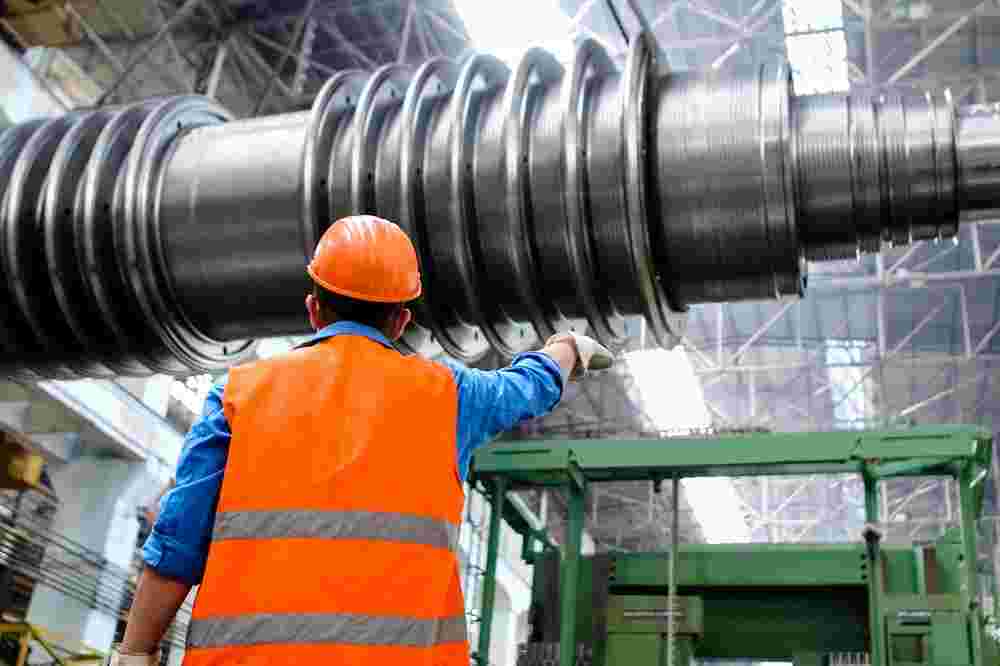
Large-scale infrastructure and industrial projects—such as power plants, manufacturing units, renewable energy facilities, transportation networks, and oil & gas structures—require precise coordination, heavy planning, and strong project control.
To handle this complexity, many companies choose the EPC execution model, also known as Engineering, Procurement, and Construction.
Under an EPC contract, a single contractor manages the entire project from start to finish. This approach delivers better efficiency, predictable timelines, controlled costs, and higher quality. Below are the key benefits of EPC execution that make it the preferred choice for modern infrastructure and industrial development.
1. Single-Point Responsibility
One of the biggest advantages of EPC execution is single-point accountability.
Instead of coordinating multiple contractors, vendors, engineers, and suppliers, clients work with just one EPC contractor who manages:
-
Engineering & design
-
Procurement of all materials
-
Construction & installation
-
Commissioning & handover
This streamlined structure reduces confusion, eliminates blame-shifting, and ensures faster decision-making.
2. Cost Control & Budget Predictability
EPC projects are commonly done on a Lump Sum Turnkey (LSTK) basis, meaning the contractor provides:
-
A fixed price
-
A defined scope
-
A clear timeline
This helps the project owner avoid unexpected cost escalations. Since the EPC contractor handles procurement, logistics, and vendor management, they can optimize purchase costs and reduce wastage.
3. Faster Project Delivery
EPC contractors follow a structured and synchronized workflow, which includes:
-
Parallel engineering & procurement
-
Pre-planned construction sequences
-
Advanced scheduling software
-
Optimized material flow
This allows projects to progress faster and more efficiently compared to traditional contracting, where delays are more common.
4. Better Quality & Safety Standards
Since the EPC contractor takes full ownership of the project, they maintain strict:
-
Engineering quality
-
Construction standards
-
Safety compliance
-
Testing & commissioning procedures
This results in fewer defects, reduced rework, and a safer working environment—crucial for industrial and infrastructure projects.
5. Reduced Project Risks
Infrastructure and industrial developments naturally involve multiple risks:
-
Material delays
-
Design errors
-
Contractor disputes
-
Supply chain failures
-
Cost overruns
EPC execution minimizes these risks because the contractor handles all stages. Their experience with large-scale projects helps them anticipate and manage challenges before they become critical.
6. Streamlined Procurement & Supply Chain
EPC contractors usually have strong global and domestic supplier networks. This ensures:
-
High-quality materials
-
Better negotiation pricing
-
On-time delivery
-
Improved logistics support
A smooth procurement flow is essential for avoiding construction delays and budget interruptions.
7. Advanced Project Management Tools
Modern EPC execution integrates advanced project technologies such as:
-
Building Information Modeling (BIM)
-
AI-based project forecasting
-
Drone surveying
-
GPS-enabled machinery tracking
-
Digital twins
-
Centralized project dashboards
These tools enhance coordination, monitoring, and performance measurement.
8. Compliance With Regulations & Standards
Infrastructure projects must follow various:
-
Environmental rules
-
Safety regulations
-
Industry codes
-
Government guidelines
EPC contractors are experienced in navigating these requirements and ensure the project remains compliant at every phase.
9. Smooth Commissioning & Handover
Unlike traditional contracting where clients handle post-construction issues, EPC execution includes:
-
System testing
-
Quality inspections
-
Performance verification
-
Operational training
-
Complete documentation
This ensures the project is fully operational from day one.
10. Ideal for Large & Complex Projects
EPC execution is especially beneficial for:
-
Power plants
-
Renewable energy facilities (solar, wind, hydro)
-
Highways & bridges
-
Industrial manufacturing units
-
Oil & gas infrastructure
-
Chemical plants
-
Water treatment facilities
These projects require tight coordination, high expertise, and zero room for error—making EPC the most efficient delivery model.
Conclusion
EPC execution simplifies complex infrastructure and industrial projects by offering single-point responsibility, faster delivery, optimized costs, higher safety standards, and reduced risks. For businesses and governments seeking reliable, predictable, and quality-focused development, EPC continues to be the most effective approach.
 Russian
 English
 Arabic
 French
 Spanish
 Portuguese
 Deutsch
 Turkish
 Dutch
Dutch
 Italiano
 Romaian
 Portuguese (Brazil)
 Greek
Greek
