


Why Is My Furnace Making a Loud Banging Noise When It Starts?
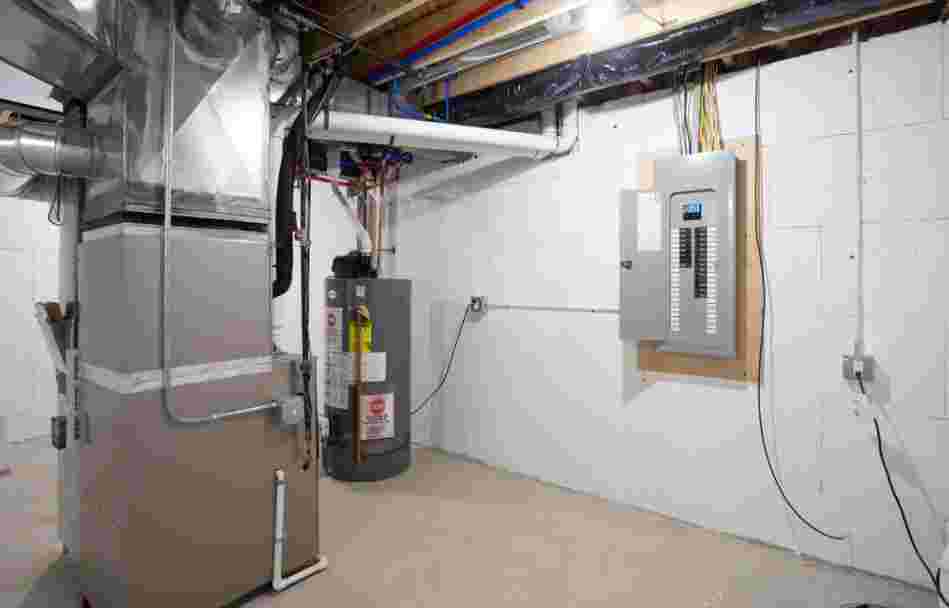
A furnace is one of the most important home appliances during cold months, helping families stay warm and comfortable. However, it can be worrying when the furnace suddenly makes a loud banging noise every time it switches on. Many homeowners panic and think the furnace is about to break, but in most cases, the noise happens due to a mechanical or airflow issue. Understanding the cause is the first step to preventing further damage and keeping your home safe. People who want to diagnose or work with heating systems often begin by learning more about Heating Ventilation Air Conditioning, as this knowledge helps them manage common furnace problems. In this article, we explore the main reasons why a furnace makes loud banging sounds at startup and what homeowners can do to solve the issue.
Delayed Ignition Caused by Gas Build-Up
One of the most common reasons for loud banging noises is delayed ignition. This happens when gas builds up in the combustion area before it finally ignites. Instead of lighting smoothly, the gas ignites suddenly and creates an explosive “bang.” While this noise may not always indicate immediate danger, it should never be ignored. Delayed ignition can occur because the burners are dirty, clogged, or misaligned. Dust and debris collect over time, preventing gas from flowing smoothly. When the gas finally lights, the sudden flame creates the loud noise.
Homeowners may also experience delayed ignition when the ignition system is weakening or malfunctioning. Older furnaces with worn-out ignition components are more likely to face this issue. Regular cleaning and servicing are necessary to avoid such build-up. Technicians trained in Heating Ventilation Air Conditioning understand how to inspect burners, identify blockages, and ensure safe ignition. Learning how furnaces work helps homeowners prevent long-term damage and maintain proper heating performance.
Expanding and Contracting Ductwork
Another common reason for loud bangs is expanding ductwork. When a furnace pushes heated air into cold metal ducts, the sudden temperature change causes the metal to expand quickly. This expansion can create knocking or banging noises. While this is normal to a certain extent, very loud or repetitive bangs may indicate poor duct design or loose sections of ductwork.
Older homes often have ducts that shift or move when warm air flows through them. If the ducts are too thin, bent, or poorly supported, the banging becomes louder. Additionally, restricted airflow can increase pressure in the ducts, making the expansion more dramatic. Homeowners should check for closed vents, dirty filters, or blocked ducts. Keeping good airflow reduces duct stress. A professional trained in Heating Ventilation Air Conditioning can evaluate the system, check duct thickness, add insulation, or secure loose connections. Addressing duct issues early helps reduce noise and improve heating efficiency.
Dirty Furnace Filters and Restricted Airflow
Clogged air filters can also cause loud noises when the furnace starts. When filters are dirty, the furnace struggles to pull enough air into the system. This creates pressure changes that can lead to popping or banging sounds. Restricted airflow also forces the blower motor to work harder, which places stress on internal components. If left unattended, dirty filters can cause overheating, reduced lifespan, and costly repairs.
Changing air filters regularly is one of the easiest and most effective ways to prevent furnace noise. Experts recommend checking filters every month during heavy usage seasons. Some homeowners forget this simple task, leading to unnecessary strain on the entire heating system. Understanding how airflow impacts furnace performance is a key part of Heating Ventilation Air Conditioning training, as professionals learn to identify airflow problems quickly and recommend the right solutions.
Problems With the Blower Motor or Fan
The blower motor plays a major role in distributing warm air throughout the home. If the motor becomes loose, damaged, or unbalanced, it can create banging or thumping sounds when the furnace turns on. Loose fan blades, worn belts, and damaged bearings also contribute to noisy operation. When the blower starts spinning, any loose component can hit the surrounding housing and make loud noises.
Ignoring these sounds can lead to larger mechanical failures. Homeowners should pay attention to vibration, rattling, or grinding noises, as these may signal a developing blower issue. Proper lubrication, tightening of components, and regular inspections help maintain smooth operation. These checks are standard in Heating Ventilation Air Conditioning maintenance routines, where technicians ensure all moving parts are aligned and functioning correctly. Keeping the blower in good condition reduces noise and helps the furnace run more efficiently.
Furnace Ignition System Wear and Tear
Furnaces naturally lose efficiency as they age, and the ignition system is often one of the first parts to wear out. Older systems may struggle to ignite quickly, causing repeated clicks followed by a sudden bang. Over time, the ignition wires, sensors, or pilot assemblies weaken and fail to light properly. This can cause gas build-up similar to delayed ignition.
Regular furnace inspections and servicing help identify these problems early. Replacing worn ignition components ensures proper lighting and reduces noise at startup. People who study Heating Ventilation Air Conditioning learn how to safely inspect ignition systems, measure gas pressure, and maintain heating equipment. Proper care can extend the life of an older furnace and keep it running safely.
Final Thoughts
A loud banging noise when a furnace starts can be alarming, but understanding the cause can help homeowners take the right action. Most banging issues come from delayed ignition, duct expansion, airflow restrictions, or mechanical wear. In many cases, simple maintenance tasks like cleaning burners, replacing filters, or checking ducts can reduce or eliminate the noise. However, some situations require professional inspection to prevent long-term damage. Homeowners who educate themselves or seek guidance from Heating Ventilation Air Conditioning professionals can maintain a quieter, safer, and more efficient furnace. With the right care, your furnace can run smoothly and keep your home warm throughout the winter.
 Deutsch
 English
 Arabic
 French
 Spanish
 Portuguese
 Turkish
 Dutch
Dutch
 Italiano
 Russian
 Romaian
 Portuguese (Brazil)
 Greek
Greek
