


What Speed (WPM) Should You Achieve After Finishing an Audio Typing Course?
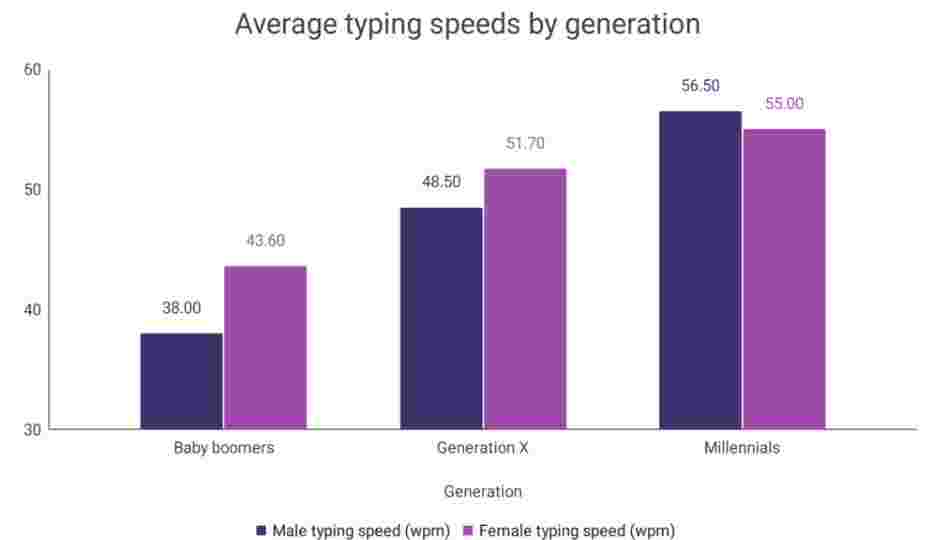
Typing speed has become one of the most essential workplace skills in today’s digital world. Whether you’re entering administrative work, medical transcription, legal assistance, or virtual support, strong audio typing abilities can significantly boost your efficiency and employability. Many learners begin their training with one common question: “What words-per-minute (WPM) speed should I reach after completing an audio typing course?” In this article, we explore realistic benchmarks, factors that influence typing speed, and how training—such as an Audio Typing Course—supports long-term improvement.
Understanding What WPM Really Measures
WPM, or words per minute, is the standard measurement of typing speed. It tells you how many words you can accurately type within one minute. However, in audio typing, the focus is not only on speed but also on accuracy and listening comprehension. When you listen to audio recordings and type simultaneously, your brain processes sound, language, and motor movement all at once. That means your WPM score reflects more than just quick fingers; it measures how well you follow speech, interpret accents, and avoid errors. Learners often underestimate how much mental coordination goes into audio transcription, which is why structured guidance through an Audio Typing Course becomes essential.
Average WPM for Beginners Versus Trained Typists
Typing speed varies depending on your starting point and the amount of practice you put in. Most beginners start at 20–35 WPM, especially if they are new to touch typing. This speed is normal and nothing to worry about. After consistent practice and proper technique training, learners typically reach between 45–60 WPM. For audio typists, this range is considered respectable, especially when accuracy stays high. Completing an Audio Typing Course can help learners break through early skill barriers and adopt techniques that improve speed without sacrificing correctness. With dedication, many learners eventually reach 70 WPM or more, although this may take ongoing practice beyond formal training.
Professional WPM Expectations in Different Industries
Different workplaces expect different typing speeds. For example, administrative roles such as receptionists or office assistants typically require a minimum of 45–55 WPM. Meanwhile, legal typists and court transcribers often work with fast speakers and complex terminology, so speeds of 70 WPM and above are preferred. Medical transcription roles usually expect between 60–75 WPM due to the detailed nature of the content. These standards show that the benchmark you aim for depends on your career goals. By taking an Audio Typing Course, learners can build a strong foundation and tailor their practice sessions to meet the speeds required in their chosen industry.
Accuracy Matters Just as Much as Speed
While WPM is important, accuracy is equally significant—especially in audio typing. A person who types 90 WPM but produces frequent mistakes is less effective than someone who types 60 WPM with near-perfect accuracy. Employers often value precision because mistakes can lead to misunderstandings, legal issues, or delays in workflow. One major benefit of structured training through an Audio Typing Course is learning techniques that balance speed with accuracy. These may include proper hand positioning, finger movement patterns, and listening strategies that help typists stay focused even when speech becomes challenging.
Improving Your Speed After Completing an Audio Typing Course
Finishing a course doesn’t mean your learning stops there. Typing is a skill that improves with repetition and consistency. Many learners notice that their WPM increases steadily after they continue practising outside the training environment. Using online typing tools, practicing with real audio clips, and scheduling short daily sessions can boost both speed and accuracy. An Audio Typing Course gives you the foundation, but the long-term results come from continuous application. With disciplined practice, learners can advance from 50 WPM to 70 or even 90 WPM over time, depending on their commitment and the complexity of the audio they work with.
Setting Realistic WPM Expectations for Yourself
Expectations should be based on your goals, current level, and availability for practice. If you aim to enter a fast-paced transcription role, reaching 70 WPM may be necessary. If you’re preparing for general office duties, 50–60 WPM might be perfectly adequate. Remember that everyone progresses at their own pace. Learning styles differ, and some people grasp touch typing faster than others. Completing an Audio Typing Course ensures you start with the right techniques, reducing frustration and helping you progress steadily toward your target WPM.

 English
 French
 Spanish
 Portuguese
 Deutsch
 Turkish
 Dutch
Dutch
 Italiano
 Russian
 Romaian
 Portuguese (Brazil)
 Greek
Greek
