


Can Nbcbdz reshape EI Transformer Factory partnerships today?
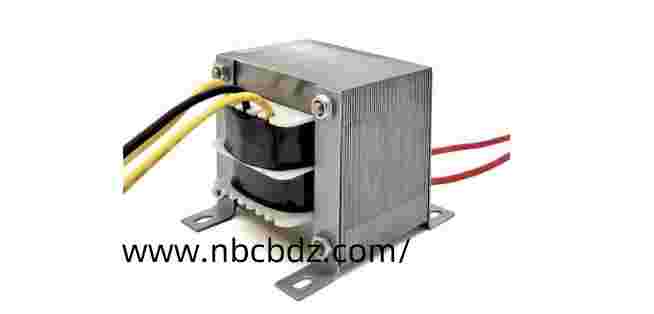
In today's dynamic electrical industry, the role of the EI Transformer Factory is no longer limited to production alone; it has become a vital hub for system integration, customization, and long-term operational stability. At the center of this evolving landscape stands Nbcbdz, representing a balance between structured manufacturing processes and adaptable service concepts. This combination reflects how modern transformer production is increasingly shaped by cooperation, precision, and application-driven design rather than standardized output alone.
Industrial users today demand more than just functional components. They seek consistency, compatibility with diverse systems, and the ability to respond to changing technical environments. This shift has transformed the way manufacturing facilities define their purpose. Instead of focusing only on output volume, attention is now placed on how products interact with entire electrical systems. Transformers must integrate smoothly into control cabinets, power distribution networks, automation lines, and energy management systems without causing operational friction.
One of the key changes in the market is the growing emphasis on application-specific design. Different industries require different electrical behaviors, space constraints, thermal characteristics, and installation conditions. Manufacturing processes must therefore support flexibility without compromising on structural stability. This balance relies on engineering coordination, material selection, winding precision, and insulation structure, all working together to support long-term operation under varying loads.
Another major trend shaping the sector is the pursuit of reliability across extended lifecycles. For industrial facilities, electrical interruptions can affect production flow, safety systems, and overall efficiency. As a result, procurement decisions increasingly consider not only initial specifications but also maintenance accessibility, replacement compatibility, and service responsiveness. A transformer is no longer viewed as an isolated unit, but as a participant in a broader operational ecosystem.
Sustainability considerations are also influencing manufacturing priorities. Energy usage, heat dissipation, and material efficiency play growing roles in design decisions. Factories are adapting production methods to support more stable energy performance and improved thermal management. These changes reflect a wider industry movement toward responsible manufacturing practices that support both performance goals and environmental expectations.
Communication between manufacturers and users has likewise become more collaborative. Instead of rigid, one-way product supply models, many projects now involve ongoing technical discussions, design revisions, and phased deployment. This approach allows equipment to evolve alongside the systems it supports, rather than becoming outdated or incompatible after short cycles of use.
Globalization has also reshaped expectations. Equipment is now frequently deployed across different regulatory environments, electrical standards, and operating conditions. This requires manufacturing processes to maintain consistency while remaining adaptable to regional requirements. Documentation clarity, traceability of materials, and standardized testing procedures have therefore become integral to production workflows.
From a market perspective, decision-makers increasingly evaluate long-term operational value rather than short-term purchasing convenience. This includes factors such as installation efficiency, operational stability, service accessibility, and system-level compatibility. The focus has shifted from simply acquiring components to building dependable electrical infrastructures that can evolve with changing demands.
Ultimately, the modern transformer manufacturing environment reflects a broader industrial transformation. Precision engineering, system-level thinking, collaborative development, and lifecycle awareness now shape how products are designed, produced, and applied. These elements collectively define the value that today's manufacturing partners bring to complex electrical projects across multiple sectors.
If these ideas resonate with your vision for stable and adaptable electrical systems, you may find further perspectives waiting at https://www.nbcbdz.com/product/ —where practical insight meets future-ready manufacturing.
 Romaian
 English
 Arabic
 French
 Spanish
 Portuguese
 Deutsch
 Turkish
 Dutch
 Italiano
 Russian
 Portuguese (Brazil)
 Greek
