


How Technology Is Transforming Domestic Shipping in India
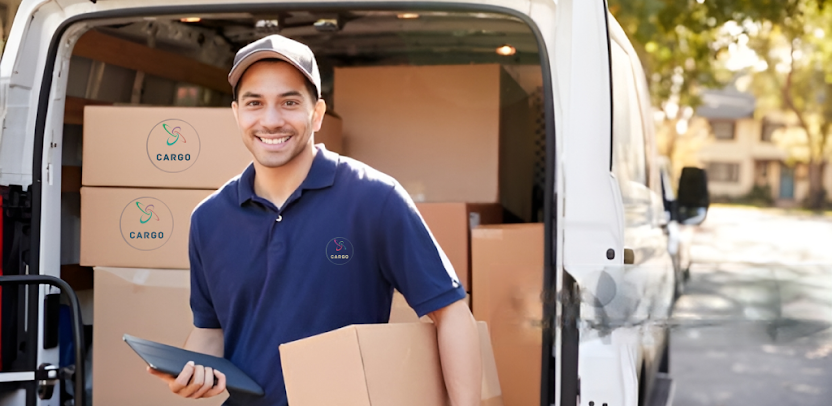
Domestic logistics has gone through a dramatic shift over the last decade, and the pace of change continues to accelerate. Today, domestic shipping India is no longer defined by slow transit, manual tracking, or unpredictable delivery experiences. Technology has reshaped how parcels move across cities, states, and remote regions - bringing efficiency, better visibility, and reliability to businesses and customers alike. What once depended heavily on paperwork and fragmented networks is now driven by data, automation, and smart digital tools.
Digitalization of Shipping Operations
One of the biggest transformations has been the shift from manual documentation to fully digital workflows. Modern shipping platforms now automate everything from label generation to route planning, reducing processing time and eliminating common errors that occur with handwritten records.
Digital manifests, e-way bills, and integrated order management systems allow courier companies and e-commerce sellers to sync information instantly. As a result, the shipping process becomes smoother, quicker, and far more transparent for all stakeholders.
Real-Time Tracking and Advanced Visibility Tools
Real-time tracking has become a standard expectation rather than a premium feature. GPS-enabled fleets, API-integrated tracking systems, and automated status updates provide customers and businesses with constant visibility into parcel movement.
For sellers, this visibility is crucial. It reduces customer service queries, allows proactive communication, and helps teams quickly respond to delays. For consumers, the ability to monitor a parcel’s journey right from pickup to delivery builds trust, especially when timelines are tight and reliability matters.
Smart Routing and AI-Based Decision Making
AI and machine learning have brought accuracy and speed to route optimization. Instead of relying on static maps or manual planning, courier networks can now analyze live traffic, weather patterns, delivery density, and historical performance to choose the fastest routes.
Smart routing also allows:
- Reduction in fuel consumption
- Improved on-time delivery rates
- Better utilization of delivery staff
- Lower overall transportation costs
This intelligence is particularly useful in metro cities where congestion is unpredictable and last-mile delivery is often the costliest part of the supply chain.
Automation in Warehousing and Fulfillment
Technology inside warehouses has changed as much as the roads outside them. Automated sorting belts, barcode scanners, handheld terminals, and warehouse management systems (WMS) allow for faster processing of parcels.
These tools ensure:
- Accurate inventory handling
- Reduced turnaround time
- Efficient picking, packing, and dispatching
- Smoother synchronization between multiple courier partners
With demand for faster delivery growing every year, the need for automation in fulfillment centers is stronger than ever.
Growth of Aggregator Platforms
Aggregator platforms have emerged as a major technological force in the domestic logistics ecosystem. Instead of depending on a single courier, e-commerce sellers can now compare rates, choose better-performing partners, and ship through multiple networks - all from one dashboard.
This model not only improves reach and reliability but also offers AI-driven carrier selection based on speed, cost, and service performance. As a result, small and medium businesses can operate with the same efficiency as large enterprises.
Data Analytics and Predictive Insights
Data has become one of the most valuable assets in the shipping industry. Courier companies now use analytics to forecast demand, optimize fleet usage, identify bottlenecks, and enhance customer experience. Predictive tools can even estimate the likelihood of delays, enabling proactive solutions before issues escalate.
For businesses, these insights help in planning inventory, reducing shipping costs, and improving delivery commitments during peak seasons.
Conclusion
Technology is redefining logistics at every level from warehouses and delivery vans to the dashboards businesses use every day. As tech adoption deepens, domestic shipping India is set to become faster, more reliable, and far more efficient than ever before. These advancements not only improve operational performance but also shape a more seamless experience for millions of customers across the country.
 English
 Arabic
 French
 Spanish
 Portuguese
 Deutsch
 Turkish
 Dutch
Dutch
 Italiano
 Russian
 Romaian
 Portuguese (Brazil)
 Greek
Greek
