


Understanding the GDP of India 2025: Projected Growth and Key Drivers
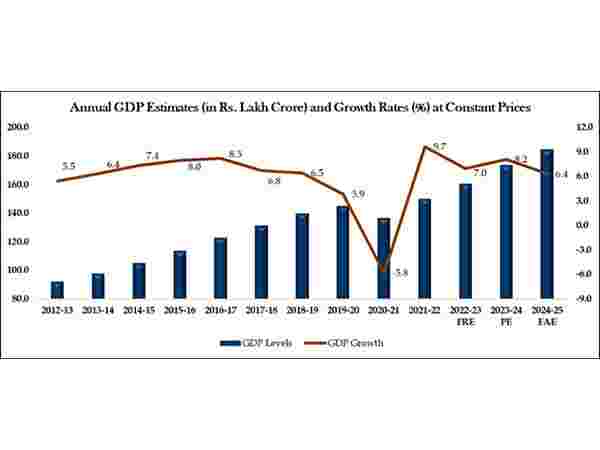
Gross Domestic Product (GDP) is one of the most crucial indicators of a country's economic performance. For India, the GDP growth rate is closely monitored, as it directly impacts various sectors such as employment, inflation, and living standards. As we approach 2025, the future of India’s GDP growth has become a subject of intense interest for economists, policymakers, and investors alike. The GDP of India 2025 is expected to experience significant growth, driven by multiple factors, including technological advancements, government initiatives, and increasing domestic demand.
In this article, we will explore the key factors influencing India’s GDP growth, the projections for 2025, and what it means for the Indian economy and its citizens.
India’s Economic Outlook: GDP Growth Projections for 2025
India is currently one of the fastest-growing major economies in the world. According to various projections from global financial institutions such as the International Monetary Fund (IMF) and the World Bank, India’s GDP is expected to grow steadily over the next few years, potentially reaching the $5 trillion mark by 2025. The country’s GDP growth rate is anticipated to be between 6% and 7% annually, making it a critical player in the global economy.
Key Drivers of India’s GDP Growth in 2025
Several key factors are expected to drive the GDP growth of India in 2025. These include both macroeconomic trends and government policies that promote sustainable growth. Let's look at some of these factors in detail.
1. Domestic Consumption
India’s domestic consumption is one of the most significant contributors to its GDP growth. With a population of over 1.4 billion people, India has a large consumer base, and a growing middle class. As disposable incomes rise, the demand for goods and services is expected to increase, further stimulating economic activity.
By 2025, the rise in consumption, especially in sectors like retail, automobiles, and technology, will play a pivotal role in driving GDP growth. The growth of e-commerce and digital payments will also contribute significantly to boosting economic productivity.
2. Infrastructure Development
The Indian government has committed to massive infrastructure development under the National Infrastructure Pipeline (NIP). The NIP aims to invest approximately $1.4 trillion into key sectors like transportation, energy, and housing by 2025. These investments will not only improve connectivity and quality of life but will also stimulate growth in related industries such as construction, steel, and cement.
The government's push towards smart cities, renewable energy projects, and enhanced roadways and rail networks will act as a catalyst for economic growth.
3. Technological Advancements and Innovation
India’s technology sector has seen rapid growth over the past few decades. In 2025, India’s role in the global digital economy is expected to expand, driven by its burgeoning startup ecosystem and an increasingly tech-savvy population. The country is also set to become a global hub for Artificial Intelligence (AI), machine learning, and digital solutions, particularly in fintech, healthtech, and e-commerce.
This tech-driven growth will directly impact GDP growth by increasing productivity, creating high-paying jobs, and promoting innovation across industries.
4. Policy Reforms and Foreign Direct Investment (FDI)
The Indian government’s continued focus on economic reforms will support the GDP growth trajectory. Simplified tax systems, improvements in the ease of doing business, and regulatory reforms have already begun to make India an attractive destination for foreign direct investment (FDI).
FDI inflows are expected to increase significantly in the coming years, particularly in sectors like manufacturing, technology, and retail. As India strengthens its global position, it will attract more international companies, leading to an increase in economic activity and further boosting GDP.
Challenges to India’s GDP Growth in 2025
While India’s GDP growth prospects look positive, there are certain challenges that the country must overcome to achieve the projected growth.
1. Global Economic Conditions
India’s GDP growth is closely linked to the global economy. Any downturn in key markets such as the United States, China, or the European Union could impact export demand and slow down growth. Additionally, fluctuating oil prices and commodity price instability may impact India’s growth prospects.
2. Employment and Skills Development
Despite the growing economy, India faces a significant challenge in terms of employment generation. The country needs to create millions of jobs every year to accommodate its youthful population. The mismatch between education and industry requirements is a key issue. To sustain long-term growth, India needs to invest in skilling its workforce and improving the employability of its young population.
3. Inflation and Monetary Policy
Inflation is another factor that could hinder India’s growth. The Reserve Bank of India (RBI) needs to balance inflation control with the need for economic expansion. High inflation can reduce purchasing power, and volatile inflation can deter investments, ultimately affecting GDP growth.
Conclusion: What Does the Future Hold for India's GDP Growth?
In summary, the India GDP Growth expected to continue its upward trajectory, bolstered by strong domestic demand, infrastructure development, technological innovation, and favorable government policies. The country is poised to become the world’s third-largest economy by the next decade, creating ample opportunities for businesses, investors, and citizens.
However, challenges such as global economic volatility, employment concerns, and inflation must be addressed to ensure that India’s growth remains sustainable and inclusive. With the right strategies in place, India is set to emerge as a key player in the global economic landscape in the years to come.
 Romaian
 English
 Arabic
 French
 Spanish
 Portuguese
 Deutsch
 Turkish
 Dutch
Dutch
 Italiano
 Russian
 Portuguese (Brazil)
 Greek
Greek
