


AI Agents in Cybersecurity Are We Moving Fast Enough to Stay Ahead
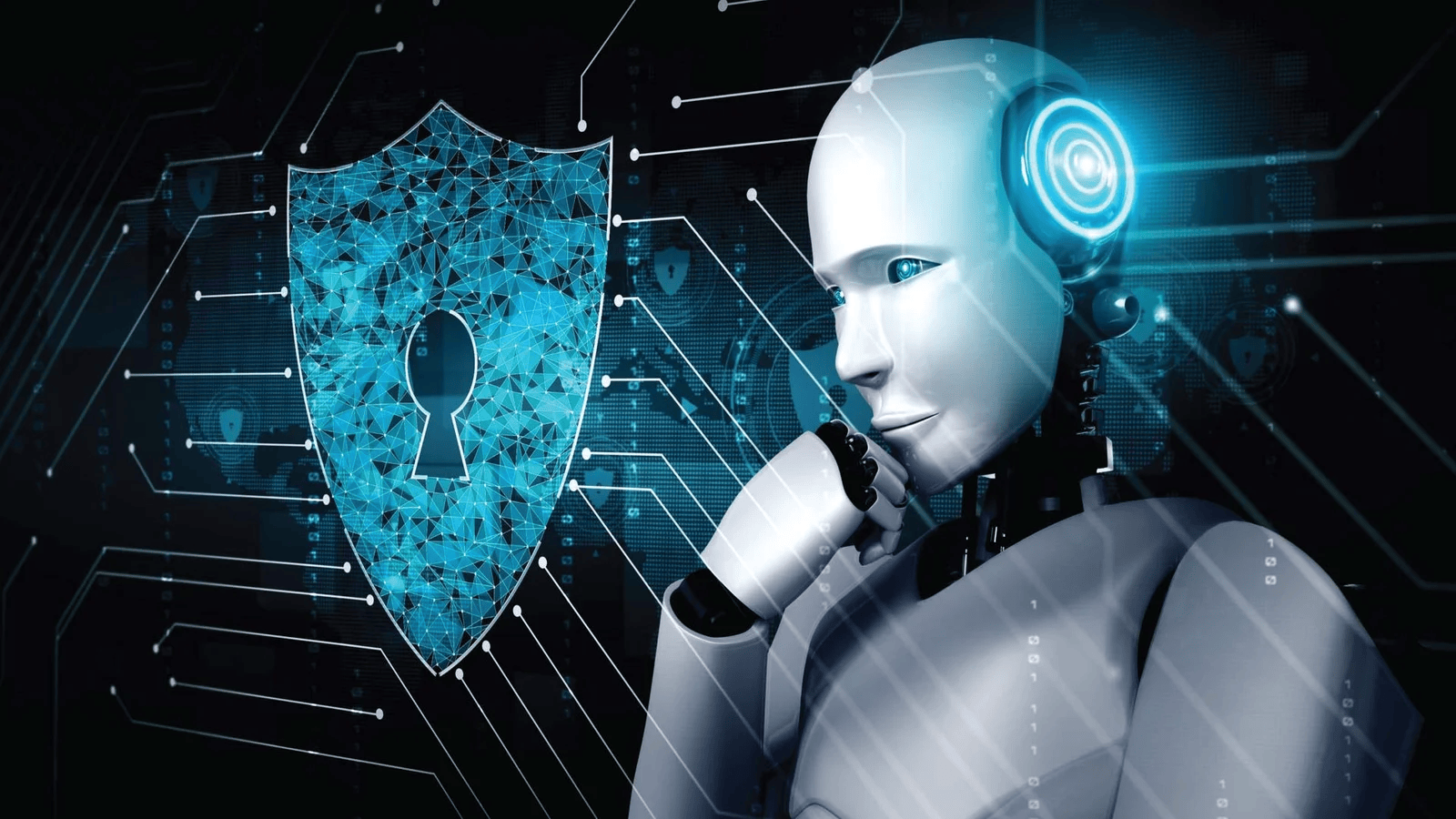
AI Agents in Cybersecurity: Are We Moving Fast Enough to Stay Ahead?
As cyber threats grow more complex in 2025, AI agents are no longer experimental tools operating on the sidelines. They are rapidly becoming the backbone of AI cybersecurity strategies, reshaping how organizations defend digital assets. Yet a pressing concern remains for global enterprises and security leaders alike: are AI agents in cybersecurity evolving fast enough to stay ahead of attackers, or are we unintentionally introducing new forms of risk into already fragile environments?
In today’s volatile threat landscape, organizations cannot rely solely on traditional defenses. Cybercrime damages are projected to exceed $13 trillion globally by the end of 2025, placing unprecedented pressure on security teams. In response, enterprises are accelerating the adoption of cybersecurity AI solutions that promise speed, adaptability, and precision. This shift marks a defining moment where leadership decisions will determine whether AI agents become a competitive advantage or a strategic liability.
The rise of specialized AI agents in cybersecurity reflects a broader evolution in how digital defense is structured. Modern AI agents are designed with focused responsibilities rather than generalized automation. Some operate reactively, isolating compromised systems within milliseconds of detection. Others function proactively, continuously monitoring behavioral anomalies to predict attacks before they materialize. In advanced SOC environments, collaborative AI agents now work alongside human analysts, reducing response times dramatically while improving alert accuracy. These deployments highlight how AI cybersecurity is moving beyond efficiency toward operational survival.
Cognitive AI agents add another layer of sophistication by learning from every incident they encounter. Financial institutions, for example, increasingly rely on AI-powered virtual analysts to manage tier-one threat triage. By resolving routine incidents autonomously, these agents free human experts to focus on complex investigations and strategic risk mitigation. However, the real strength of AI agents in cybersecurity lies in hybrid architectures where machines and humans evolve together, sharing context and reinforcing decision-making.
Threat detection itself is undergoing a fundamental transformation. The reactive security models of the past are giving way to predictive, intelligence-driven approaches powered by cybersecurity AI. Organizations leveraging predictive analytics are identifying threats significantly earlier than peers, gaining critical response windows that can prevent large-scale breaches. AI agents excel at uncovering patterns invisible to human teams, from deepfake-enabled phishing campaigns to zero-day exploits concealed within encrypted traffic. Drawing from global threat intelligence feeds, these agents deliver real-time, actionable insights at machine speed.
Yet speed alone does not guarantee security. As defenders deploy more advanced AI cybersecurity systems, adversaries are weaponizing AI as well. This creates an escalating arms race where automated attacks and defenses operate at unprecedented velocity. To maintain resilience, enterprises must continuously retrain AI agents using diverse, up-to-date datasets while preserving human oversight to mitigate false positives, model drift, and adversarial manipulation.
Scaling AI agents in cybersecurity introduces its own set of challenges. Regulatory fragmentation, data sovereignty requirements, and deployment costs complicate global implementation. Multinational organizations often struggle to transfer AI models across regions with incompatible compliance frameworks. Compounding this issue is the growing shortage of professionals skilled in managing cybersecurity AI systems, a gap that continues to slow adoption and optimization efforts.
Transparency is another critical concern. Executive teams and regulators increasingly demand explainability in AI-driven decisions, yet many AI agents still function as opaque black boxes. Investment in explainable AI frameworks is becoming essential to ensure accountability, maintain trust, and align AI cybersecurity initiatives with governance expectations.
Looking ahead, the future of AI agents in cybersecurity will be defined by intelligent integration rather than isolated innovation. Successful organizations will prioritize interoperable ecosystems where AI agents share intelligence, adapt dynamically, and align with ethical AI principles. Open architectures, cross-industry collaboration, and continuous learning will shape resilient defense strategies capable of evolving alongside emerging threats.
AI agents in cybersecurity are not a standalone solution, but they are a critical pillar of modern defense. Enterprises that succeed will balance automation with human judgment, speed with strategy, and innovation with control. As 2025 unfolds, one truth is clear: standing still in cybersecurity is not an option. Leaders must embrace AI cybersecurity boldly, while building systems designed for trust, adaptability, and long-term resilience.
Explore AITechPark for the latest insights on AI cybersecurity, AI agents in cybersecurity defense strategies 2025, scaling AI agents for enterprise cybersecurity protection, and expert perspectives across AITech News.
 Greek
Greek
 English
 Arabic
 French
 Spanish
 Portuguese
 Deutsch
 Turkish
 Dutch
Dutch
 Italiano
 Russian
 Romaian
 Portuguese (Brazil)
