


The Role Of Bypass Soft Starter Circuits In Continuous Duty
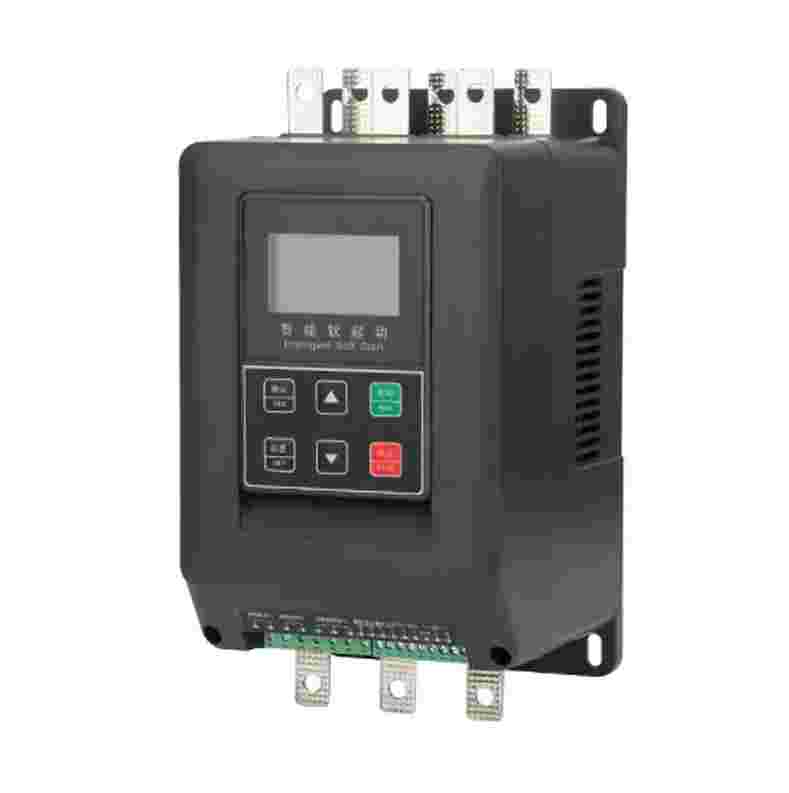
Soft Starter Cabinet and Bypass Soft Starter are widely applied in industrial motor control environments where controlled starting behavior and stable operation are required across varying load conditions.
Equipment protection is a primary concern for engineers responsible for motor-driven systems. Sudden voltage application can generate high inrush currents, placing stress on windings, couplings, and driven machinery. Soft starter technology addresses this issue by gradually increasing voltage during the startup sequence, allowing current and torque to rise in a controlled manner.
Within a Soft Starter Cabinet, semiconductor devices regulate voltage through phase-angle control or similar methods. The control logic determines ramp time, initial voltage, and current limits based on application requirements. These parameters can be adjusted to suit different motor types and load profiles, offering flexibility across diverse installations.
Bypass Soft Starter circuits become relevant once the startup phase is completed. During normal operation, continuous current flow through power semiconductors can generate heat and reduce overall efficiency. The bypass mechanism transfers current to a direct path using contactors, minimizing power losses and supporting long-term thermal stability within the cabinet.
This transition from controlled startup to bypass operation must be smooth to avoid electrical transients. Proper synchronization between control logic and bypass contactors ensures that voltage and current remain stable during the handover. Engineers often test these sequences during commissioning to confirm reliable performance.
Installation conditions also influence cabinet configuration. Ambient temperature, dust levels, humidity, and available ventilation affect component selection and enclosure ratings. In harsh environments, additional cooling or sealed enclosures may be required to maintain consistent operation.
Cable sizing and grounding practices are equally important. The controlled nature of soft starting reduces peak current, but conductors must still be sized according to rated load and duty cycle. Grounding ensures safe dissipation of fault currents and supports electromagnetic compatibility within the facility.
Maintenance planning benefits from clear cabinet design. Labelled terminals, accessible contactors, and modular components simplify inspection and replacement tasks. Facilities that prioritize maintainability often experience reduced downtime and more predictable service schedules.
Bypass Soft Starter systems are particularly common in applications with long operating hours. Once the motor reaches steady speed, the bypass circuit limits heat accumulation and reduces stress on electronic components. This approach aligns with operational strategies focused on durability rather than frequent parameter adjustment.
Soft starter solutions do not eliminate the need for proper motor selection or mechanical alignment. Instead, they complement these fundamentals by managing electrical behavior during critical startup periods. When integrated thoughtfully, starter cabinets contribute to stable system performance without introducing unnecessary complexity.
 Spanish
 English
 Arabic
 French
 Portuguese
 Deutsch
 Turkish
 Dutch
Dutch
 Italiano
 Russian
 Romaian
 Portuguese (Brazil)
 Greek
Greek
