


Gut Health and Daily Digestive Balance for a Healthier Lifestyle
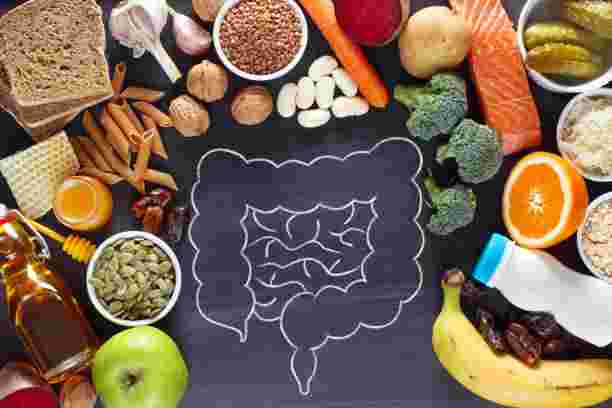
Digestive health plays a vital role in overall well-being, yet it is often overlooked until discomfort begins to interfere with daily life. The gut is responsible for breaking down food, absorbing nutrients, supporting immune function, and maintaining internal balance. When digestion is working efficiently, the body feels energized and comfortable. However, poor dietary habits, stress, lack of movement, and environmental factors can disrupt this delicate system, leading to bloating, gas, constipation, and fatigue.
Understanding how the digestive system functions and how to support it naturally can help restore balance and improve long-term health. By focusing on gut-friendly nutrition, lifestyle changes, and natural support options, individuals can promote smoother digestion and overall wellness.
Why Gut Health Matters
The gut is home to trillions of microorganisms that make up the gut microbiome. These beneficial bacteria assist in digestion, nutrient absorption, and the production of essential compounds that support immunity and mental clarity. A balanced microbiome helps prevent digestive discomfort and supports the body’s natural defense system.
When gut health is compromised, it can affect more than digestion alone. Irregular bowel movements, inflammation, poor nutrient absorption, and weakened immunity are common signs of imbalance. Over time, digestive issues may also contribute to low energy levels and difficulty maintaining overall health. Supporting gut health is not just about relief from symptoms but about building a strong foundation for daily well-being.
Common Digestive Challenges
Many people experience digestive discomfort at some point in their lives. Some of the most common challenges include bloating, gas, slow digestion, and irregular bowel movements. These issues are often influenced by lifestyle factors such as consuming processed foods, eating too quickly, dehydration, or prolonged stress.
Stress, in particular, has a strong connection to gut health. The digestive system responds quickly to emotional and physical stress, which can slow digestion and disrupt the balance of gut bacteria. Over time, this can lead to recurring discomfort and reduced digestive efficiency. Recognizing these triggers is the first step toward improving gut balance.
Natural Ways to Support Digestive Health
Supporting digestive health naturally involves a combination of mindful eating, hydration, physical activity, and gentle nutritional support. Small daily habits can make a significant difference in how the digestive system functions.
A diet rich in whole foods is essential. Fruits, vegetables, whole grains, and legumes provide dietary fiber that supports regular bowel movements and feeds beneficial gut bacteria. Fiber also helps move waste through the digestive tract, reducing bloating and discomfort.
Staying hydrated is equally important. Water helps soften stool and allows fiber to work effectively. Without proper hydration, digestion can become sluggish, leading to constipation and discomfort.
Regular physical activity supports gut movement and helps stimulate digestion. Even light activities such as walking or stretching can encourage healthy bowel function. Movement also helps reduce stress, which further benefits digestive balance.
The Role of Fiber in Digestion
Fiber is one of the most important nutrients for gut health. It comes in two forms: soluble and insoluble fiber. Soluble fiber absorbs water and forms a gel-like substance that helps regulate digestion, while insoluble fiber adds bulk to stool and supports regular elimination.
Including a variety of fiber-rich foods helps maintain gut balance and supports the growth of beneficial bacteria. Over time, consistent fiber intake can improve digestion, reduce bloating, and promote long-term gut comfort. Gradually increasing fiber intake is recommended to avoid digestive discomfort.
Digestive Enzymes and Gut Support
Digestive enzymes play a key role in breaking down food into nutrients the body can absorb. When enzyme levels are low, digestion may become inefficient, leading to discomfort after meals. Natural enzyme support can help improve digestion, especially for individuals who experience heaviness or bloating after eating.
In addition to enzymes, maintaining a healthy gut environment supports nutrient absorption and energy levels. When the digestive system functions smoothly, the body can better utilize vitamins and minerals from food, contributing to overall vitality.
Balancing the Gut Microbiome
A balanced gut microbiome is essential for digestive and immune health. Beneficial bacteria help protect the digestive tract, reduce inflammation, and support regular bowel movements. Factors such as poor diet, stress, and certain medications can disrupt this balance.
Consuming gut-friendly foods and maintaining healthy lifestyle habits can support microbial balance. Over time, this balance helps improve digestion and reduces the likelihood of recurring discomfort. Supporting the microbiome is a long-term investment in digestive health.
Lifestyle Habits That Improve Gut Health
Daily habits have a powerful impact on digestion. Eating slowly and chewing food thoroughly helps the digestive system work more efficiently. Mindful eating reduces the burden on the gut and allows better nutrient absorption.
Managing stress is another crucial factor. Practices such as deep breathing, meditation, or light exercise can calm the nervous system and support digestive function. Quality sleep also plays a role, as the gut performs essential repair and maintenance during rest.
Avoiding excessive processed foods, sugary drinks, and overeating late at night can further protect digestive balance. Simple lifestyle adjustments often lead to noticeable improvements in gut comfort.
Long-Term Benefits of Healthy Digestion
When gut health is supported consistently, the benefits extend beyond digestion. Improved energy levels, stronger immunity, better nutrient absorption, and enhanced overall comfort are common outcomes. A healthy digestive system allows the body to function more efficiently and adapt better to daily demands.
Rather than relying on quick fixes, focusing on natural digestive support and balanced habits encourages lasting results. Gut health is a journey, and gradual improvements lead to sustainable well-being over time.
Conclusion
Digestive health is a cornerstone of overall wellness. By understanding how the gut functions and adopting natural ways to support digestion, individuals can reduce discomfort and improve their daily quality of life. A balanced diet, proper hydration, regular movement, stress management, and gentle digestive support all contribute to a healthier gut.
Supporting digestion naturally is not about drastic changes but about consistent, mindful habits. When the gut is in balance, the entire body benefits, making digestive wellness an essential part of a healthy lifestyle.
Supporting Gut Health with Natural Supplements
Along with healthy eating and balanced lifestyle habits, some people choose natural digestive supplements to support daily gut balance. Products like GutLite are designed to gently assist digestion, promote regular bowel movements, and help reduce occasional bloating. When used as part of a routine that includes proper hydration, fiber-rich foods, and physical activity, such supplements may help maintain digestive comfort and overall gut wellness without harsh effects.
 Romaian
 English
 Arabic
 French
 Spanish
 Portuguese
 Deutsch
 Turkish
 Dutch
Dutch
 Italiano
 Russian
 Portuguese (Brazil)
 Greek
Greek
