


Style shifts fueled by Comme des Garcons
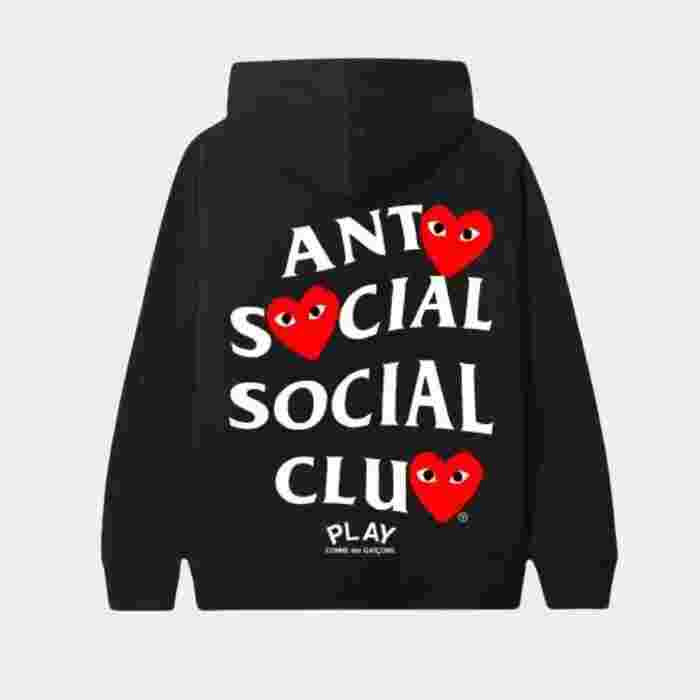
Streetwear isn’t static—it never has been. One season it’s baggy cargo pants and oversized hoodies, the next, sculpted silhouettes and fragmented layers dominate the streets. At the core of this constant flux sits a figure who refuses to play by the rules: Comme des Garçons. More than just a label, CDG has consistently pushed the boundaries of what style can signify. It’s a provocateur, a philosopher, and occasionally, a rebel in the crowded corridors of fashion.
The Genesis of Avant-Garde Fashion
Rei Kawakubo didn’t just enter fashion; she detonated it. In the late 1970s, her early collections in Paris left critics scratching their heads. Oversized jackets, unconventional cuts, and a refusal to adhere to traditional beauty standards Comme des Garcons made her a disruptor. But beneath the initial shock was an underlying philosophy: clothing could be more than fabric; it could be thought, feeling, and critique, all at once. She reimagined the silhouette, bending shapes into abstract forms that seemed to defy gravity, gender, and expectation.
Deconstruction as a Statement
Deconstruction became CDG’s signature dialect. Jackets with raw edges, shirts that appeared to unravel, pants stitched together in apparent chaos—they were all carefully orchestrated. This fragmentation wasn’t sloppy; it was deliberate commentary. In a world obsessed with perfection, asymmetry became an icon of rebellion. Fans learned that beauty doesn’t need symmetry and that elegance can emerge from chaos. Wearing deconstructed clothing became less about hiding flaws and more about celebrating the unexpected.
Playing with Gender and Identity
Few labels have toyed with gender as boldly as CDG. Kawakubo’s designs obliterate traditional lines between masculine and feminine. Oversized blazers sit alongside flowing dresses, and a single piece can oscillate between identities depending on who wears it. This fluidity is more than aesthetic—it’s a cultural critique, a reminder that clothing need not be a straightjacket of societal expectation. Streetwear enthusiasts who embrace CDG are not just buying garments; they’re donning statements about freedom, identity, and self-expression.
Collaborations That Spark Revolutions
While CDG hoodie has always been a singular vision, its collaborations amplify the impact. Pairings with Nike, Supreme, and Converse have recontextualized both streetwear and high fashion. Each drop becomes a cultural event, a fleeting moment of mania where fans line up for hours, driven by hype and the promise of something revolutionary. These partnerships blur the line between accessibility and exclusivity, creating a narrative where scarcity itself becomes part of the style.
Fabric Experiments and Material Innovation
Texture is language in Kawakubo’s world. From felted wool to transparent synthetics, CDG experiments with materials that challenge utility and expectation. A coat might feel sculptural, almost architectural, while a shirt seems deliberately fragile, testing the wearer’s relationship to the garment. These choices transform ordinary textiles into conduits of expression, making the physicality of clothing part of its conceptual punch. Each piece demands engagement, encouraging wearers to reconsider not just what they wear, but how they wear it.
Cultural Osmosis: Streetwear Meets Art
CDG doesn’t exist in a vacuum. Its designs seep into subcultures, gallery spaces, and underground movements. Streetwear brands take cues from Kawakubo’s fearless experiments, while art communities recognize the sculptural, performative qualities in her work. This cross-pollination creates a cultural osmosis, where clothing becomes a living commentary on contemporary life. Emerging designers channel this spirit, proving that influence isn’t just about imitation—it’s about absorbing philosophy and reframing it for new audiences.
The Enduring Legacy and Future Trajectories
Decades in, Comme des Garçons remains a benchmark for disruption. Modern designers borrow her principles of asymmetry, material innovation, and identity fluidity, while streetwear continues to evolve in unexpected directions. The future of fashion may see more hybridization: art, technology, and wearability merging in ways that echo Kawakubo’s original provocations. Her work teaches that the most lasting shifts in style aren’t just trends—they’re ideas, embodied in fabric, waiting for someone bold enough to wear them.
 Spanish
 English
 Arabic
 French
 Portuguese
 Deutsch
 Turkish
 Dutch
 Italiano
 Russian
 Romaian
 Portuguese (Brazil)
 Greek
