


Smart Lock Installation Service - Secure, Reliable, and User-Friendly Installs
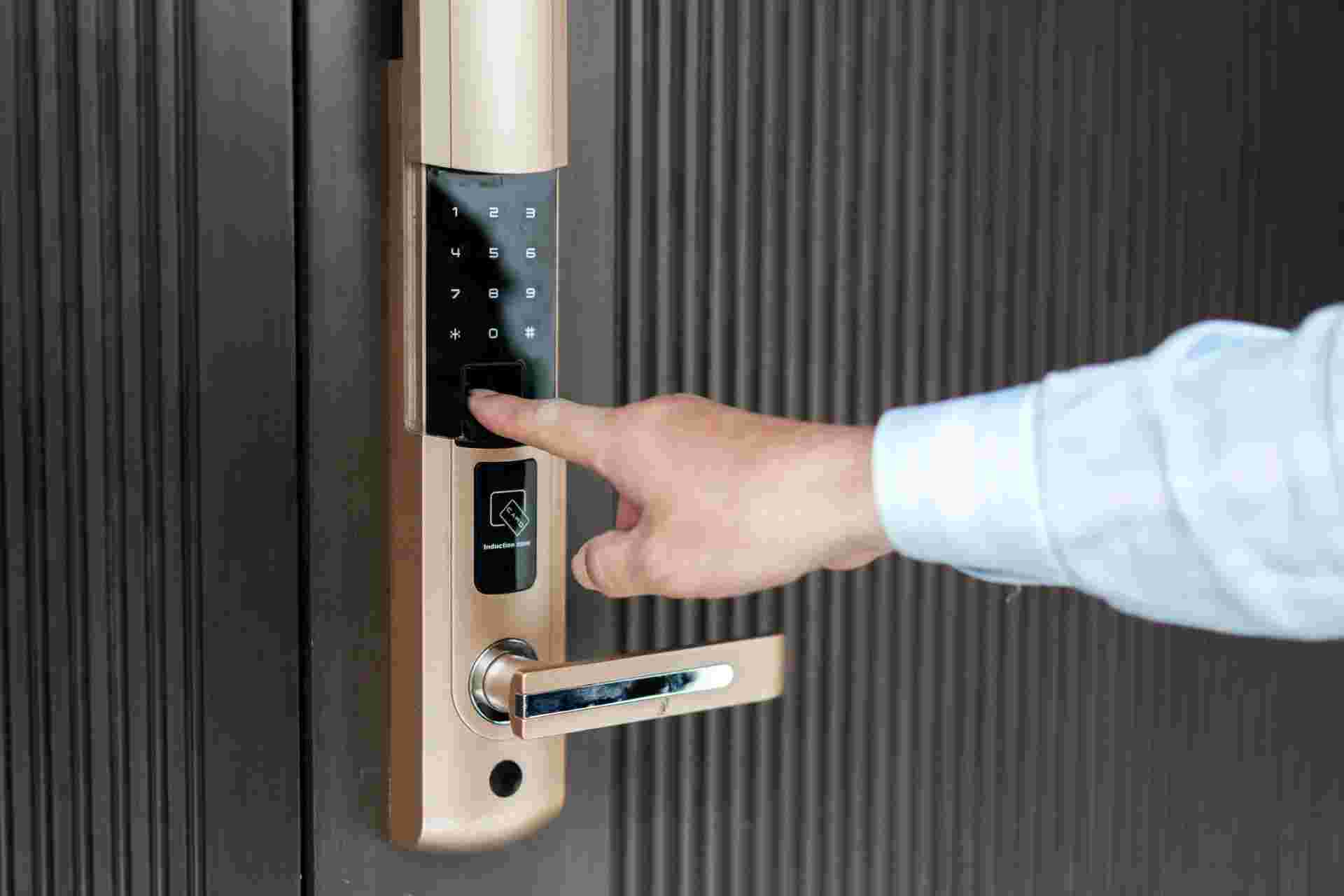
A thoughtful smart lock installation service changes how a home handles access by combining mechanical correctness, secure networking, sensible provisioning, and clear user training. Many homeowners buy a smart lock because the idea of keyless entry and activity logs sounds modern and convenient, yet the real benefits only appear when the installation is done end-to-end: door prep to reduce binding, power strategy to avoid frequent battery headaches, network placement so remote features work reliably, and provisioning policies that keep access tidy as people come and go. This article walks through everything a homeowner or property manager should expect from a professional smart lock installation service so the new lock becomes a dependable tool, not a recurring annoyance.
Why installation quality matters more than the brand
Smart locks are both mechanical and digital devices, and failures typically trace to the parts of the system that are ignored by novices. A misaligned strike plate or sagging hinge forces the lock motor to work harder, shortens battery life, and produces “stuck” events. Poorly sited wireless bridges produce intermittent connectivity that makes remote unlock and notifications unpredictable. Weak provisioning practices lead to dozens of orphaned codes that create security headaches over time. A professional smart lock installation service treats the project as a systems job: it verifies the door and frame, corrects mechanical issues before the lock is mounted, plans power and connectivity, and documents the user model so that the lock delivers convenience and real security for years.
The mechanical checklist a service should perform
On the surface, installing a lock looks simple: drill two holes, attach the hardware, and pair an app. A quality smart lock installation service goes deeper. Technicians check door squareness, measure backset and bore tolerances, inspect the strike plate and jamb for solid anchoring, and confirm hinge alignment so the bolt enters the strike without friction at every point in the door’s swing. If the home has historic doors or non-standard frames, the installer recommends reinforcement or modified hardware to avoid repeated callbacks. Those mechanical adjustments are invisible but critical: they reduce motor load, prevent hammering or jamming, and lengthen the lock’s lifetime while preserving quiet, predictable operation.
Power strategies: batteries, hardwire, and practical trade-offs
Power is a practical core of smart lock reliability. Most residential locks use batteries, which simplify installation but require realistic expectations about replacement intervals. A professional smart lock installation service advises on battery chemistry (high-quality lithium cells versus alkaline), configures low-battery alerts, and explains how usage patterns (number of cycles per day) impact service life. For high-traffic doors, the installer may recommend a hardwired solution or a hybrid approach with auxiliary power to eliminate frequent battery swaps. The right choice balances aesthetic impact, maintenance tolerance, and uninterrupted operation so the homeowner doesn’t face an unexpected lockout because a battery died on a weekend.
Connectivity and secure network placement
Smart locks use Bluetooth, Z-Wave, Zigbee, or Wi-Fi for commands, and many features like remote unlocking depend on a local bridge or hub. A professional smart lock installation service evaluates signal strength at the door in its final mounted position and places any necessary hubs or IP bridges to guarantee repeatable reach. Installers segment IoT devices onto a dedicated VLAN or guest network to reduce lateral attack surface and configure secure remote access via vendor-approved bridges or VPN rather than exposing management ports to the internet. Proper placement and network hardening are subtle, invisible measures that prevent the most common connectivity and security headaches.
Provisioning, user roles, and lifecycle hygiene
One of the greatest operational benefits of a professionally installed smart lock is sensible user provisioning. Installers help households map out who needs permanent access, who needs scheduled or temporary access, and who should be an administrator. They set expiration rules for guest codes, create named accounts for easier auditing, and show the homeowner how to revoke permissions quickly when someone leaves or a service worker’s visit ends. This governance prevents the accumulation of stale credentials and makes logs meaningful instead of noisy. A good smart lock installation service sets up this lifecycle hygiene and documents the process so owners have a clear routine for managing access.
Integration that adds value without creating fragility
Locks are more useful when integrated thoughtfully into a home’s ecosystem—linking an unlock event to hallway lights, creating camera snapshots when an unknown code is used, or auto-disarming an alarm when an authorized user arrives. A professional smart lock installation service integrates these automations while maintaining robust fallbacks. Critical functions such as bolt actuation and manual key use should never depend on a cloud service. Integrations should enhance daily life while preserving basic local reliability, and installers design them to fail gracefully so a lost internet connection does not lock the family out.
Privacy and auditability: making logs useful and respectful
Smart locks create logs that record who entered and when, and those logs are valuable only when they’re accessible, accurate, and private. Installers advise on retention policies and where logs should live—on a local hub, a homeowner-controlled server, or a secured cloud—based on privacy preferences and convenience needs. They also configure notifications to be informative rather than noisy: a few well-chosen alerts keep owners aware of important events without desensitizing them with trivial pings. Thoughtful log management makes access an asset for accountability rather than a liability for privacy or data overload.
Commissioning and real-world testing
Commissioning completes a professional smart lock installation service: it is the step where installers prove the lock behaves under real conditions. Commissioning includes operating the lock through its full travel cycle several times, testing manual and electronic access paths, verifying low-battery alerts, confirming remote access and video integration if present, and simulating failure modes such as network outage or physical power loss. Installers should also test the owner’s recovery methods—how to use a mechanical key, how to restore settings after a bridge replacement, and how to regain admin access. Commissioning reduces surprises and sets proper expectations for everyday behavior.
Handover, documentation, and homeowner training
A reliable smart lock installation service provides a concise handoff package that includes a labeled diagram of entry points, a list of admin accounts, instructions for creating and revoking guest access, and a brief training walkthrough for the household. This handover prevents simple user errors from becoming service calls and empowers residents to manage access confidently. Installers should also document maintenance expectations—battery change intervals, firmware update cadence, and signs of mechanical wear—so owners can keep the system healthy over time.
Maintenance options and warranty considerations
Aftercare matters. The best smart lock installation service offers optional maintenance packages that include periodic battery checks, firmware audits, and on-site mechanical inspections. Warranty terms vary by manufacturer, and an experienced installer helps the homeowner understand what actions preserve or void warranties. For rental properties or multi-unit buildings, a maintenance agreement that provides quick response times can be a cost-effective way to avoid disruptive lockouts or tenant complaints.
Common failure modes and how professionals prevent them
Common issues that drive homeowners back to installers are mechanical binding, weak radio coverage, poor provisioning practices, and missed firmware updates. Professionals prevent these problems with door prep to remove binding, placement of bridges to ensure communications, strict provisioning workflows to avoid stale codes, and recommendations for scheduled firmware checks. Addressing these predictable failure modes during installation is the single best way to reduce long-term friction and ensure the smart lock becomes a seamless part of daily life.
Choosing the right smart lock installation service
When evaluating providers, demand evidence of process: a site survey, clear mechanical checks, network planning, commissioning, and a documented handoff. Ask whether the installer will test the lock in its final mounted position, how they handle network isolation, and whether they offer a short follow-up check after a few weeks of normal use. References from similar homes or multiunit installs are valuable. A technician who treats the job as integrated systems work rather than a quick hardware swap is worth the investment.
Conclusion
A smart lock truly delivers value when the installation is executed with equal parts carpentry, network understanding, and user-aware provisioning. A professional smart lock installation service that checks door geometry, recommends the right power approach, positions connectivity bridges properly, configures access governance, and commissions the system thoroughly gives homeowners dependable security and everyday convenience. Investing in that service ensures the lock is not merely a feature but a reliable piece of home infrastructure that protects, informs, and simplifies life.
 Greek
Greek
 English
 Arabic
 French
 Spanish
 Portuguese
 Deutsch
 Turkish
 Dutch
Dutch
 Italiano
 Russian
 Romaian
 Portuguese (Brazil)
