


Aerial Power Cable: Key to Reliable Overhead Power Transmission
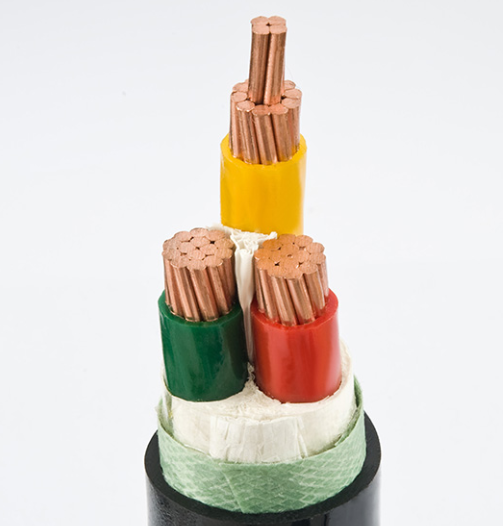
In the modern energy landscape, overhead power transmission remains a cornerstone of delivering electricity efficiently across cities, industrial zones, and rural areas. At the heart of this infrastructure lies the aerial power cable, a critical component ensuring consistent energy flow while meeting rigorous safety and durability standards. As a global manufacturer of overhead conductors and power cables, HNBF Power provides high-quality solutions designed for performance, reliability, and long-term sustainability.
What Is an Aerial Power Cable?
An aerial power cable is a type of overhead conductor specifically designed to transmit electrical energy across open-air installations. Unlike underground cables, these conductors are mounted on poles, towers, or other elevated structures. They are engineered to withstand environmental factors such as wind, rain, temperature fluctuations, and UV radiation while maintaining consistent conductivity.
Aerial power cables can be used for low, medium, and high-voltage transmission, depending on the type of conductor. HNBF Power specializes in a wide range of overhead cables, including AAC (All Aluminium Conductor), AAAC (All Aluminium Alloy Conductor), ACSR (Aluminium Conductor Steel Reinforced), and ABC (Aerial Bundled Cables), tailored to meet diverse project requirements.
Types of Aerial Power Cables
Understanding the different types of aerial power cables is essential for selecting the right solution for your project:
1. AAC (All Aluminium Conductor)
AAC is widely used for low-voltage distribution in urban and suburban areas. It is lightweight, corrosion-resistant, and cost-effective, making it ideal for short to medium spans.
2. AAAC (All Aluminium Alloy Conductor)
AAAC cables offer higher mechanical strength than AAC while retaining excellent conductivity. These cables are suitable for medium-voltage overhead lines and areas where structural durability is crucial.
3. ACSR (Aluminium Conductor Steel Reinforced)
ACSR combines the conductivity of aluminium with the tensile strength of a steel core. It is preferred for long-span, high-voltage transmission where durability and sag performance under load are critical.
4. ABC (Aerial Bundled Cables)
ABC is a bundled conductor solution designed for urban electrification. With insulated phase conductors, ABC cables reduce the risk of accidental contact and are easier to install in congested areas, minimizing outages and maintenance costs.
Advantages of Using HNBF Power Aerial Cables
Choosing the right manufacturer is just as important as selecting the cable type. HNBF Power ensures:
-
High-Quality Materials: Our cables use premium-grade aluminium and steel for optimal conductivity and mechanical strength.
-
Compliance with Standards: HNBF Power aerial cables meet international IEC, ASTM, and utility standards, guaranteeing safety and reliability.
-
Longevity: Designed to withstand harsh environmental conditions, our cables deliver consistent performance over decades.
-
Custom Solutions: We offer tailored designs for voltage, span length, and load requirements, ensuring your project’s unique needs are met efficiently.
Key Applications of Aerial Power Cables
Aerial power cables are integral to various sectors:
-
Utility Distribution Networks: Providing electricity to residential and commercial areas.
-
Industrial Facilities: Supplying high-demand energy to factories and plants.
-
Renewable Energy Projects: Connecting solar farms, wind turbines, and other distributed energy sources.
-
Rural Electrification: Extending power to remote areas with limited infrastructure.
Selecting the Right Aerial Power Cable
When choosing an aerial power cable, engineers and procurement teams should consider:
-
Voltage Rating: Ensure compatibility with the project’s operational voltage.
-
Mechanical Strength: Consider environmental conditions, such as wind loads and span length.
-
Corrosion Resistance: Especially for coastal or industrial environments.
-
Maintenance Needs: Opt for solutions that reduce outages and simplify servicing.
HNBF Power works closely with clients to recommend the ideal conductor type, cross-section, and configuration to maximize both reliability and cost-effectiveness.
FAQs About Aerial Power Cables
1. What is the difference between AAC and ACSR cables?
AAC is lightweight and suitable for low-voltage distribution, while ACSR combines aluminium conductivity with a steel core for higher mechanical strength and long-span applications.
2. Can aerial cables be used in urban areas?
Yes, ABC cables are specifically designed for urban electrification with insulated conductors that reduce the risk of accidental contact.
3. How long do HNBF Power aerial cables last?
Our cables are designed to withstand environmental stress and can provide reliable service for 25–30 years, depending on operating conditions.
4. Do you offer customized aerial cable solutions?
Absolutely. HNBF Power provides tailored solutions to meet project-specific voltage, load, and environmental requirements.
5. Are your aerial cables compliant with international standards?
Yes, all HNBF Power cables meet IEC, ASTM, and utility-specific standards to ensure safety, reliability, and quality.
Conclusion
Aerial power cables are critical for safe, efficient, and reliable electricity transmission. Choosing the right conductor type and a trusted manufacturer like HNBF Power ensures your power distribution system meets performance, safety, and longevity expectations.
Whether you are upgrading urban networks, designing industrial power lines, or planning rural electrification, HNBF Power provides high-quality, tailor-made solutions to meet your project needs.
Contact HNBF Power today to discuss your aerial power cable requirements and explore customized solutions for your next energy transmission project.
 Greek
Greek
 English
 Arabic
 French
 Spanish
 Portuguese
 Deutsch
 Turkish
 Dutch
Dutch
 Italiano
 Russian
 Romaian
 Portuguese (Brazil)
