


Jowar Flour: Ancient Grain for Modern Living
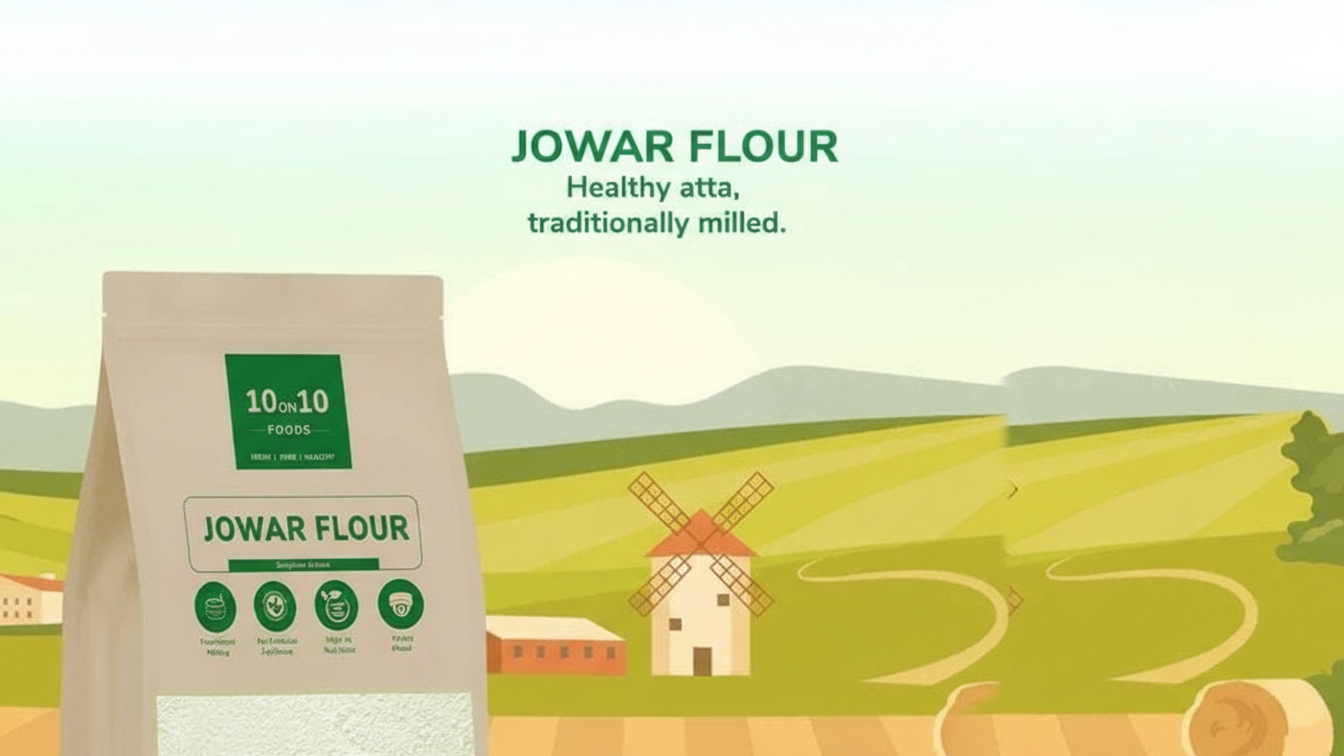
Long before packaged foods and refined flours became common, traditional diets across India relied on resilient grains that nourished generations. One such grain is jowar, also known as sorghum. Today, as people seek cleaner labels and balanced eating habits, jowar flour is once again finding its place in modern kitchens. Its journey from ancient farms to contemporary plates reflects how timeless food wisdom can meet today’s lifestyle needs.
A brief look at jowar’s history
Jowar has been cultivated in India for thousands of years, especially in semi-arid regions. Farmers valued it for its ability to grow with minimal water and withstand harsh climates. Over time, it became a dietary staple in states like Maharashtra, Karnataka, Telangana, and parts of Rajasthan. What makes this history relevant today is that jowar flour was never designed for speed or convenience—it evolved as a slow, sustaining food that supported daily physical work and long-term nourishment.
Why jowar flour fits modern lifestyles
Modern living often demands foods that are easy to digest, versatile, and compatible with changing dietary preferences. Jowar flour meets these needs without being processed or engineered.
It is naturally gluten-free, making it suitable for people who avoid wheat. Its complex carbohydrate structure supports steady energy release, which aligns well with active routines and mindful eating patterns. At the same time, it adapts easily to modern recipes—from traditional rotis to baked snacks and fusion dishes.
Nutritional profile in simple terms
Jowar flour offers a balanced mix of macronutrients and micronutrients. It contains dietary fiber that supports digestion and helps maintain fullness. It also provides plant-based protein along with minerals like iron, magnesium, and phosphorus.
Unlike heavily refined flours, jowar flour retains much of its natural grain structure when stone-ground. This means fewer nutrient losses and a more wholesome end product when sourced carefully.
Digestive comfort and daily meals
One reason jowar flour is regaining popularity is its compatibility with the digestive system. Many people find it lighter on the stomach compared to refined wheat flour. When prepared traditionally—such as soft rotis cooked on a tawa—it can be included regularly without feeling heavy or overly filling.
Pairing jowar-based meals with vegetables, dals, or curd further improves overall digestion and nutrient absorption.
Sustainability beyond the plate
Choosing jowar flour is not only a dietary decision but also an environmental one. Jowar requires significantly less water than crops like rice or wheat. It grows well without excessive chemical inputs, making it a climate-resilient grain.
As awareness grows around sustainable food systems, grains like jowar offer a practical way to support agriculture that respects natural resources while feeding growing populations.
Using jowar flour in everyday cooking
Jowar flour is extremely versatile once you understand its nature. Because it lacks gluten, dough preparation differs slightly from wheat flour. Warm water and gentle handling help create soft, workable dough.
Common uses include:
-
Jowar rotis or bhakris
-
Savory pancakes and cheelas
-
Steamed or baked snacks
-
Thickening soups or gravies in small amounts
With practice, it fits easily into daily meal planning without feeling restrictive.
Quality matters when buying jowar flour
Not all flours are processed the same way. Freshness, grinding method, and storage conditions affect both taste and nutrition. Brands that focus on clean sourcing and minimal processing tend to preserve the grain’s natural qualities better.
For consumers looking to include jowar flour regularly, choosing a trusted source like 10on10foods.com ensures consistency, purity, and reliable quality.
Ancient wisdom for balanced living
What makes jowar flour truly special is that it does not rely on trends. Its value comes from centuries of use, simple farming practices, and natural nutrition. In a time when people are rethinking food choices, jowar flour offers a reminder that progress does not always mean replacing the old—it can also mean rediscovering it.
Frequently Asked Questions About Jowar Flour
What is jowar flour made from?
Jowar flour is made by grinding dried jowar (sorghum) grains into a fine powder suitable for cooking and baking.
Is jowar flour suitable for daily consumption?
Yes, jowar flour can be consumed daily as part of a balanced diet when combined with vegetables, proteins, and healthy fats.
Does jowar flour contain gluten?
No, jowar flour is naturally gluten-free, which makes it suitable for people avoiding gluten.
How should jowar flour be stored at home?
Jowar flour should be stored in an airtight container in a cool, dry place. Refrigeration helps extend freshness, especially in warm climates.
Can jowar flour replace wheat flour completely?
Jowar flour can replace wheat flour in many recipes, but some adjustments in preparation are needed due to the absence of gluten.

 English
 French
 Spanish
 Portuguese
 Deutsch
 Turkish
 Dutch
Dutch
 Italiano
 Russian
 Romaian
 Portuguese (Brazil)
 Greek
Greek
