


The Blue Gold Economy: Implementing Waterless Cleaning for 2026 LEED Certification
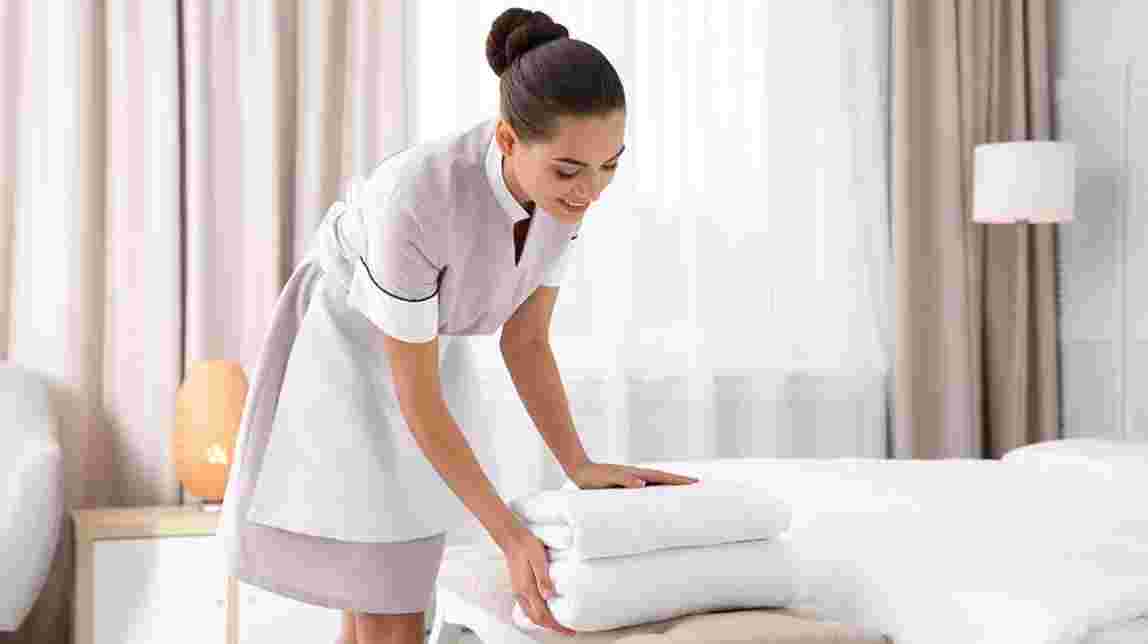
As we navigate the mid-2020s, the global focus on sustainability has shifted from elective "green" initiatives to mandatory conservation benchmarks. For facility managers and environmental consultants, the 2026 LEED (Leadership in Energy and Environmental Design) standards have placed an unprecedented premium on water efficiency. We are no longer just looking at low-flow faucets or efficient irrigation; the focus has turned toward the operational heart of the building: maintenance. The implementation of a "Waterless Cleaning" protocol is no longer a niche experimental strategy—it is a primary pathway to securing high-tier LEED points. By eliminating the gallons of water traditionally used in floor scrubbing, window washing, and surface sanitation, facilities can drastically reduce their indoor water use footprint.
This transition requires more than just new chemicals; it demands a total shift in the operational mindset of the staff. Transitioning to a water-restricted environment means that every member of the custodial team must be treated as a sustainability technician.
The Chemistry of Displacement: How Waterless Solvents Work
The technical backbone of waterless cleaning lies in advanced polymer chemistry and encapsulated surfactants. In traditional cleaning, water acts as the solvent and the carrier, suspending dirt so it can be moved away. In a waterless protocol, we utilize "encapsulation" technology. When a specialized waterless solution is applied to a surface, the polymers surround and crystallize the soil particles on contact. Once the solution dries—which happens much faster than water—the dirt is trapped in a microscopic crystal that can be easily removed through simple dry buffing or vacuuming. This method is particularly effective for high-traffic flooring and upholstery, where water saturations often lead to mold growth or structural degradation.
From a LEED v4.1 or the updated 2026 frameworks perspective, this method contributes directly to the "Water Efficiency" (WE) credit category. By removing the need for constant rinsing, a facility can save thousands of liters of water per month. However, the application of these polymers is precise work. It is not as simple as "spray and wipe." To maintain the integrity of the surfaces and ensure the chemical dwell times are respected, the staff must be highly trained. This is why a specialized housekeeping course focuses so heavily on chemical competence. Understanding the pH levels of waterless solvents and their reaction to different substrates like marble, LVT, or hardwood is the difference between a pristine, LEED-certified building and one with damaged, hazy surfaces.
Strategic Implementation and Equipment Transition
Moving toward a waterless protocol requires a strategic audit of existing janitorial equipment. Traditional auto-scrubbers and mop buckets are phased out in favor of microfiber technology and high-efficiency particulate air (HEPA) vacuum systems. Microfiber is a crucial component of waterless cleaning because its split-fiber structure allows it to pick up and hold debris using nothing more than a fine mist of solvent. This "damp-not-wet" approach ensures that no greywater is generated during the cleaning process, which is a major win for buildings aiming for zero-discharge goals. Furthermore, the reduction in heavy machinery leads to lower energy consumption, creating a synergistic effect between water and energy LEED points.
The Health and Safety Benefits of Dry Protocols
Beyond the obvious environmental gains, waterless cleaning protocols offer significant improvements in Indoor Environmental Quality (IEQ), another major pillar of the LEED scoring system. Traditional wet cleaning often leaves behind "micro-pools" of water in grout lines or crevices, which become breeding grounds for bacteria and fungi. By utilizing a dry or low-moisture system, you effectively "starve" these microorganisms of the hydration they need to thrive. This leads to better air quality and a reduction in the "musty" odors often associated with older buildings. Furthermore, dry floors are safer floors; the elimination of wet-floor hazards significantly reduces the risk of slip-and-fall accidents for both occupants and staff.
However, the safety of the cleaning staff is equally important when dealing with high-concentration waterless chemicals. These solutions are often more potent than standard soap and water, requiring a deep understanding of Personal Protective Equipment (PPE) and Material Safety Data Sheets (MSDS).
Verification and Long-Term Sustainability Goals
As we look toward the end of the decade, the criteria for LEED certification will likely only become more stringent. Verification is the final hurdle for any facility implementing a waterless protocol. This involves rigorous documentation of the products used (ensuring they meet Green Seal or EcoLogo standards) and the training records of the staff. The LEED 2026 update emphasizes "Performance Monitoring," meaning buildings must prove they are maintaining their conservation standards year-over-year. This is where the consistency of a well-trained team becomes the facility's greatest asset.
 Italiano
 English
 Arabic
 French
 Spanish
 Portuguese
 Deutsch
 Turkish
 Dutch
Dutch
 Russian
 Romaian
 Portuguese (Brazil)
 Greek
Greek
