


Is Network Engineering Good for Non-Technical Students?
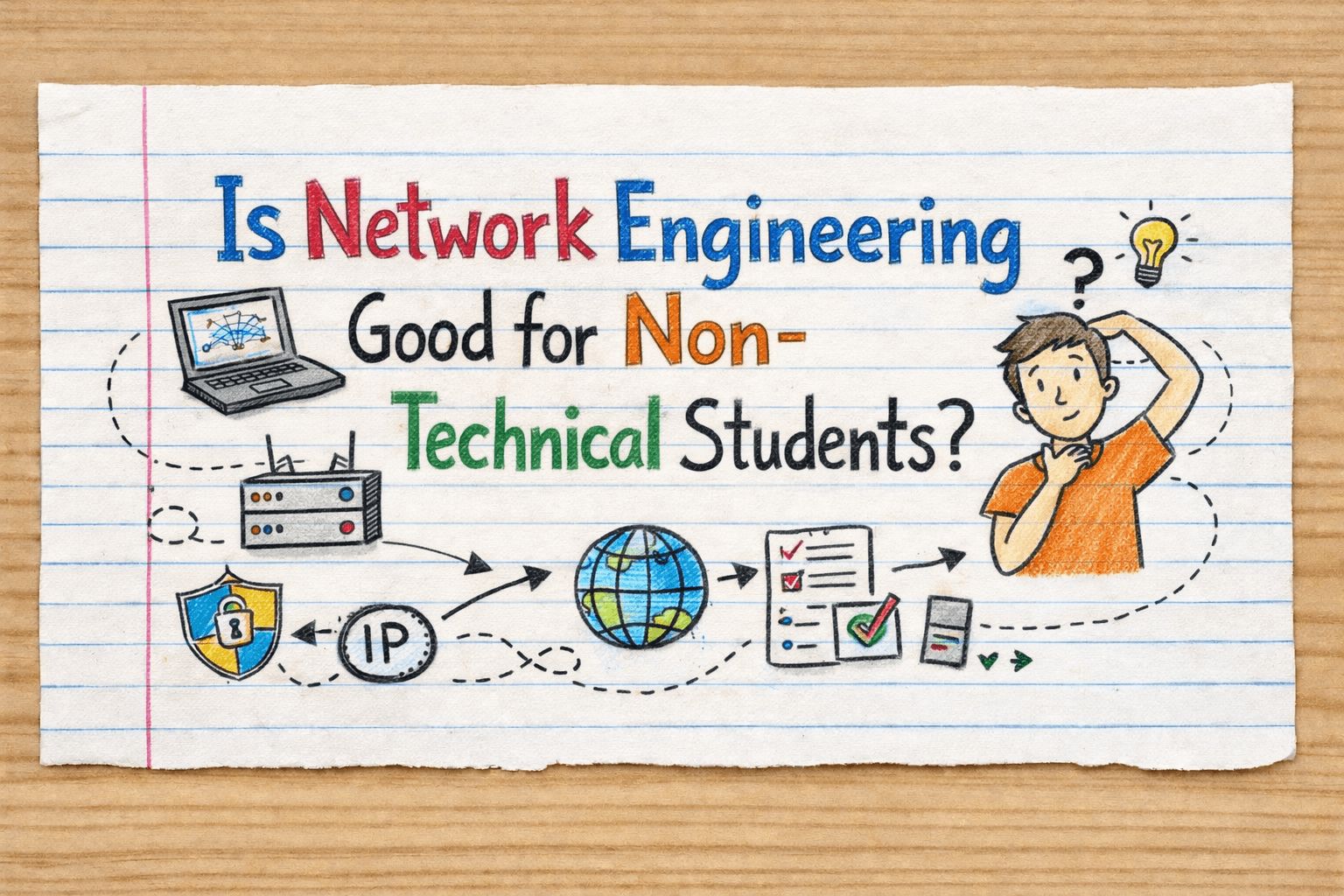
If you're from a non-technical background and thinking about network engineering as a career option, you might be asking yourself whether this field is right for you. This is a common question among students who come from arts, commerce, or other streams that don't involve heavy technical subjects. The simple answer is yes, network engineering can be a great choice for non-technical students, and here's why.
Network engineering is about understanding how computers and devices connect with each other to share information. While it may sound complicated at first, the basics are actually quite easy to grasp when you learn them step by step. You don't need to be a computer genius or have years of coding experience to start your journey in this field.
Understanding Network Engineering in Simple Terms
Network engineering is the practice of building and maintaining the systems that allow computers to talk to each other. Imagine your home Wi-Fi network or how your phone connects to the internet. Behind all these connections, there are network engineers who make sure everything works smoothly. They set up the equipment, fix problems when things stop working, and keep data flowing safely from one place to another.
The work involves understanding different networking devices like routers and switches, learning how data travels across networks, and ensuring that security measures are in place to protect information. Unlike software development that requires extensive programming knowledge, network engineering focuses more on concepts and logical thinking that anyone can learn with proper guidance.
Why Non-Technical Students Can Succeed
One of the biggest advantages for non-technical students is that network engineering doesn't require advanced mathematics or complex programming skills from day one. The foundation of networking is built on understanding concepts rather than writing code. When you learn about how devices communicate, such as studying the osi model in computer network, you're essentially learning a framework that explains data flow in layers. This type of conceptual learning is something any dedicated student can master.
Your fresh perspective as a non-technical student can actually be beneficial. You'll approach problems without preconceived notions and might find creative solutions that others overlook. Many successful network engineers started their careers from completely different backgrounds and built their expertise through structured learning and hands-on practice.
Communication skills are crucial in network engineering, and if you come from a non-technical field, you likely already have strong abilities in explaining things clearly and working with different types of people. Network engineers often need to communicate with team members, clients, and managers who may not understand technical jargon. Your ability to translate technical concepts into simple language becomes a valuable asset in the workplace.
The Learning Path for Beginners
Starting your network engineering journey doesn't require expensive degrees or years of preparation. The learning path is straightforward when you take it one step at a time. You begin with basic concepts like IP addresses, subnets, and how data packets move through networks. These fundamentals are taught in ways that make sense even if you've never touched a computer beyond basic usage.
Many training programs are specifically designed for beginners who have zero technical background. A quality network engineer course by pynetlabs can take you from absolute beginner to job-ready professional through structured modules that build your knowledge gradually. These courses include practical labs where you can practice configuring networks in safe environments before working with real systems.
The key is consistency and practice. Spending a few hours each day learning concepts and working on practical exercises will help you build confidence. You'll make mistakes along the way, but that's how learning happens. Every network engineer, regardless of their background, has spent countless hours troubleshooting and learning from errors.
Real Opportunities in the Field
The demand for network engineers continues to grow as businesses rely more heavily on digital infrastructure. Companies need professionals who can maintain their networks, ensure smooth operations, and protect against security threats. This demand creates opportunities for people from all educational backgrounds who are willing to learn the necessary skills.
Entry-level positions are available for those who have completed proper training and earned relevant certifications. You might start as a network technician or junior network administrator, where you'll gain practical experience while continuing to develop your expertise. As you grow in the field, opportunities for advancement open up, including roles like network architect or security specialist.
The salary potential in network engineering is attractive, especially considering that you can enter the field without a traditional four-year technical degree. Many professionals earn competitive salaries after just one or two years of focused learning and certification preparation. Your earning potential grows as you gain experience and obtain advanced certifications.
Making Your Decision
Deciding whether network engineering is good for you as a non-technical student depends on your willingness to learn and adapt. If you enjoy solving problems, have patience for troubleshooting, and are interested in understanding how technology connects our world, this field offers genuine opportunities. The technical skills can be learned, but the attitude and dedication you bring make all the difference.
Don't let your non-technical background hold you back. Many successful network engineers started exactly where you are now. They took the first step, committed to learning, and built careers they find both rewarding and stable. The technology industry values skills and knowledge over traditional academic credentials, which means your determination and expertise matter more than where you started.
Network engineering welcomes learners from all backgrounds. With accessible training programs, growing job opportunities, and the ability to start without prior technical knowledge, it represents a viable career path for non-technical students ready to embrace a new challenge. Your journey begins with a single decision to learn, and the rest follows naturally with consistent effort and the right guidance.
For those who want to start a career in this field from the ground up, beginning with a solid foundation through a ccna course by PyNet Labs can help build clarity and confidence in networking fundamentals.
 French
 English
 Arabic
 Spanish
 Portuguese
 Deutsch
 Turkish
 Dutch
Dutch
 Italiano
 Russian
 Romaian
 Portuguese (Brazil)
 Greek
Greek
