


The Future of Lab Data Management in Connected Healthcare
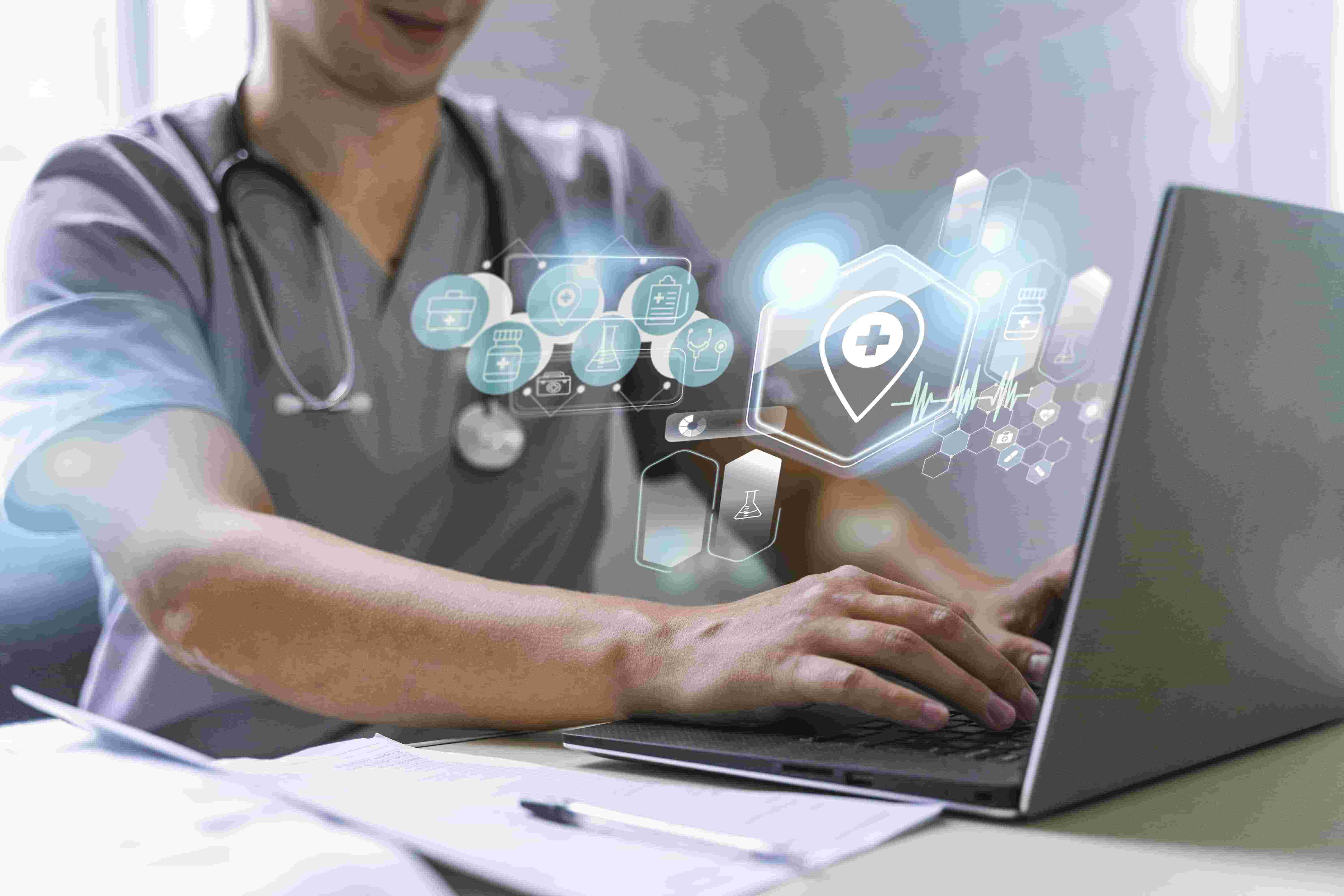
Healthcare systems worldwide are moving toward a more connected, data-driven ecosystem. Laboratories, which play a critical role in diagnostics and clinical decision-making, are central to this transformation. As patient care becomes increasingly collaborative, the ways in which laboratory data are collected, managed, and shared are rapidly evolving. The future of lab data management in connected healthcare is not just about digitization it is about intelligent integration, real-time accessibility, and secure data flow across platforms.
The Shift Toward Connected Healthcare
Connected healthcare refers to an environment where medical devices, software systems, healthcare providers, and patients are digitally linked. This connectivity allows information to flow seamlessly between departments, facilities, and even regions. For laboratories, this means test results are no longer confined to isolated systems. Instead, lab data becomes part of a larger clinical narrative, accessible to physicians, specialists, and care teams when they need it most.
As healthcare organizations adopt electronic medical records (EMRs), telemedicine platforms, and health information exchanges (HIEs), labs must align their data management practices with these interconnected systems. Traditional, siloed approaches are no longer sufficient.
Why Lab Data Management Matters More Than Ever
Lab data influences a significant percentage of medical decisions. From routine blood tests to complex molecular diagnostics, accurate and timely lab results are essential. Poor data management can lead to delayed diagnoses, duplicated tests, and even clinical errors.
In a connected healthcare setting, effective lab data management ensures:
-
Faster turnaround times for test results
-
Improved diagnostic accuracy
-
Better coordination between labs and clinicians
-
Enhanced patient safety and satisfaction
As healthcare systems grow more complex, managing lab data efficiently becomes a strategic necessity rather than an operational task.
Integration with Clinical Systems
One of the most important developments shaping the future of lab data management is system integration. Modern laboratories are increasingly required to connect with hospital information systems (HIS), EMRs, billing platforms, and public health databases.
Interoperability standards allow lab systems to exchange data in structured formats, reducing manual data entry and minimizing errors. Integrated systems ensure that lab results automatically appear in a patient’s medical record, enabling clinicians to view trends, compare historical data, and make informed decisions without delays.
This level of integration supports continuity of care and strengthens collaboration across healthcare teams.
The Role of Automation and Artificial Intelligence
Automation is transforming how laboratories handle data. Automated sample tracking, result validation, and report generation reduce human intervention and improve consistency. As data volumes grow, automation helps labs manage high workloads without compromising accuracy.
Artificial intelligence (AI) and machine learning are also beginning to influence lab data management. These technologies can:
-
Identify anomalies in test results
-
Predict equipment maintenance needs
-
Support quality control processes
-
Assist clinicians by highlighting critical values
By analyzing large datasets, AI-driven systems add intelligence to lab operations, making data more actionable within connected healthcare environments.
Data Security and Patient Privacy
With increased connectivity comes increased responsibility. Lab data contains sensitive patient information, making security a top priority. Future lab data management systems must balance accessibility with strict privacy controls.
Advanced encryption, role-based access, audit trails, and compliance with healthcare regulations are becoming standard expectations. Secure data sharing ensures that only authorized users can access lab results, while still enabling collaboration across healthcare networks.
Trust in connected healthcare depends heavily on how well patient data is protected.
Cloud-Based Lab Data Management
Cloud technology is playing a significant role in the future of laboratory data management. Cloud-based systems allow labs to store, process, and access data without relying on on-premise infrastructure. This flexibility supports scalability, remote access, and disaster recovery.
For multi-location labs or healthcare networks, cloud platforms enable centralized data management while maintaining local operations. Clinicians can access lab results from different facilities, improving coordination and reducing delays in patient care.
Cloud adoption also supports analytics and reporting, helping labs identify performance trends and operational gaps.
Empowering Patients Through Data Access
Connected healthcare is not limited to providers; patients are increasingly becoming active participants in their care. Modern laboratory data management systems are beginning to support patient portals, through which individuals can view test results, track trends, and share reports with other providers.
This transparency improves patient engagement and understanding, encouraging proactive health management. As patient-centered care becomes a priority, lab data management will continue to evolve to support clear, accessible communication.
Conclusion: Preparing Labs for the Future
The future of lab data management in connected healthcare is defined by integration, intelligence, security, and accessibility. Laboratories that adapt to these changes will be better equipped to support clinicians, improve patient outcomes, and operate efficiently in a digital healthcare ecosystem.
As healthcare in Pakistan and beyond continues to adopt connected systems, platforms such as Instacare.com.pk are helping bridge the gap between laboratories and modern healthcare infrastructure. By enabling smarter workflows and seamless data exchange through advanced Lab Management Software, labs can confidently step into a future where data is not just stored but truly connected and meaningful.
 French
 English
 Arabic
 Spanish
 Portuguese
 Deutsch
 Turkish
 Dutch
Dutch
 Italiano
 Russian
 Romaian
 Portuguese (Brazil)
 Greek
Greek
