


Is Frozen Food the Future of Home Cooking?
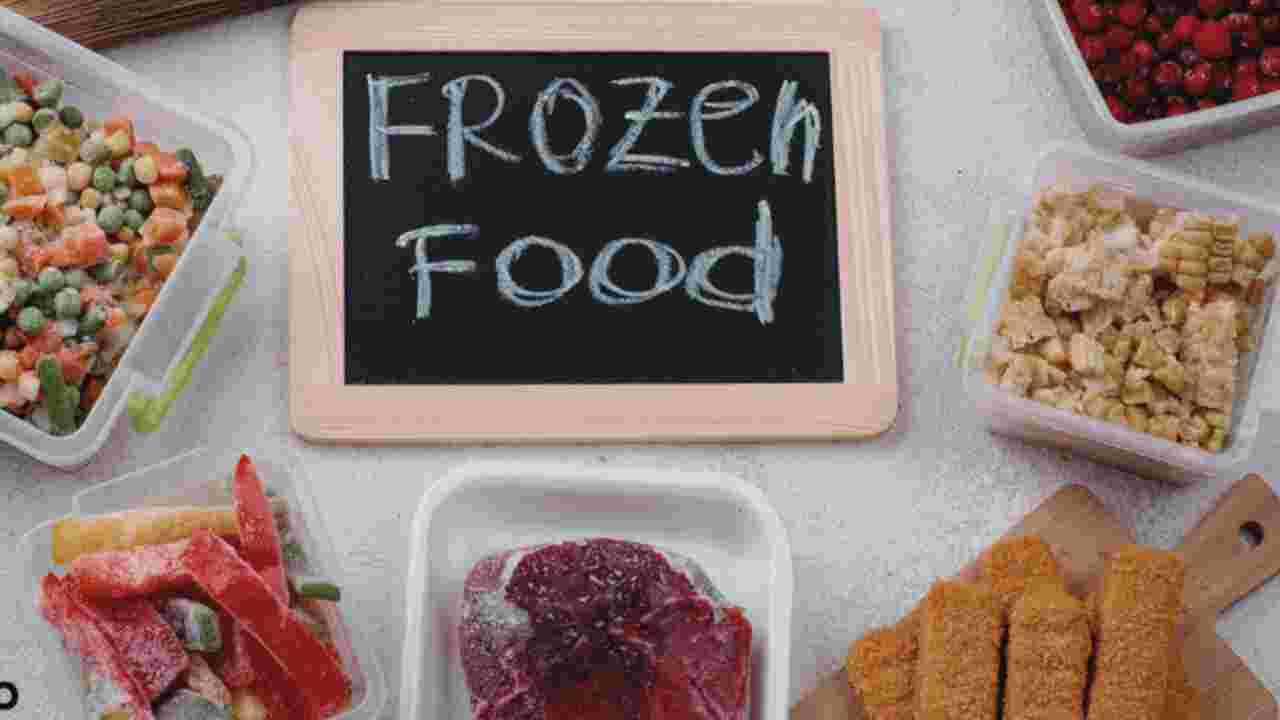
Home cooking has changed dramatically over the past few decades. Busy routines, rising food costs, and evolving lifestyles have forced people to rethink how they prepare meals at home. One major shift that has quietly reshaped kitchens worldwide is the growing use of frozen food. Once considered a compromise in quality, frozen food is now being re-evaluated as a practical, nutritious, and sustainable option. This raises an important question: is frozen food the future of home cooking?
To answer this, it’s important to understand how frozen food fits into modern life, how it compares to fresh ingredients, and why more households are turning to it as a reliable cooking solution.
The Changing Definition of Home Cooking
Traditionally, home cooking meant buying fresh ingredients daily and preparing meals from scratch. While this ideal still exists, reality often looks different. Long working hours, traffic, and limited access to fresh markets make daily shopping difficult for many families. Home cooking today focuses more on efficiency, consistency, and safety, without sacrificing taste or nutrition.
Frozen food aligns well with this modern definition. It allows people to cook meals at home without spending excessive time on preparation, cleaning, and frequent grocery trips.
How Frozen Food Preserves Quality
One of the biggest misconceptions about frozen food is that it loses its nutritional value. In reality, freezing is one of the most effective preservation methods available. Foods are usually frozen shortly after harvesting or processing, locking in nutrients at their peak. Unlike fresh produce that may lose vitamins during transportation and storage, frozen food often maintains its original nutritional profile for longer periods.
Advancements in freezing technology have also improved texture and flavor retention. Rapid freezing methods reduce ice crystal formation, helping food maintain its original structure when cooked. This means home cooks can achieve consistent results without worrying about spoilage or quality fluctuations.
Convenience Without Compromising Control
A major reason frozen food is gaining popularity is convenience. Pre-cut vegetables, portioned meats, and ready-to-cook items reduce preparation time significantly. However, convenience does not mean losing control over cooking. Frozen food still allows home cooks to choose spices, cooking methods, and portion sizes according to their preferences.
Instead of relying on takeout or highly processed meals, people can use frozen ingredients as building blocks for home-cooked dishes. This balance between convenience and customization makes frozen food especially appealing to busy households.
Reducing Food Waste at Home
Food waste is a growing global concern, and home kitchens contribute significantly to this problem. Fresh ingredients often spoil before they can be used, leading to unnecessary waste and financial loss. Frozen food addresses this issue by offering longer shelf life and flexible usage.
Home cooks can use only what they need and store the rest without worrying about spoilage. This not only saves money but also encourages more responsible food consumption. As sustainability becomes a priority for many consumers, frozen food offers a practical solution that aligns with eco-conscious values.
Consistency and Year-Round Availability
Another advantage of frozen food is consistency. Fresh ingredients can vary in quality depending on season, source, and storage conditions. Frozen food provides uniform quality throughout the year, making it easier for home cooks to plan meals with predictable results.
Seasonal ingredients such as vegetables and seafood become accessible year-round through freezing. This expands meal options and allows people to enjoy diverse cuisines without depending on seasonal availability.
The Role of Trust and Transparency
As consumers become more informed, they are paying closer attention to food sourcing, processing, and safety. Brands like OrangeFoodsExpert focus on educating consumers about frozen food quality, storage practices, and preparation methods. This growing emphasis on transparency helps build trust and encourages people to view frozen food as a reliable part of home cooking rather than a last resort.
Clear labeling, better packaging, and improved storage guidelines have further strengthened consumer confidence in frozen products.
Is Frozen Food Replacing Fresh Ingredients?
Frozen food is not meant to completely replace fresh ingredients. Instead, it complements them. Fresh herbs, dairy, and certain fruits are still best used fresh, while frozen vegetables, meats, and snacks offer unmatched convenience and consistency.
The future of home cooking is not about choosing one over the other it’s about smart combinations. Home cooks are increasingly mixing fresh and frozen ingredients to save time, reduce waste, and maintain balanced meals.
Conclusion: A Practical Future for Home Cooking
Frozen food is no longer just an emergency option tucked away in the freezer. It has evolved into a smart, reliable, and efficient solution for modern home kitchens. With improved freezing technology, better nutrition retention, reduced food waste, and unmatched convenience, frozen food fits seamlessly into today’s cooking habits.
As lifestyles continue to change, frozen food is likely to play an even bigger role in how people cook at home. When used thoughtfully alongside fresh ingredients, Frozen Food Items can support healthier routines, consistent meals, and stress-free home cooking making them a strong contender for the future of everyday kitchens.
 Greek
Greek
 English
 Arabic
 French
 Spanish
 Portuguese
 Deutsch
 Turkish
 Dutch
Dutch
 Italiano
 Russian
 Romaian
 Portuguese (Brazil)
