


Dubai Property Prices: Rise or Fall — What’s Happening Now
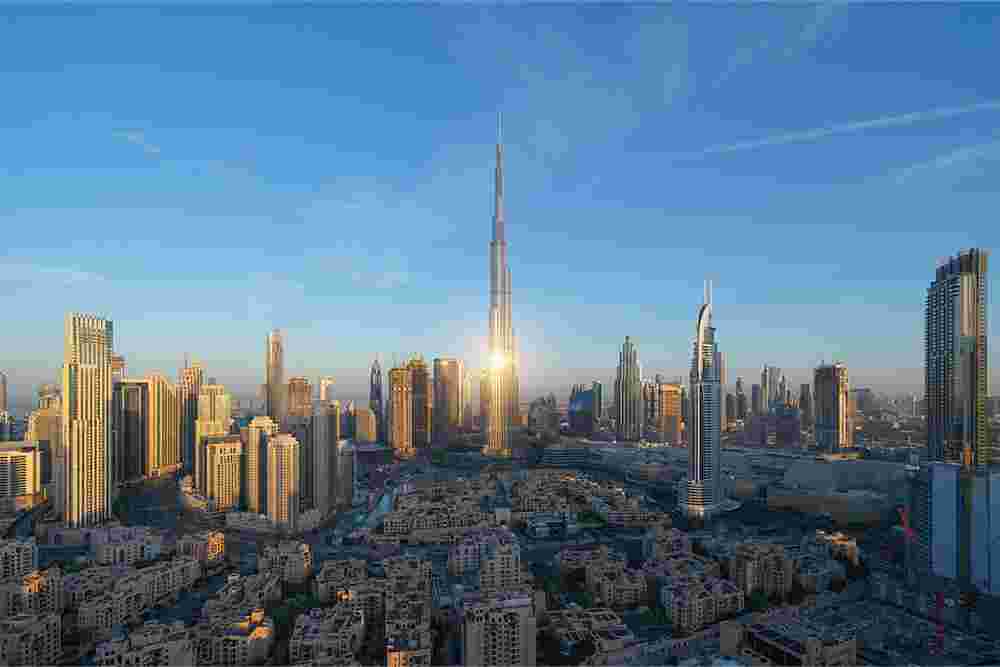
Dubai’s real estate market is one of the most talked-about property landscapes globally. With its strategic location, business-friendly policies, and world-class infrastructure, Dubai continuously attracts buyers and investors from around the world. One of the key questions on everyone’s mind is whether Dubai property prices are rising or falling, and what the current trends mean for buyers, sellers, and investors.
This article provides an up-to-date overview of recent price trends in Dubai’s property market, explains the factors influencing these movements, and explores what buyers and investors should consider when making decisions in the current market environment.
Current Trends in Dubai Property Prices
In recent years, Dubai has experienced a notable upswing in property prices across many segments of its real estate market. Several factors have contributed to this trend, including increased demand from both local and international buyers, economic diversification efforts, and renewed investor confidence in the emirate.
Residential real estate in Dubai, especially in sought-after locations such as urban centers, waterfront communities, and master-planned developments, has seen price appreciation. Apartments and villas in central and well-connected areas have particularly shown upward momentum due to strong demand and limited availability.
Although some market cycles have historically shown periods of plateau or minor pullbacks, the broader trajectory over recent quarters points toward price growth rather than decline in many key segments.
What’s Driving the Price Rise?
Increased Demand from Global Buyers
Dubai continues to attract international buyers thanks to its tax-free environment, visa reforms, and quality of life factors. The emirate’s real estate sector remains open to foreign ownership in designated freehold areas, and global buyers often view Dubai properties as a compelling alternative to markets with higher barriers to entry.
Strong Rental Market
Another factor supporting property prices is the strength of the rental market. Rental demand has remained robust in popular communities where expatriates, professionals, and families prefer to live. Higher rental yields can increase investor interest, which in turn supports price growth.
Economic and Population Growth
Dubai’s economic growth and population expansion contribute to ongoing housing demand. Infrastructure projects, business incentives, and increased tourism also play significant roles in stimulating real estate activity.
Segments with Faster Price Growth
Some property types and locations have shown particularly strong price performance. These include:
Urban residential towers in central districts with easy access to business hubs and major transport links
Waterfront communities and island developments that offer lifestyle appeal and scenic views
Master-planned townhouses and villa communities with family-oriented amenities
These segments have benefited from both investor interest and end-user demand, contributing to steady price appreciation.
Are There Any Price Corrections?
While the overall trend points toward rising prices, localized adjustments and short-term price corrections have occurred in certain areas, especially where supply has increased significantly in a short period. Some neighborhoods with concentrated new launches may see temporary price stabilization as developers release inventory and buyers assess options.
Price movements can vary widely by community, property type, and transaction volume. For example, older stock or oversupplied mid-range units may experience less aggressive growth compared to premium segments where demand continues to outpace supply.
What This Means for Buyers
For prospective buyers, rising property prices can mean higher entry costs in sought-after locations. However, price appreciation also reflects investor confidence and can signal long-term value retention.
Buyers interested in future growth may consider areas with ongoing infrastructure development or emerging communities with planned amenities. Timing the purchase based on personal financial readiness and market expectations remains crucial.
For end users focused on living rather than investment, assessing community lifestyle, accessibility, and long-term plans can be as important as price movements.
What This Means for Investors
Investors typically view price appreciation as a positive indicator, especially when combined with rental income potential. Rising prices can support capital gains over time, particularly in areas with strong demand drivers.
However, investors should also consider holding periods, financing costs, and overall market cycles. Diversification across property types and locations may help balance risk, and professional guidance can assist in evaluating growth prospects.
Understanding supply pipelines and upcoming developments can provide insight into how future price dynamics may unfold.
Key Factors Influencing Property Prices
Supply and Demand Balance
The balance between new supply and market demand is a fundamental driver of prices. When demand exceeds available inventory, prices tend to rise; when supply increases without matching demand, prices may stabilize or adjust.
Economic Conditions
Broader economic indicators, such as job growth, tourism inflows, and overall investor sentiment, have direct effects on property demand. Positive economic trends can boost confidence and price growth.
Policy and Regulation
Government policies regarding real estate ownership, visa incentives, and foreign investment rules can influence buyer interest and market activity. Clarity and stability in regulatory frameworks often support sustainable price movements.
Looking Ahead: Price Expectations
While short-term fluctuations can occur, the longer-term outlook for Dubai property prices remains generally positive among many market analysts. Continued global interest, supportive economic policies, and ongoing infrastructure development are cited as factors that can sustain growth.
However, buyers and investors should remain informed about current supply levels, pricing trends in specific communities, and broader market conditions.
Property decisions should align with personal goals, financial capacity, and risk tolerance rather than relying solely on price expectations.
Frequently Asked Questions
Are Dubai property prices rising or falling?
Overall, Dubai property prices have shown an upward trend in recent periods, with many segments experiencing price growth due to increasing demand and strong market activity.
Which areas in Dubai are witnessing the most price appreciation?
Prime urban areas, waterfront developments, and master-planned communities with lifestyle amenities have tended to show stronger price growth compared to oversupplied mid-range neighborhoods.
Does the rental market impact property prices?
Yes, strong rental demand supports investor interest and contributes to price growth, especially in areas with consistent occupancy and attractive rental yields.
Can price corrections happen in Dubai?
Localized price adjustments and short-term corrections can occur in areas with increased supply or changing demand conditions, but these tend to be specific to certain communities.
Is now a good time to buy property in Dubai?
Whether now is a good time depends on individual financial readiness, investment goals, and risk tolerance. Many buyers see Dubai’s price trends as positive, but careful research and professional guidance are recommended before making a purchase.
 French
 English
 Arabic
 Spanish
 Portuguese
 Deutsch
 Turkish
 Dutch
Dutch
 Italiano
 Russian
 Romaian
 Portuguese (Brazil)
 Greek
Greek
