


How Preventive Electrical Testing Reduces Downtime
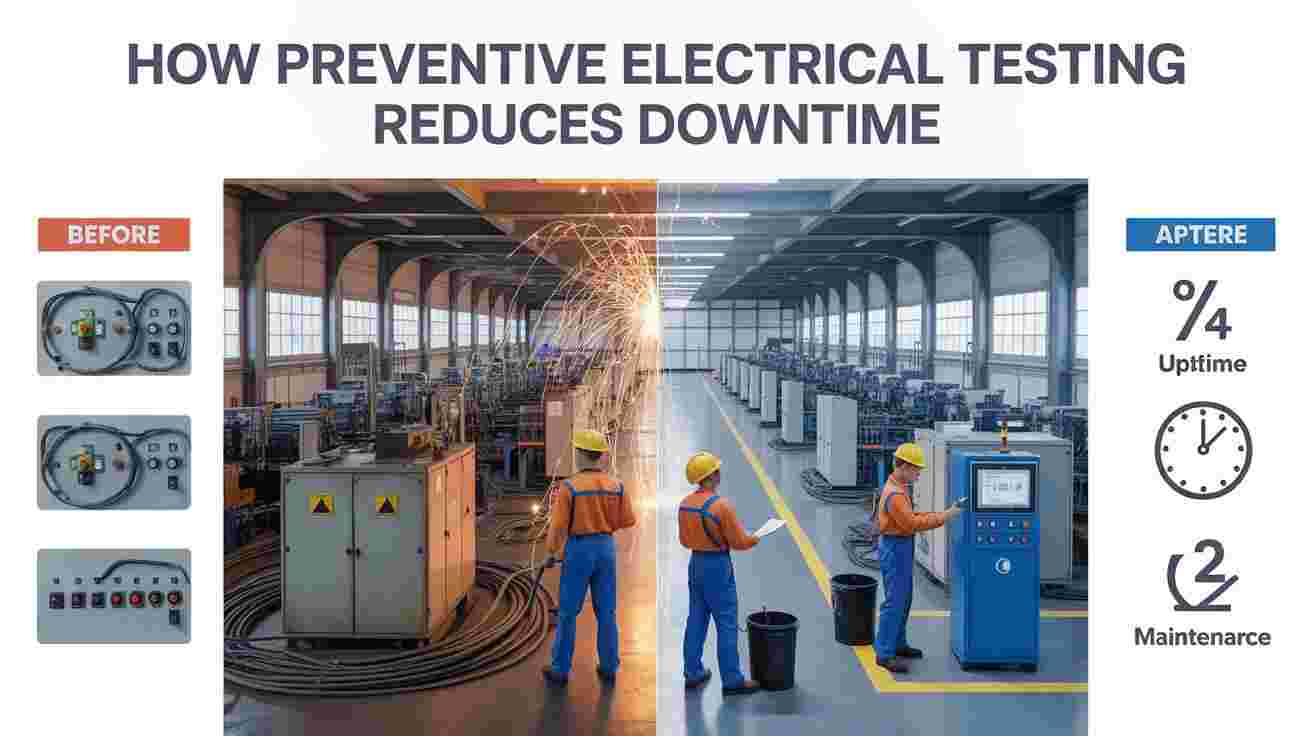
In modern power-driven operations, downtime is more than an inconvenience—it’s a direct hit to productivity, safety, and revenue. Electrical failures are among the leading causes of unplanned shutdowns across utilities, industrial facilities, and commercial infrastructure. This is why forward-thinking organizations turn to experts like Belenus Powerto build proactive testing strategies that stop problems before they escalate.
Preventive electrical testing shifts the focus from reacting to failures to anticipating them. Instead of waiting for equipment to fail, systems are regularly evaluated, weaknesses are identified early, and corrective actions are taken on schedule rather than in crisis mode.
Understanding Preventive Electrical Testing
Preventive electrical testing is a structured approach to assessing the condition of electrical systems while they are still operational or during planned outages. The goal is to uncover hidden issues that could later lead to breakdowns.
Unlike reactive maintenance, which occurs after failure, preventive testing relies on data, patterns, and performance indicators. It allows organizations to intervene early, when fixes are simpler, safer, and far less costly.
Why Downtime Is So Costly
Downtime affects more than just operations. It disrupts supply chains, damages equipment, creates safety hazards, and erodes customer trust.
In critical environments like utilities and data centers, even brief outages can trigger cascading failures. Preventive testing reduces these risks by ensuring systems remain stable, compliant, and reliable under real-world conditions.
The Link Between Testing and Reliability
Electrical systems degrade gradually. Insulation weakens, connections loosen, heat builds up, and components age silently.
Preventive testing brings visibility to these hidden processes. By identifying deterioration early, teams can address issues long before they interrupt service, turning unpredictable failures into manageable maintenance tasks.
Key Electrical Assets That Require Preventive Testing
Preventive testing applies across the electrical ecosystem. Transformers, switchgear, circuit breakers, cables, protection relays, and grounding systems all benefit from routine evaluation.
Each asset plays a role in system stability. A single overlooked component can cause widespread outages, which is why comprehensive testing programs are essential.
Common Preventive Electrical Testing Methods
Different testing methods target different types of failure. Insulation resistance testing identifies moisture or aging insulation. Thermal imaging detects overheating connections before they burn out.
Power quality analysis highlights voltage fluctuations and harmonics that stress equipment. Together, these methods provide a complete picture of system health.
Preventive Testing in Modern Energy Systems
As grids evolve, preventive testing now extends beyond traditional equipment. Energy storage, renewables, and digital control systems introduce new layers of complexity.
In systems that include Battery Energy Storage System Testing, preventive testing ensures batteries, inverters, and control logic operate safely and reliably, preventing unexpected outages that could destabilize the grid.
How Preventive Testing Minimizes Emergency Repairs
Emergency repairs are expensive, disruptive, and risky. They often occur under pressure, with limited planning and higher safety exposure.
Preventive testing replaces emergencies with scheduled interventions. Maintenance teams work in controlled conditions, spare parts are planned in advance, and downtime is minimized or eliminated entirely.
Improving Safety Through Early Detection
Electrical failures pose serious safety risks, including arc flash incidents, fires, and electric shock. Many of these hazards develop from undetected faults.
Preventive testing identifies abnormal heat, insulation breakdown, and grounding issues early. This protects both personnel and facilities while reinforcing a culture of safety.
Extending Equipment Lifespan
Electrical equipment represents a major capital investment. Replacing assets prematurely due to preventable failures strains budgets and resources.
By maintaining optimal operating conditions, preventive testing slows degradation and extends equipment life. This allows organizations to maximize return on investment and delay costly replacements.
Data-Driven Maintenance Decisions
Modern preventive testing generates valuable data over time. Test results reveal trends that help teams predict future failures and prioritize assets based on risk.
Instead of relying on guesswork, organizations make informed decisions backed by measurable evidence. This transforms maintenance from a routine task into a strategic advantage.
Reducing Operational Costs Over Time
While preventive testing requires upfront investment, it significantly reduces long-term costs. Planned maintenance is always cheaper than emergency response.
Avoiding major failures also prevents collateral damage to adjacent equipment, reduces overtime labor, and minimizes production losses, creating measurable financial benefits.
Enhancing System Availability and Performance
Reliable systems perform better. Voltage stability improves, losses decrease, and equipment operates within designed limits.
Preventive testing keeps systems balanced and efficient, ensuring consistent performance even during peak demand or environmental stress.
Compliance and Regulatory Confidence
Regulatory bodies increasingly expect documented maintenance and testing programs. Preventive testing supports compliance with safety, reliability, and performance standards.
Well-documented results demonstrate due diligence and help organizations pass audits with confidence, avoiding penalties and reputational damage.
The Role of Skilled Testing Partners
Preventive testing requires specialized knowledge, tools, and experience. Not all issues are visible without advanced diagnostics or trained interpretation.
Working with experienced providers like Belenus Power ensures testing is accurate, actionable, and aligned with industry best practices, helping organizations stay ahead of failures.
Challenges in Implementing Preventive Testing
Some organizations hesitate due to perceived costs, scheduling challenges, or lack of expertise. Others struggle with aging infrastructure and limited historical data.
These challenges can be overcome with phased testing programs, risk-based prioritization, and partnerships that provide both technical skill and strategic guidance.
Building a Preventive Testing Culture
The most successful organizations treat preventive testing as an ongoing process, not a one-time activity. Leadership support, training, and clear procedures are essential.
When teams understand the value of early detection, preventive testing becomes part of daily operations rather than an added burden.
Long-Term Impact on Business Continuity
Preventive electrical testing directly supports business continuity. Systems remain reliable, recovery times shorten, and resilience improves.
In a world where power reliability underpins nearly every industry, this proactive approach becomes a competitive advantage.
Conclusion
Downtime is rarely caused by sudden failure—it’s usually the result of small, ignored issues that grow over time. Preventive electrical testing addresses these issues early, transforming uncertainty into control.
By reducing emergency repairs, improving safety, extending asset life, and supporting smarter decisions, preventive testing proves its value again and again. Organizations that invest in proactive testing today are the ones that avoid costly disruptions tomorrow.

 English
 French
 Spanish
 Portuguese
 Deutsch
 Turkish
 Dutch
Dutch
 Italiano
 Russian
 Romaian
 Portuguese (Brazil)
 Greek
Greek
