


Designing Custom Metal Grinders for Maximum Efficiency
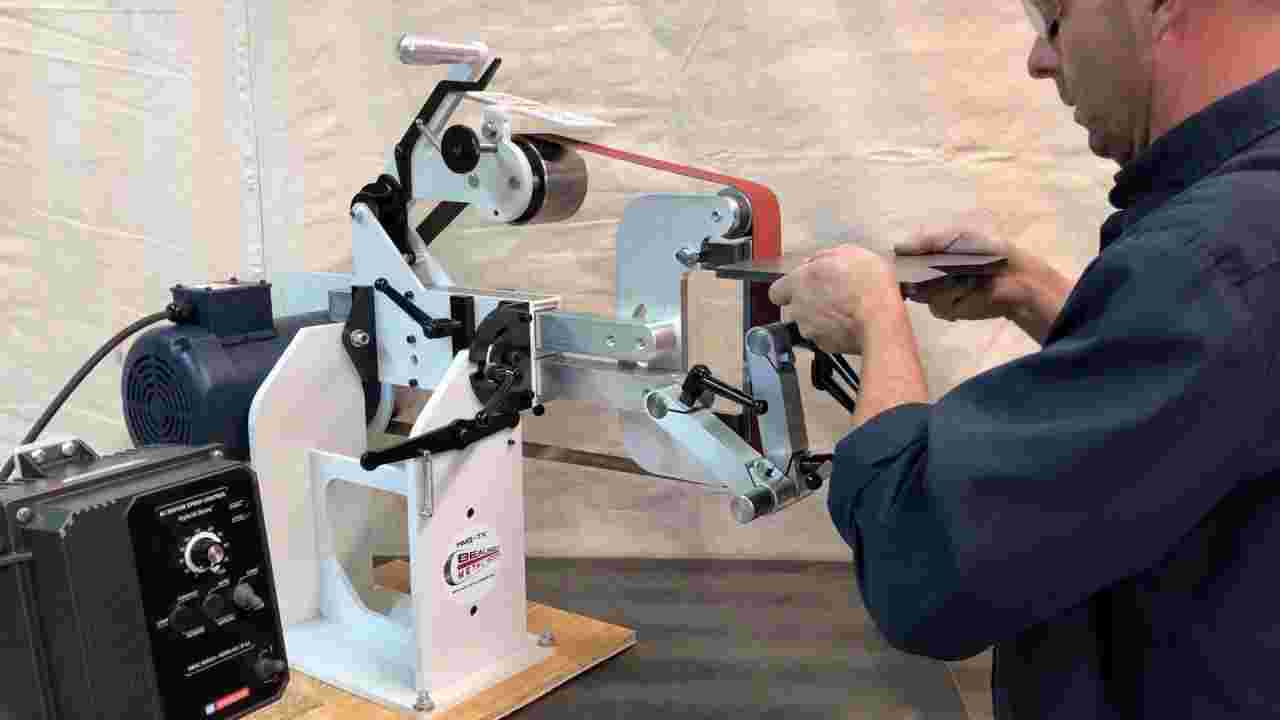
In modern manufacturing and fabrication environments, efficiency is not just a competitive advantage, it is a necessity. Metal grinders play a critical role in shaping, finishing, and preparing metal components across industries such as automotive, aerospace, construction, and heavy equipment manufacturing.
While off-the-shelf grinders may meet basic needs, custom metal grinders designed for specific applications can dramatically improve productivity, precision, safety, and cost efficiency. This article explores the principles, considerations, and benefits of designing custom metal grinders for maximum operational efficiency.
Understanding the Role of Metal Grinders
Metal grinders are used to remove excess material, smooth surfaces, sharpen edges, and prepare parts for welding or coating. Their effectiveness directly affects downstream processes. Poor grinding performance can lead to inconsistent finishes, dimensional inaccuracies, excessive tool wear, and even structural weaknesses in finished products.
Custom-designed grinders allow manufacturers to tailor machine characteristics—such as power output, abrasive selection, feed rate, and cooling systems—to the exact requirements of the material and application. This alignment between machine capability and task demand is the foundation of efficient grinder design.
Defining Application Requirements
The first step in designing a custom metal grinder is a thorough understanding of its intended use. Key questions include:
What type of metal will be processed (e.g., steel, aluminum, titanium, alloys)?
What is the hardness, thickness, and geometry of the workpiece?
Is the grinder intended for rough material removal, precision finishing, or both?
What production volume and cycle time are required?
Answering these questions helps determine the necessary motor power, spindle speed, torque, and abrasive type. For example, grinding hardened steel requires higher torque and more robust abrasives than polishing aluminum components. Designing around real operating conditions avoids overengineering while ensuring consistent performance.
Optimizing Power and Drive Systems
Efficiency in metal grinding is closely tied to how power is delivered to the grinding surface. Custom grinders allow designers to select motors and drive systems that match load demands precisely. Oversized motors waste energy and increase costs, while undersized motors lead to stalling, overheating, and premature wear.
Variable frequency drives (VFDs) are commonly integrated into custom designs to provide adjustable speed control. This flexibility allows operators to fine-tune grinding speed based on material type and task, reducing energy consumption and improving surface finish. Direct-drive systems can further enhance efficiency by minimizing mechanical losses associated with belts and gears.
Selecting the Right Abrasive Technology
Abrasives are at the heart of any grinding operation. Custom grinders can be designed to accommodate specific abrasive formats, such as belts, wheels, discs, or stones, depending on the application. The choice of abrasive material—aluminum oxide, silicon carbide, ceramic, or diamond—also plays a significant role in efficiency.
Matching abrasive properties to the workpiece material reduces grinding time, heat generation, and abrasive wear. Custom designs may include quick-change mechanisms or automated abrasive dressing systems, allowing for rapid maintenance and consistent cutting performance without frequent machine downtime.
Enhancing Precision Through Machine Design
Precision contributes directly to efficiency by reducing rework and scrap. Custom grinder frames can be engineered for rigidity and vibration dampening, which improves surface consistency and extends tool life. Precision linear guides, balanced spindles, and tight tolerances in critical components ensure stable operation even under heavy loads.
Automation features such as programmable feed rates, CNC integration, and adaptive pressure control further enhance precision. These features allow the grinder to respond dynamically to variations in material or part geometry, maintaining optimal contact and reducing operator intervention.
Managing Heat and Material Removal
Heat is a natural byproduct of metal grinding, but excessive heat reduces efficiency and can damage both the workpiece and the grinder. Custom grinders can incorporate advanced cooling solutions, such as integrated coolant systems, mist lubrication, or airflow management designs that dissipate heat effectively.
Efficient chip and debris removal is equally important. Custom enclosures, extraction ports, and filtration systems prevent buildup that can interfere with grinding performance and create safety hazards. A clean grinding environment improves visibility, reduces wear on machine components, and supports continuous operation.
Ergonomics and Operator Efficiency
Human factors are often overlooked in machine efficiency. Custom grinders can be designed with operator ergonomics in mind, improving comfort, reducing fatigue, and increasing productivity. Adjustable work heights, intuitive control layouts, and reduced vibration exposure all contribute to better operator performance.
For manual or semi-automated grinders, incorporating safety features such as guards, emergency stops, and noise reduction measures not only protects workers but also minimizes disruptions caused by accidents or regulatory issues.
Integrating Automation and Smart Technologies
Modern custom metal grinders increasingly incorporate smart technologies to maximize efficiency. Sensors can monitor parameters such as vibration, temperature, and load, providing real-time feedback and predictive maintenance alerts. This data-driven approach reduces unplanned downtime and extends machine life.
Integration with manufacturing execution systems (MES) or industrial IoT platforms allows grinders to communicate with other equipment, optimizing workflow and scheduling. Automated loading and unloading systems can further enhance throughput, particularly in high-volume production environments.
Long-Term Cost Efficiency and Scalability
While metal grinders typically require higher upfront investment than standard machines, their long-term cost efficiency is often superior. Reduced energy consumption, longer tool life, lower maintenance requirements, and improved product quality contribute to a lower total cost of ownership.
Custom designs also offer scalability. As production needs evolve, modular components or software upgrades can adapt the grinder to new tasks without requiring complete replacement. This flexibility is especially valuable in industries facing frequent design changes or fluctuating demand.
Conclusion
Designing custom metal grinders for maximum efficiency is a strategic investment that pays dividends in productivity, quality, and operational reliability. By aligning machine design with specific application requirements, optimizing power and abrasive systems, managing heat and precision, and integrating automation, manufacturers can achieve significant performance gains.
In an increasingly competitive industrial landscape, efficiency is not achieved through generic solutions. Custom metal grinders provide the tailored performance needed to meet modern manufacturing challenges, delivering consistent results while reducing waste, downtime, and costs.
 Deutsch
 English
 Arabic
 French
 Spanish
 Portuguese
 Turkish
 Dutch
Dutch
 Italiano
 Russian
 Romaian
 Portuguese (Brazil)
 Greek
Greek
