


Upper GI Disorders: Causes, Symptoms, Diagnosis, and Treatment
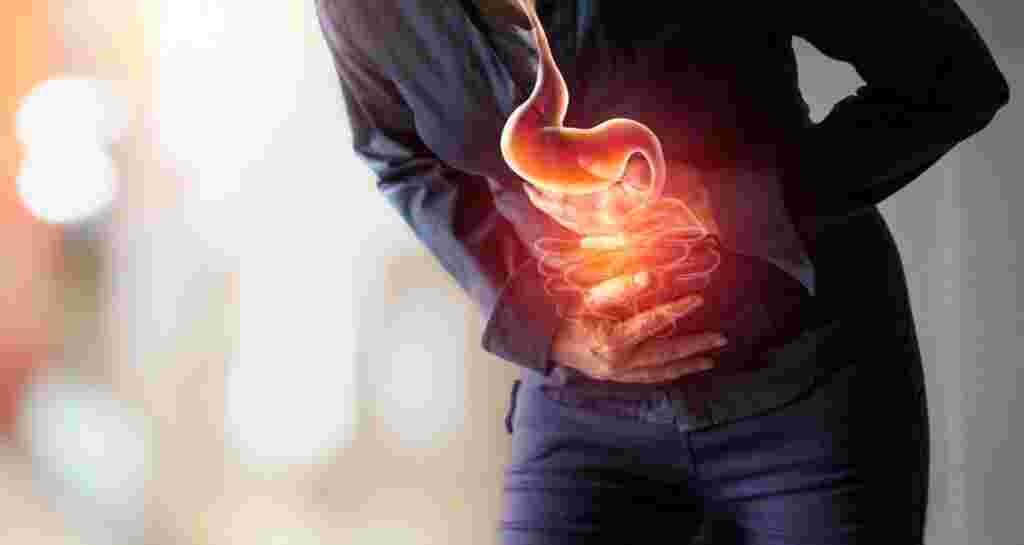
Upper gastrointestinal (GI) disorders refer to conditions that affect the upper part of the digestive system, including the esophagus, stomach, and duodenum (the first part of the small intestine). These organs play a vital role in digesting food, absorbing nutrients, and moving food through the digestive tract. When any part of the upper GI system is not functioning properly, it can lead to discomfort, pain, and other serious health issues. Understanding the causes, symptoms, and treatment options for upper GI disorders is essential for maintaining digestive health.
One of the most common upper GI disorders is gastroesophageal reflux disease (GERD). GERD occurs when stomach acid frequently flows back into the esophagus, causing irritation and inflammation. This backflow, known as acid reflux, can lead to symptoms such as heartburn, chest pain, regurgitation of food or sour liquid, and difficulty swallowing. If left untreated, GERD may result in complications like esophagitis, strictures, or Barrett’s esophagus.
Another common condition is gastritis, which refers to inflammation of the stomach lining. Gastritis can be acute (short-term) or chronic (long-lasting). It is often caused by infection with Helicobacter pylori bacteria, excessive alcohol consumption, prolonged use of nonsteroidal anti-inflammatory drugs (NSAIDs), stress, or autoimmune disorders. Symptoms may include upper abdominal pain, nausea, vomiting, bloating, and indigestion. In severe cases, gastritis can lead to ulcers or bleeding.
Peptic ulcer disease (PUD) is another significant upper GI disorder. Peptic ulcers are open sores that develop on the inner lining of the stomach or the duodenum. The most common causes are H. pylori infection and long-term use of NSAIDs such as ibuprofen or aspirin. Patients with peptic ulcers may experience burning stomach pain, especially between meals or at night, bloating, heartburn, and in severe cases, vomiting blood or passing black stools. Untreated ulcers can cause serious complications, including bleeding, perforation, or obstruction.
Esophagitis, or inflammation of the esophagus, can result from acid reflux, infections, certain medications, or allergies. It may cause painful swallowing, chest discomfort, and food getting stuck in the throat. Chronic esophagitis can damage the esophageal lining and increase the risk of long-term complications.
Another condition affecting the upper GI tract is hiatal hernia, where part of the stomach pushes up through the diaphragm into the chest cavity. This condition often contributes to GERD symptoms. While small hiatal hernias may not cause noticeable symptoms, larger ones can lead to heartburn, regurgitation, and chest pain.
Upper GI disorders can arise due to multiple risk factors. These include unhealthy eating habits, obesity, smoking, excessive alcohol use, chronic stress, bacterial infections, and certain medications. Spicy or fatty foods, caffeine, and carbonated beverages can also worsen symptoms in susceptible individuals. Identifying and managing these risk factors is a key part of prevention and treatment.
Diagnosis of upper GI disorders typically begins with a detailed medical history and physical examination. Doctors may recommend diagnostic tests such as upper endoscopy (esophagogastroduodenoscopy or EGD), which allows direct visualization of the esophagus, stomach, and duodenum using a flexible camera. Other tests may include blood tests, stool tests for H. pylori, barium swallow X-rays, or pH monitoring to measure acid levels in the esophagus.
Treatment options depend on the specific condition and its severity. Lifestyle modifications are often the first step in managing mild cases. Patients are advised to eat smaller meals, avoid trigger foods, maintain a healthy weight, quit smoking, and reduce alcohol consumption. Elevating the head while sleeping can help reduce nighttime reflux symptoms.
Medications are commonly prescribed to relieve symptoms and promote healing. Antacids can provide quick relief by neutralizing stomach acid. Proton pump inhibitors (PPIs) and H2 receptor blockers reduce acid production and are widely used for GERD, gastritis, and ulcers. If H. pylori infection is present, a combination of antibiotics and acid-suppressing medications is required to eradicate the bacteria.
In more severe cases, surgical intervention may be necessary. For example, procedures such as fundoplication can strengthen the lower esophageal sphincter to prevent acid reflux. Surgery may also be required to repair complicated hiatal hernias or treat severe ulcer complications.
Preventing upper GI disorders involves adopting healthy lifestyle habits. Eating a balanced diet rich in fruits, vegetables, and whole grains, staying hydrated, managing stress, and avoiding unnecessary use of NSAIDs can significantly reduce risk. Regular medical checkups and early treatment of symptoms can prevent complications.
In conclusion, upper GI disorders are common but manageable conditions affecting the esophagus, stomach, and duodenum. From GERD and gastritis to peptic ulcers and hiatal hernias, these disorders can cause significant discomfort if not addressed properly. Early diagnosis, appropriate medical treatment, and healthy lifestyle changes play a crucial role in maintaining digestive health. By understanding the causes and symptoms of upper GI disorders, individuals can seek timely care and improve their overall well-being.
 Portuguese
 English
 Arabic
 French
 Spanish
 Deutsch
 Turkish
 Dutch
Dutch
 Italiano
 Russian
 Romaian
 Portuguese (Brazil)
 Greek
Greek
