


How a Middle Eastern Restaurant Brings Culture to the Table Home
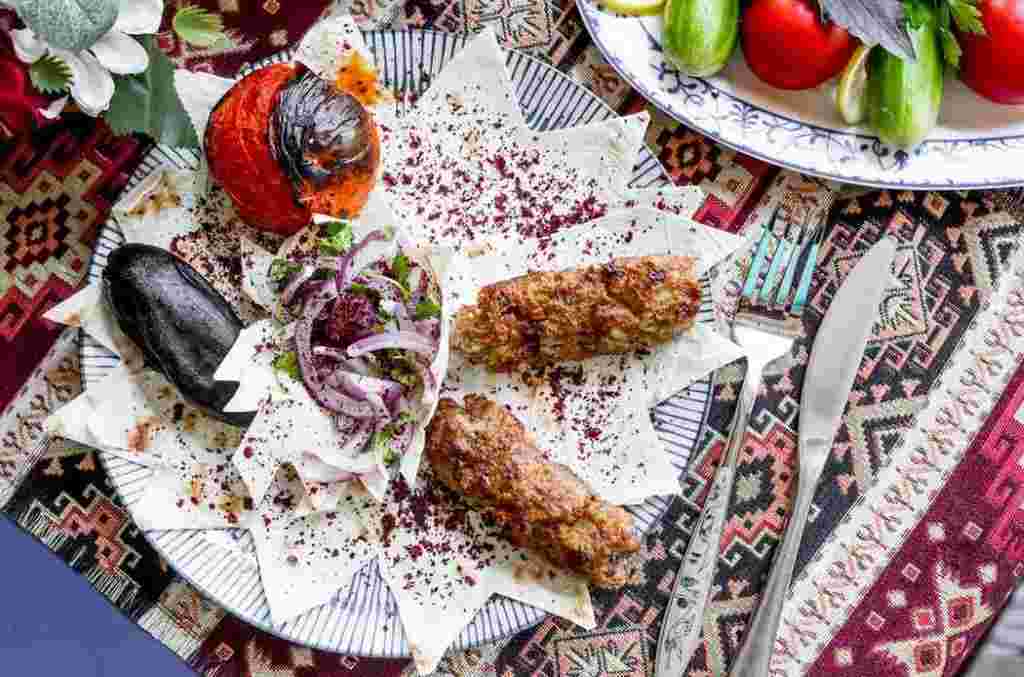
Middle Eastern restaurants share culture through every dish they serve. They preserve ancient cooking methods and traditional family recipes. Places like Nour Restaurant Sydney in Surry Hills deliver authentic Lebanese experiences. These restaurants turn meals into cultural journeys that connect people.
Food Brings Middle Eastern Culture to Your Table
There's something different about walking into a middle eastern restaurant. Maybe it's the smell of cardamom hitting you right when you open the door. Or how the staff actually looks happy to see you walk in. My first time at one, I honestly didn't know what half the menu items were. But that curiosity made everything taste better somehow. These places aren't trying to just fill your stomach. They want you to understand where the food comes from and why it matters.
Ancient Recipes Still Used Today
Here's what gets me - some of these recipes are older than most countries. Like, people were making hummus before anyone knew what America was. And they're still making it exactly the same way today.
Grandmothers' Knowledge in Every Dish
My Lebanese friend's grandmother never writes anything down when she cooks. She just knows. Her hands move automatically, adding spices without measuring cups. When I asked her how much cumin to use, she said "enough." That's how these recipes survived - through watching, practicing, and remembering. Nobody's grandmother is pulling up a recipe website. The knowledge lives in their hands and gets passed down when daughters and sons pay attention in the kitchen.
Each Country Adds Unique Flavors
People think Middle Eastern food is all the same, which is kind of like saying Italian and French food are identical because they're both European. Lebanon has its own style. Morocco does something completely different with spices. Persian cooking uses ingredients you won't find in Syrian dishes. Going to a good middle eastern restaurant is like having a passport to multiple countries. You start with Lebanese hummus, try some Moroccan chermoula, and end with Persian saffron rice. That's three different culinary traditions in one meal.
Mezze Creates Community
Mezze might be my favorite food tradition anywhere. Instead of everyone getting their own plate, small dishes go in the middle. Everybody just digs in together.
Sharing Food Builds Bonds
There's actual science behind why sharing food makes people closer. But you don't need studies to feel it happening. Last month I took my coworkers to a middle eastern restaurant for someone's birthday. We ordered a bunch of mezze. Within twenty minutes, people who barely talked at the office were laughing and telling stories. Something about reaching across the table for the same bowl of baba ghanoush just breaks the ice. You can't stay formal when your hands are literally in the same dishes.
Bread Connects Everyone
Here's what nobody tells you about Middle Eastern dining - the bread matters as much as anything else. That warm pita isn't a side dish. It's your utensil, your plate, and part of the experience. You rip off a piece, fold it around some falafel or dip it in hummus, and pass the basket to whoever's next to you. My friend told me that in her family, you never let the bread basket sit empty. Keeping it full shows you care about the people around you. It's such a simple thing but it means everything.
Hospitality Defines the Experience
The hospitality at these places hits different than regular restaurants. You know how most places are polite but you can tell they want to turn your table? Not here.
Every Guest Receives Special Care
I've been to restaurants where the owner literally sat down at our table to chat. Not to upsell us on dessert - just to talk and make sure we were happy. The portions are always bigger than what you'd expect too. When I asked why, the server said leaving someone hungry would bring shame to the restaurant. That's not a business strategy. It's a cultural value baked into how they operate. You're not Customer #47 to them. You're someone they invited into their space and need to take care of properly.
Spaces Built for Gathering
The chairs are always comfortable - have you noticed that? Not those trendy uncomfortable ones that make you leave faster. Real chairs you can actually sit in for hours. The lighting makes everyone look good instead of washing you out. There's usually artwork on the walls that actually means something instead of random prints from a furniture store. These details matter because the goal isn't to rush you out. Time moves differently once you sit down. You lose track of it, honestly, which is exactly what's supposed to happen.
Nour Restaurant Sydney Delivers Lebanese Culture
Nour Restaurant Sydney basically set the standard for Middle Eastern food in Surry Hills. I'm not exaggerating when I say it's the top middle eastern restaurant in the area. People travel across Sydney just to eat there.
What makes Nour different is how they balance everything. The food tastes like someone's Lebanese grandmother made it, but the presentation looks modern and artistic. They source ingredients obsessively - I mean, they'll reject produce if it's not perfect. The staff knows every dish's backstory and actually enjoys telling you about them. You can tell when a restaurant cares versus when they're just going through motions. Nour clearly cares. That's why locals keep coming back and why tourists frantically take photos of everything.
Traditional Cooking Takes Time
Quick cooking has its place. But not here. Some of these dishes take half a day to make properly.
Slow Cooking Develops Rich Taste
I tried making lamb stew once after eating it at a restaurant. Found a recipe online that said "simmer for 30 minutes." It tasted nothing like the restaurant version. Turns out, authentic lamb stew needs four or five hours minimum. The meat has to get so tender it falls apart when you look at it. The spices need time to really penetrate everything. Restaurants that cut corners here always get caught. Your taste buds know immediately when something was rushed. Real middle eastern restaurant kitchens build their entire day around these long cooking times.
Charcoal Grills Create Special Flavor
Electric grills are convenient and probably safer. But they can't replicate what charcoal does. That smokiness you taste on properly grilled kebabs? That's the charcoal talking. It's not just about heat - it's about the flavor the smoke adds. People figured this out thousands of years ago when fire was the only cooking option. Turns out they were onto something. Modern technology hasn't improved on this particular method yet.
Spices Define Middle Eastern Flavors
The spice situation in these kitchens is serious. We're talking dozens of jars with different blends and individual spices. Each one matters.
Regional Blends Tell Stories
Every region guards its spice blend secrets like family recipes. Lebanese seven-spice has a completely different personality than what you'd find in a Moroccan kitchen. The Silk Road brought these spices across continents centuries ago. Traders would experiment, share ideas, and create new combinations. What you're tasting today is the result of literally hundreds of years of trial and error. Pretty wild when you think about it that way.
Fresh Ingredients Matter
You can't fake your way through Middle Eastern cooking with average ingredients. The difference between okay tomatoes and perfect tomatoes changes everything.
Fresh parsley isn't optional or decorative. It's a main ingredient in tabbouleh. The olive oil needs to be high quality or the whole dish falls flat. I've watched chefs smell cucumbers before buying them. That level of pickiness matters. Good middle eastern restaurant owners have relationships with specific farmers and suppliers. They'll change what's on the menu based on what's actually in season rather than forcing ingredients that aren't at their peak.
Desserts Celebrate Life
The desserts deserve their own conversation. They're not holding back on sweetness here.
Baklava is basically layers of phyllo dough with nuts and honey syrup. Sounds simple but making it right requires serious skill. Rose water shows up everywhere, adding this floral element you don't find in Western desserts. These sweets come out at weddings, holidays, and random Tuesdays. The culture doesn't save sweetness for special occasions only. Life itself is a special occasion worth celebrating. Sitting around after dinner with tiny coffee cups and sticky fingers from baklava - that's when the best conversations happen.
All Senses Get Engaged
Eating at a middle eastern restaurant isn't just about taste. Your whole body gets involved in the experience.
The music playing might be oud or traditional drums. It stays in the background but sets this mood you can't quite explain. The plates come out looking like art projects with all their colors arranged perfectly. Those spices you smell become almost visible in the air. And picking up food with your hands instead of metal utensils changes how you experience it. Everything works together. You're completely immersed without even realizing it's happening.
Tips for Your Dining Experience
-
Get mezze platters even if you're not sure what's in them
-
Try at least one thing you can't pronounce
-
Ask servers for their personal favorites, not what's popular
-
Let the meal take as long as it takes
-
Use bread for everything instead of asking for forks
-
Order the Arabic coffee even if you think it'll be too strong
-
Share dishes around instead of guarding your own plate
-
Say yes to spices that sound unfamiliar
Cultural Restaurants Build Understanding
Food breaks down walls faster than almost anything else. It's hard to fear or misunderstand people after you've eaten their grandmother's recipes.
These restaurants teach without lecturing. You learn about generosity through the portion sizes. You understand hospitality through how you're treated. Community makes sense when you're sharing mezze. Younger people with Middle Eastern restaurant reconnect with their roots here. People with zero connection to the culture get introduced to it in the most welcoming way possible. Something shifts when you share a meal. Differences become less important than similarities.
Tradition Works in Modern Settings
Some people think traditional means old-fashioned or outdated. These restaurants prove that's nonsense. Ancient cooking methods still produce the best results.
Customers today actually want authentic handmade food more than ever. We're tired of processed and mass-produced everything. The patience required for traditional cooking feels almost radical in our fast-paced world. Places like Nour Restaurant show you don't have to choose between honoring tradition and running a successful modern business. They prove both things can exist together beautifully.
Culture Lives in Every Dish
Every service at a middle eastern restaurant keeps traditions alive. The doors open to anyone interested, regardless of background or familiarity with the culture. What begins as simple hunger turns into education, connection, and joy.
Nour Restaurant Sydney demonstrates this perfectly in Surry Hills. They honor Lebanese heritage daily while welcoming everyone. New memories get created while old traditions continue. Next time you sit down at a middle eastern restaurant, pay attention to what's really happening. You're not just ordering dinner. Each bite connects you to people who lived centuries ago. The hospitality you experience doesn't recognize cultural boundaries or differences. You're bringing an entire culture home just by choosing to eat there. That's pretty powerful for a simple meal.
 Dutch
Dutch
 English
 Arabic
 French
 Spanish
 Portuguese
 Deutsch
 Turkish
 Italiano
 Russian
 Romaian
 Portuguese (Brazil)
 Greek
Greek
