


The Complete Guide to Insurance Claim Investigations in Today’s Market
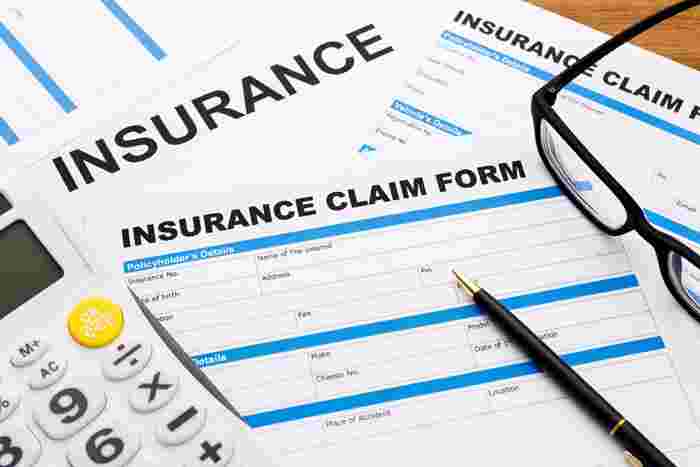
Insurance is an indispensable part of modern life, offering financial protection against loss, damage, illness, and liability. Whether it’s auto, health, home, or commercial insurance, the goal is to provide peace of mind.
However, for this system to function fairly and sustainably, there must be mechanisms in place to ensure that claims are valid, compliant, and not fraudulent. That’s where insurance claim investigations come in.
In today’s market, characterized by fast-moving technology, evolving fraud schemes, and heightened regulatory scrutiny, understanding claim investigations is essential for insurers, policyholders, and professionals in the field. This guide takes a comprehensive look at how claim investigations operate, why they matter, trends shaping their evolution, and how they impact the industry and consumers.
What Are Insurance Claim Investigations?
At its core, an insurance claim investigation is a thorough evaluation of an insurance claim to verify its legitimacy, accuracy, and compliance with policy terms. The goal is to determine:
· Whether the event actually occurred
· The extent of loss or damage
· If the claim is covered under the policy
· Whether any fraud or misrepresentation occurred
These investigations are performed by specially trained personnel such as claims adjusters, forensic specialists, private investigators, medical experts, and legal advisors.
Why Claim Investigations Matter
1. Preventing Fraud and Abuse
Fraudulent claims cost the insurance industry billions every year. False injury claims, exaggerated damages, and staged accidents increase costs for insurers and, ultimately, policyholders. Proper investigations help:
· Detect fraud early
· Deter future fraudulent activity
· Protect honest policyholders by keeping premiums fair
2. Ensuring Fair Payouts
Not all claims are fraudulent; many are legitimate but may be exaggerated or unclear. Investigations bring clarity to the facts, ensuring fair compensation based on evidence.
3. Regulatory Compliance
Insurance companies operate under strict local and international laws. Investigations ensure compliance with regulations and protect companies from legal exposure.
4. Risk Management
Through investigations, insurers learn about emerging risk patterns—like new fraud trends or previously unknown vulnerabilities, which inform underwriting and pricing strategies.
Who Conducts Insurance Claim Investigations?
A variety of professionals may be involved:
Claims Adjusters
Frontline investigators who assess damage, interview stakeholders, and gather documentation.
Forensic Experts
Specialists in areas like accident reconstruction, financial audits, or digital evidence.
Private Investigators
Hired when there’s suspicion of fraud or when cases require specialized investigative skills.
Medical Professionals
Assess medical reports, injury legitimacy, and treatment consistency.
Legal Advisors
Ensure investigations and decisions comply with legal standards.
The Claims Investigation Process
While the process varies by insurer and claim type, the typical steps include:
1. Initial Claim Intake
The policyholder reports the incident. This includes basic details, photos, initial documentation, and witness contacts.
2. Assignment to Investigator
An adjuster or investigation team is assigned based on claim complexity.
3. Evidence Gathering
This is the heart of the investigation:
Document reviews (policies, receipts, medical reports)
Interviews (claimant, witnesses, experts)
Site visits and physical inspections
Digital evidence collection (phone records, surveillance footage)
4. Analysis
Investigators evaluate the facts, compare them to policy terms, and identify inconsistencies or red flags.
5. Determination and Reporting
A formal report is generated, outlining findings, conclusions, and recommended action (approval, denial, or settlement).
6. Resolution and Follow-Up
Claims are either paid, negotiated, or denied. In fraud cases, legal action may follow.
Common Challenges in Today’s Market
Fraud is Becoming More Sophisticated
Organized fraud rings, staged accidents, identity theft, and fake documentation make detection harder.
Volume and Complexity of Data
Investigators now sift through massive amounts of digital data—phones, wearables, social media, telematics, CCTV footage—which can help but also overload teams.
Privacy and Legal Constraints
Strict regulations like GDPR and local privacy laws restrict how data can be accessed and used.
High Expectations from Customers
Claimants expect fast settlements, but thorough investigations take time—balancing speed with accuracy is a constant challenge.
Tools and Technologies Shaping Modern Investigations
Technology has transformed how investigations are conducted:
Artificial Intelligence (AI)
AI algorithms analyze patterns and flag suspicious claims faster than manual review.
Machine Learning
Learns from past claims to identify anomalies indicative of fraud.
Data Analytics
Big data platforms correlate multiple data sources — from claims history to public records — to improve risk detection.
Telematics and IoT
Especially in auto insurance, data from connected devices (like vehicle sensors) provides precise information on incidents.
Digital Forensics
Specialized software retrieves and analyzes electronic data — from phones to cameras — to verify narratives.
Blockchain
Ensures tamper-proof records, enhancing trust in documentation.
Best Practices for Effective Claim Investigations
Maintain Clear Policies
Transparent procedures reduce confusion and ensure consistency in investigations.
Train Investigators Continuously
Regular updates on fraud trends and new technologies keep teams sharp.
Use Data Intelligently
Leverage analytics while respecting legal and privacy boundaries.
Collaborate With Experts
External specialists can add valuable objectivity and expertise.
Communicate with Policyholders
Clear communication helps manage expectations and builds trust, especially in legitimate claims.
Impact on Policyholders
While investigations are necessary, they can feel intrusive or slow to honest policyholders. Key considerations for consumers include:
Documentation is Critical
Accurate, organized evidence (photos, receipts, logs) speeds up the process.
Be Transparent
Honest disclosure from the outset reduces delays and suspicion.
Know Your Rights
Policyholders should understand their contract terms and legal protections.
Respond Promptly to Requests
Delays in providing information can prolong reviews or risk denial.
Regulatory and Ethical Considerations
Investigations must balance fraud detection with fairness and compliance. Regulators require:
· Proper handling of personal data
· Non-discriminatory practices
· Due process for claimants (opportunity to explain findings)
· Transparent reasoning for denials
Ethically, insurers must pursue integrity without harassing or unfairly questioning honest claimants.
Future Trends in Insurance Claim Investigations
The future of claim investigations will continue to evolve:
Increased Digitization
Fully digital claim filing, AI triage, and automated workflows will become standard.
Predictive Analytics
Predictive models will forecast not only fraud likelihood but also claim outcomes and costs.
Real-Time Evidence Capture
Wearables and telematics will provide instant incident data, reducing ambiguity.
Cross-Industry Collaboration
Information sharing between insurers, law enforcement, and public databases will enhance fraud detection.
Enhanced Customer Experience
Automated communication, self-service portals, and transparent case tracking will improve satisfaction even in rigorous investigations.
Conclusion
Insurance claim investigations are the backbone of today’s insurance ecosystem. They ensure that the system functions fairly, costs are controlled, and honest policyholders receive what they’re entitled to. While challenges like sophisticated fraud and data complexity continue to evolve, so too do the tools and practices that make investigations more effective and efficient.
For companies, staying updated with technology and regulation is vital. For policyholders, understanding the process and cooperating transparently can make claims smoother and fairer. Ultimately, robust investigations help maintain trust, the most valuable currency in insurance.
 Italiano
 English
 Arabic
 French
 Spanish
 Portuguese
 Deutsch
 Turkish
 Dutch
Dutch
 Russian
 Romaian
 Portuguese (Brazil)
 Greek
Greek
