


Hepatitis B and HBsAg Testing: Symptoms, Risks, and Treatment Options
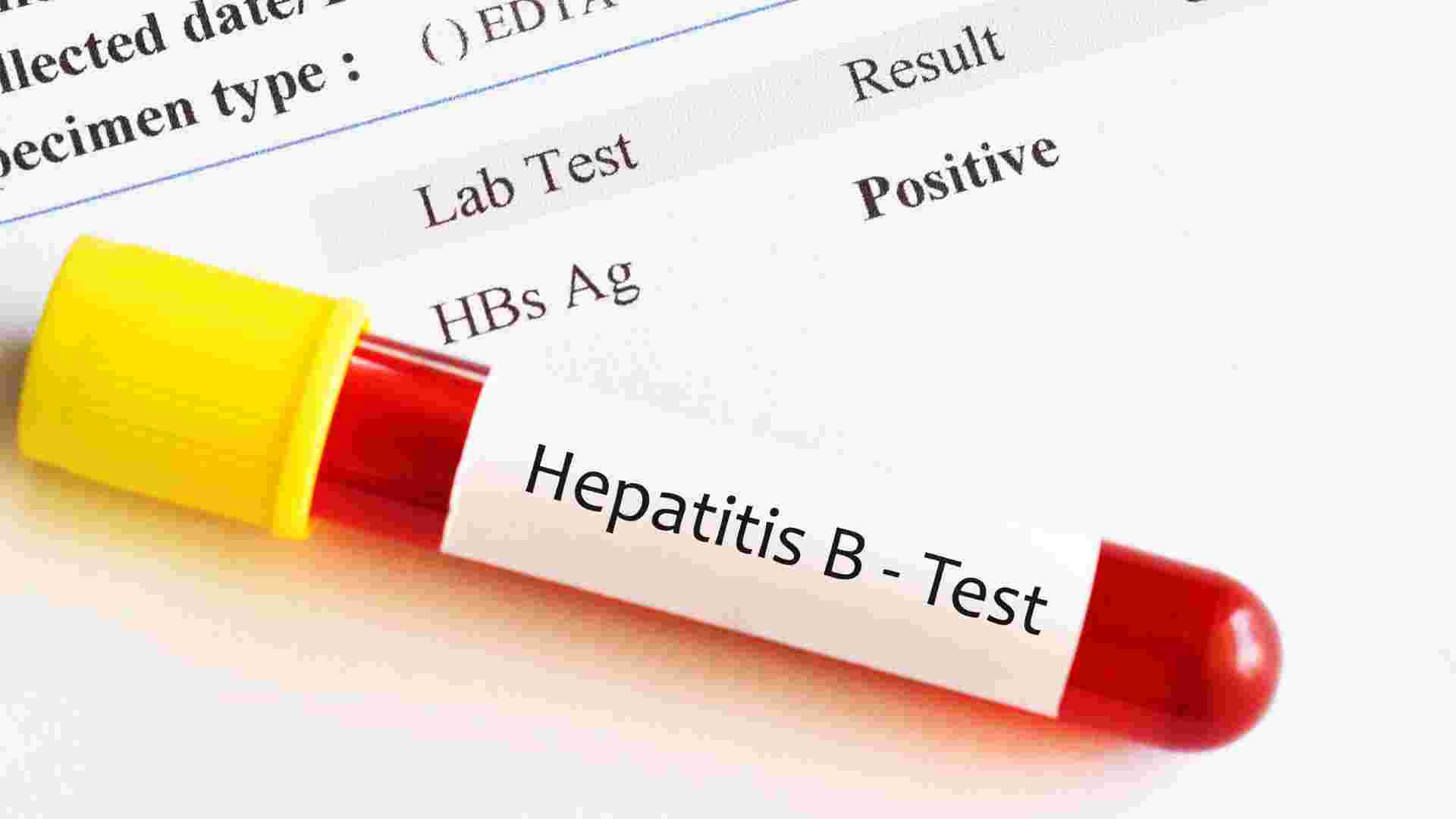
Hepatitis B is a viral infection that affects the liver, causing inflammation and potentially leading to chronic liver disease. Understanding the symptoms, risks, and treatment options is crucial to managing the disease. Early diagnosis through tests like the HBsAg (Hepatitis B Surface Antigen) test can be a game-changer in detecting the infection early and ensuring proper treatment. This blog will cover the essential aspects of Hepatitis B, its risks, and the importance of HBsAg testing.
What is Hepatitis B and How Does it Affect the Liver?
Hepatitis B is caused by the Hepatitis B virus (HBV), which can be transmitted through contact with infected blood or bodily fluids. This includes unprotected sex, sharing needles, or from mother to child during childbirth. The virus primarily targets the liver, causing both acute and chronic infections. Acute Hepatitis B can lead to symptoms such as fatigue, abdominal pain, and jaundice, whereas chronic Hepatitis B can result in more severe liver conditions, including cirrhosis and liver cancer.
The liver plays a vital role in filtering toxins, producing proteins, and supporting digestion. When the liver is damaged due to Hepatitis B, its ability to function is compromised, leading to a range of health problems. The infection can be life-threatening if left untreated, which makes early detection and proper medical intervention critical.
Symptoms of Hepatitis B: How to Recognize the Infection
Many individuals with Hepatitis B may not show symptoms, especially during the early stages. This is why the virus can go undiagnosed until it reaches a more advanced stage. However, common symptoms include:
- Fatigue: One of the most common symptoms, making even basic tasks feel exhausting.
- Abdominal Pain: Pain, particularly in the upper right side of the abdomen where the liver is located.
- Jaundice: Yellowing of the skin and eyes.
- Dark Urine: Urine may turn darker due to bilirubin buildup in the blood.
- Loss of Appetite: Reduced desire to eat, often accompanied by nausea or vomiting.
- Fever: A mild fever may accompany the infection in some cases.
In chronic Hepatitis B, the symptoms may remain mild or absent, but the virus can still damage the liver over time. This is why individuals at risk, such as those who have a history of exposure to the virus or have been vaccinated against Hepatitis B, should monitor their health regularly through tests.
Risk Factors: Who is Most at Risk for Hepatitis B?
Anyone can contract Hepatitis B, but certain groups are at higher risk. These include:
- Individuals with multiple sexual partners: Unprotected sex with an infected partner is one of the primary modes of transmission.
- Healthcare workers: Due to potential exposure to infected blood, healthcare professionals are more likely to contract the virus.
- People who inject drugs: Sharing needles can spread the virus.
- Infants born to infected mothers: Hepatitis B can be transmitted from mother to child during childbirth.
- Travelers to endemic areas: Some regions of the world, especially parts of Asia and sub-Saharan Africa, have higher rates of Hepatitis B.
- People with compromised immune systems: Those with conditions such as HIV are at a higher risk of chronic infection.
Individuals in these high-risk groups should consider getting regular Hepatitis B testing, especially the HBsAg test, which is crucial in diagnosing the virus early.
The Importance of HBsAg Testing in Diagnosing Hepatitis B
The HBsAg test is used to detect the presence of the Hepatitis B surface antigen in the blood. The surface antigen is a protein found on the surface of the Hepatitis B virus, and its presence indicates an active infection. The test is essential in diagnosing both acute and chronic Hepatitis B infections. Here's why:
- Early Detection: The test can detect the virus in the early stages, even before symptoms appear. This allows for early intervention and treatment, preventing liver damage.
- Chronic Infection Monitoring: For individuals with chronic Hepatitis B, the HBsAg test helps monitor the progression of the infection and assess the need for treatment.
- Preventing Spread: Early diagnosis also reduces the risk of transmission to others. If an individual is diagnosed with Hepatitis B, they can take steps to prevent spreading the virus.
If you are at risk of Hepatitis B or have a family history of the disease, getting an HBsAg test is the first step in managing your health.
Treatment Options for Hepatitis B: Managing the Infection
While there is no complete cure for Hepatitis B, there are treatment options that can help manage the infection and prevent further liver damage. The approach depends on whether the infection is acute or chronic:
Acute Hepatitis B
For most people with acute Hepatitis B, the virus is cleared from the body on its own, and no treatment is required. However, supportive care, such as rest, hydration, and pain relief, can help manage symptoms during the acute phase.
Chronic Hepatitis B
Chronic Hepatitis B requires long-term management, which may include:
- Antiviral Medications: Drugs like tenofovir and entecavir can help suppress the virus, reduce liver inflammation, and prevent liver damage.
- Interferon Therapy: In some cases, doctors may recommend interferon therapy to help boost the immune system's ability to fight the virus.
- Regular Monitoring: Individuals with chronic Hepatitis B require regular check-ups, including liver function tests, ultrasounds, and possibly biopsies to monitor for liver damage.
In addition to antiviral medications, maintaining a healthy lifestyle with a balanced diet, avoiding alcohol, and quitting smoking can help improve overall liver health.
Preventing Hepatitis B: Vaccination and Safe Practices
One of the most effective ways to prevent Hepatitis B is through vaccination. The Hepatitis B vaccine is safe, widely available, and highly effective in preventing infection. The vaccine is recommended for:
- All infants at birth
- Unvaccinated children and adults at risk
- Healthcare workers
- Individuals in high-risk groups, such as those with multiple sexual partners or people who inject drugs
In addition to vaccination, practicing safe sex, using clean needles, and ensuring proper screening of blood products can further reduce the risk of Hepatitis B.
Book Your HBsAg Test from Chughtai Lab via InstaCare and Get 20% Discount
If you suspect you may have Hepatitis B or are at risk, getting an HBsAg test is essential for early diagnosis and treatment. Book your HBsAg test from Chughtai Lab through InstaCare and enjoy a 20% discount. This convenient service ensures that you get accurate results promptly, so you can take the necessary steps towards better health.
Conclusion
Hepatitis B is a serious viral infection that affects millions worldwide. Early detection through HBsAg testing is crucial for preventing liver damage and reducing the spread of the virus. With proper treatment and lifestyle adjustments, individuals living with Hepatitis B can manage the infection and live healthy lives. Don't wait for symptoms to appear—schedule your HBsAg test today.
Frequently Asked Questions (FAQs)
- What does the HBsAg test detect? The HBsAg test detects the Hepatitis B surface antigen, which is a protein present on the surface of the Hepatitis B virus. Its presence indicates an active infection.
- Can Hepatitis B be cured? While there is no complete cure for Hepatitis B, antiviral medications can help manage the infection and prevent further liver damage. Chronic Hepatitis B requires ongoing treatment.
- How can I prevent Hepatitis B? The best way to prevent Hepatitis B is through vaccination. Additionally, practicing safe sex, avoiding sharing needles, and ensuring blood products are properly screened can reduce the risk of infection.
 Spanish
 English
 Arabic
 French
 Portuguese
 Deutsch
 Turkish
 Dutch
Dutch
 Italiano
 Russian
 Romaian
 Portuguese (Brazil)
 Greek
Greek
