


How to Maintain Your UPVC Door Lever for Smooth Operation
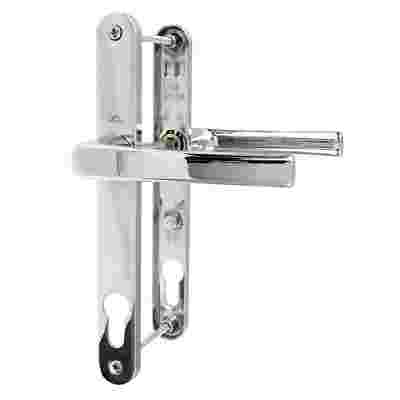
UPVC doors have become increasingly popular in modern homes due to their durability, low maintenance, and energy efficiency. One key component of these doors is the lever handle, which allows for easy operation and contributes to the overall security of your home.
However, over time, even the most robust UPVC door levers can become stiff, sticky, or difficult to operate. Proper maintenance not only ensures smooth functionality but also prolongs the lifespan of the hardware. In this article, we will explore practical steps to maintain your door lever for optimal performance.
Understanding Your UPVC Door Lever
Before diving into maintenance techniques, it is important to understand the mechanics of a UPVC door lever. Typically, these levers operate a multi-point locking system that secures the door at multiple points along the frame.
When you push down the lever, a series of gears and rods engage the lock, retracting the latch and allowing the door to open. Due to this mechanical operation, dirt, dust, and a lack of lubrication can easily impair the lever’s smooth movement.
Additionally, the lever’s material and finish can affect maintenance needs. Most UPVC door levers are made from zinc alloy or stainless steel and coated with a corrosion-resistant finish. Despite their durability, these materials can develop scratches or tarnish over time if not properly cared for.
Signs Your Door Lever Needs Maintenance
Recognizing the early signs of wear or malfunction is crucial. Some common indicators include:
Stiff Movement: The lever is hard to push down or feels resistant.
Sticky or Jamming Action: The lever may stick mid-motion or fail to return to its original position.
Loose Handle: A wobbly handle can signal loose screws or internal wear.
Misaligned Latch: Difficulty in engaging or releasing the lock may indicate misalignment.
Unusual Noises: Squeaks or grinding sounds during operation often suggest a need for lubrication.
Addressing these issues early can prevent more serious problems, such as damage to the locking mechanism or the door frame.
Tools and Materials You’ll Need
Maintaining a door lever is a straightforward task if you have the right tools and supplies. Here’s a basic checklist:
· Screwdriver (usually a Phillips or flathead, depending on your lever)
· Lubricant (silicone-based spray is ideal for UPVC)
· Soft cloth or microfiber towel
· Mild soap and water solution
· Fine brush or old toothbrush
Hex key or Allen wrench (if your handle has internal screws)
WD-40 or other multipurpose lubricants (optional for stubborn mechanisms)
Having these items ready ensures a smooth and efficient maintenance process.
Step-by-Step Guide to Maintain Your Door Lever
1. Clean the Lever and Surrounding Area
Start by cleaning the lever and the door surface. Use a soft cloth dipped in a mild soap and water solution to remove dirt, dust, and grime. Avoid abrasive cleaners, as they can scratch the lever’s finish. Pay special attention to the areas around the spindle, latch, and keyhole if applicable. For stubborn debris, a soft brush or an old toothbrush works well to reach tight spots.
2. Tighten Loose Screws
Check the screws holding the lever in place. Over time, these can loosen due to regular use. Using a screwdriver or Allen wrench, gently tighten the screws without over-torquing, which could strip the threading or damage the handle. Ensure the lever sits firmly on the door without wobbling.
3. Lubricate the Mechanism
Lubrication is crucial for smooth operation. Apply a silicone-based lubricant to the moving parts of the lever and the latch mechanism. Avoid petroleum-based oils as they can damage UPVC and attract dust. Spray lightly along the spindle and inside the latch area. Press the lever up and down several times to work the lubricant into the mechanism. Repeat as necessary to ensure smooth movement.
4. Check the Locking Mechanism
For doors with a multi-point locking system, ensure that all locking points are engaging correctly. Misalignment can cause the lever to feel stiff or jam. If necessary, adjust the locking points according to the manufacturer’s instructions. Some doors allow minor adjustments via screws or cams to realign the mechanism.
5. Inspect for Wear or Damage
Regularly inspect the lever and latch for signs of wear, corrosion, or damage. A scratched or bent lever may affect performance, while a worn latch can prevent the door from locking securely. Replace any components showing significant wear to maintain both functionality and security.
6. Maintain the Door Frame and Hinges
Smooth lever operation is not only about the handle itself but also the door alignment. Check that the door sits properly in the frame and that the hinges are lubricated. Misaligned doors can put stress on the lever and locking mechanism, causing stiffness or damage over time.
7. Seasonal Maintenance
UPVC levers benefit from seasonal maintenance, especially in climates with high humidity or temperature fluctuations. Cleaning and lubricating the mechanism every six months can prevent the buildup of grime, reduce wear, and keep the lever operating smoothly throughout the year.
Tips for Long-Term Care
Avoid Excessive Force: Never slam or force the lever if it feels stuck. This can bend the spindle or damage the lock.
Use Appropriate Lubricants: Stick to silicone-based or graphite lubricants suitable for UPVC hardware.
Keep It Clean: Regular cleaning prevents the buildup of dust and grime that can affect performance.
Check Alignment Regularly: Even small shifts in door alignment can impact lever operation.
Professional Inspection: For complex locking systems, consider having a professional check the door annually.
Common Mistakes to Avoid
Using Oil-Based Lubricants: Petroleum-based oils can degrade UPVC and attract dust, leading to more friction.
Over-Tightening Screws: This can strip threads or damage the handle.
Ignoring Minor Stiffness: Small resistance issues often precede more serious mechanical failures.
Forcing the Handle: Pushing a stuck lever can bend internal components or break the latch.
By avoiding these mistakes, you can ensure that your door lever remains functional for years.
When to Replace Your UPVC Door Lever
Despite proper maintenance, there are situations when replacement is the best option. Signs include:
Persistent stiffness or jamming despite lubrication.
Visible corrosion or cracks in the handle.
Repeated loosening of screws.
Difficulty in engaging the locking mechanism.
UPVC levers are widely available and relatively easy to replace. Matching the design and finish to your existing door ensures aesthetic consistency and maintains security.
Conclusion
Maintaining your UPVC door lever is a simple yet essential task that ensures smooth operation, prolongs hardware life, and preserves the security of your home. Regular cleaning, careful lubrication, and inspection for wear can prevent many common problems. By following the steps outlined in this guide, you can enjoy a door lever that operates effortlessly, year after year. Remember, a little preventative care goes a long way in keeping your UPVC doors functional and looking their best.
 English
 Arabic
 French
 Spanish
 Portuguese
 Deutsch
 Turkish
 Dutch
Dutch
 Italiano
 Russian
 Romaian
 Portuguese (Brazil)
 Greek
Greek
