


How Does Sharing Economy Support Sustainable Development?
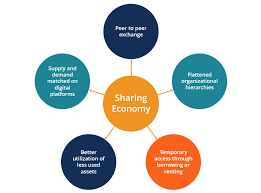
The sharing economy has transformed how people access goods and services by emphasizing use over ownership. Instead of buying products that are used occasionally, individuals can share, rent, or exchange resources through digital platforms and community networks. This model supports sustainable development by reducing waste, conserving resources, encouraging economic inclusion, and promoting responsible consumption.
Understanding the Sharing Economy
The sharing economy refers to systems where individuals or organizations share access to assets such as vehicles, homes, tools, skills, or workspace. Technology enables these exchanges by connecting users directly, making sharing convenient and efficient. Common examples include ride-sharing, home-sharing, coworking spaces, peer-to-peer rentals, and community tool libraries.
At its core, the sharing economy optimizes resource use. Rather than producing more goods, it maximizes the value of what already exists.
Reducing Resource Consumption
One of the most important contributions of the sharing economy to sustainability is reducing the demand for new products. When multiple people share one item instead of owning separate ones, fewer resources are required for manufacturing.
For example:
-
Car-sharing reduces the need for vehicle production.
-
Tool-sharing prevents the purchase of rarely used equipment.
-
Clothing rental services reduce fast-fashion waste.
This decrease in production helps conserve raw materials, energy, and water while lowering environmental impact.
Minimizing Waste and Promoting Circular Use
The sharing economy supports a circular approach to consumption, where products are reused, repaired, and kept in circulation for longer periods.
Benefits include:
-
Extending product lifecycles
-
Reducing landfill waste
-
Encouraging repair and reuse culture
By keeping items in use rather than discarded, the sharing economy helps shift society from a “throwaway culture” to a sustainability-focused mindset.
Lowering Carbon Emissions
Shared services often lead to fewer vehicles on the road, reduced manufacturing emissions, and more efficient energy use.
Key impacts include:
-
Ride-sharing reduces fuel consumption and traffic congestion.
-
Shared workspaces decrease commuting needs.
-
Renting instead of buying reduces production-related emissions.
These factors collectively contribute to climate change mitigation and environmental protection.
Encouraging Responsible Consumption
The sharing economy promotes mindful consumption by shifting focus from ownership to access. When people pay for temporary use instead of purchasing items, they become more conscious of their consumption habits.
This behavioral shift encourages:
-
Reduced overconsumption
-
Value-based purchasing decisions
-
Increased awareness of environmental impact
Such responsible consumption aligns with sustainable development goals centered on reducing environmental pressure.
Supporting Economic Inclusion
Sustainable development includes social and economic dimensions, not just environmental protection. The sharing economy creates new income opportunities and improves access to resources.
Benefits include:
-
Individuals can earn income by sharing assets or skills.
-
Affordable access to transportation, housing, and tools.
-
Lower financial barriers for entrepreneurship.
This model empowers communities, supports local economies, and improves financial resilience.
Strengthening Community Connections
Sharing systems encourage cooperation and trust among users. Community-based sharing initiatives, such as neighborhood libraries, skill-sharing programs, and local ride-sharing networks, strengthen social bonds.
Stronger communities contribute to sustainable development by promoting cooperation, reducing inequality, and encouraging collective responsibility.
Supporting Urban Sustainability
In urban areas, the sharing economy helps reduce congestion, pollution, and space constraints. Shared mobility services reduce parking needs and traffic density, while shared offices optimize building usage.
Cities benefit through:
-
Improved transportation efficiency
-
Reduced infrastructure strain
-
More sustainable land use
These advantages contribute to smarter and greener urban development.
Challenges and Considerations
Despite its benefits, the sharing economy faces challenges that must be addressed to ensure sustainability:
-
Regulatory and safety concerns
-
Worker rights and fair wages
-
Environmental claims that may not always hold true
-
Over-commercialization reducing community focus
To truly support sustainable development, sharing platforms must operate ethically, transparently, and responsibly.
The Future of the Sharing Economy and Sustainability
As awareness of climate change and resource scarcity grows, the sharing economy is likely to expand further. Innovations in technology, supportive policies, and consumer awareness will strengthen its role in sustainability.
Future growth may include:
-
Expansion of community-based sharing initiatives
-
Increased focus on eco-friendly platforms
-
Integration with smart city infrastructure
-
Policies promoting shared resource use
Conclusion
The sharing economy supports sustainable development by reducing resource consumption, minimizing waste, lowering emissions, promoting responsible consumption, and improving economic inclusion. By prioritizing access over ownership, it encourages efficient resource use while strengthening communities and supporting environmental goals.
While challenges remain, responsible implementation and ethical practices can ensure that the sharing economy continues to contribute to a more sustainable, equitable, and resilient future.
 Romaian
 English
 Arabic
 French
 Spanish
 Portuguese
 Deutsch
 Turkish
 Dutch
Dutch
 Italiano
 Russian
 Portuguese (Brazil)
 Greek
Greek
