


Which Fan Filter Media Best Protects Your Equipment?
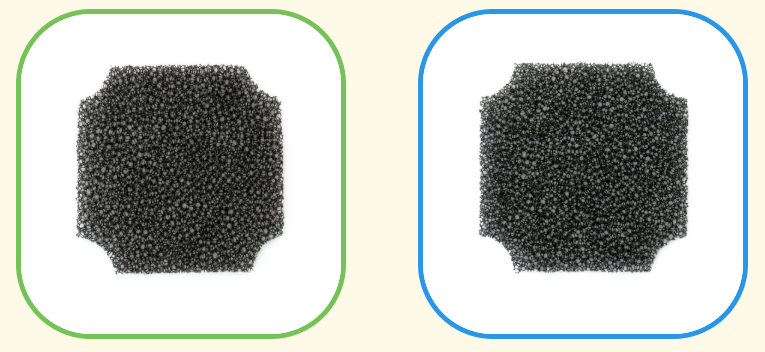
In industrial and commercial environments where air quality and equipment longevity are critical, choosing the right fan filter can make all the difference. Fan filters not only protect your machinery from dust and debris but also improve airflow efficiency, reduce maintenance costs, and extend operational life. With a variety of materials and designs available on the market, it’s important to understand both Fan Filter Media and how different foam media types perform under real-world conditions.
This guide explores everything you need to know about Fan Filter Media, why premium options like polyurethane foam stand out, and how to choose the best solution for your application. We’ll also include a helpful feature and benefit table and answer common questions to support your decision.
What Is Fan Filter Media?
Fan filter media is the core material used within fan filters to trap airborne particles, contaminants, and debris before they enter sensitive equipment or cleanroom environments. Think of it as the first line of defense in your air management strategy. Effective fan filter media not only captures harmful particles but also allows adequate airflow to keep systems running efficiently.
Among the most trusted materials for fan filter media is premium polyurethane foam. It combines durability, washability, and excellent particle-capture properties, making it ideal for industrial applications where air quality and equipment protection are top priorities.
Why Polyurethane Foam Is Preferred for Fan Filter Media
When choosing a fan filter, the media inside determines how well it performs. Polyurethane foam offers several distinct advantages over traditional filter materials:
🛡️ Durable and Long-Lasting
Polyurethane foam resists tearing and deformation even under continuous airflow, meaning you won’t need to replace filters as frequently.
🌀 Superior Airflow With Dust Capture
The open-cell structure allows airflow while trapping dust and larger particulate matter efficiently.
🔄 Washable and Reusable
Unlike paper or fiberglass media, polyurethane foam can often be cleaned and reused, reducing waste and long-term costs.
🌡️ Stable Across Temperature Variations
Polyurethane remains reliable in a wide temperature range, ideal for factory floors, HVAC systems, and enclosure ventilation.
Together, these advantages make fan filter media crafted from premium polyurethane foam an excellent choice for environments with demanding operational requirements.
Common Uses of Fan Filter Media
Fan filter media plays a role in many sectors, including:
-
Industrial Equipment Ventilation
-
HVAC Systems
-
Control Panels & Electrical Enclosures
-
Data Centers & Server Racks
-
Manufacturing, Packaging, and Food Processing
-
Cleanrooms & Laboratories
In all these settings, the goal is consistent: block contaminants without throttling airflow.
Feature & Benefit Table: Premium Fan Filter Media
| Feature | Benefit | Ideal For |
|---|---|---|
| Premium Polyurethane Foam | Durable and long-lasting | High-use industrial sites |
| Open-Cell Structure | Efficient air flow | HVAC & continuous fan systems |
| Washable & Reusable | Reduced replacement costs | Cost-conscious operations |
| High Dust Holding Capacity | Fewer clogs and maintenance | Dusty environments |
| Temperature & Chemical Resistance | Stable performance | Harsh operational conditions |
| Lightweight & Flexible | Easy installation | Retrofit & custom applications |
How Fan Filters Work
Fan filters are typically installed directly in front of intake fans or ventilation openings. As air is drawn through the filter media:
-
Large particles like dust, fibers, and debris are captured on the surface.
-
Smaller particles become trapped deeper within the media.
-
Clean air continues to flow through to your equipment, ensuring proper cooling and ventilation.
An effective fan filter balances filtration efficiency with minimal airflow restriction — and that’s where media quality becomes essential.
Choosing the Right Fan Filter Media for Your Needs
Selecting the right media depends on your environment and usage patterns:
1. Air Quality Expectations
If your facility faces high levels of dust or particulate matter, choose thicker, high-density polyurethane foam with a greater dust-holding capacity.
2. Maintenance Preferences
Are you prepared to wash and reuse filters, or do you prefer disposable options? Washable polyurethane foam can save long-term costs.
3. Environment Conditions
Consider temperature, humidity, and chemical exposures when evaluating filter media materials.
4. Fan Size and Airflow Requirements
Match the media thickness and density to your fan’s size and airflow capacity. Too dense and it could restrict airflow — too light and it won’t trap enough contaminants.
Installation and Care Tips
Your fan filter media will perform best with proper installation and routine care:
-
Install Correctly: Ensure the media is securely seated and aligned with airflow direction.
-
Clean Regularly: Wash washable filters with warm water and mild detergent, then air dry before reuse.
-
Inspect Frequently: Check for tears, compacted dust, or changes in airflow resistance.
-
Replace When Needed: Even high-quality media will eventually wear.
Proper maintenance helps maintain airflow efficiency, supports optimal system cooling, and prevents excessive strain on fans.
Conclusion
Choosing the proper Fan Filter Media is one of the smartest investments you can make in protecting critical equipment and maintaining clean, efficient airflow. Whether you’re upgrading existing systems or specifying components for a new installation, premium polyurethane foam media delivers durable performance, lower maintenance costs, and reliable protection.
Don’t compromise on quality — the right media ensures that your fan filters work as hard as your systems do.
Frequently Asked Questions (FAQ)
1. What is fan filter media used for?
Fan filter media captures dust, debris, and contaminants before they enter ventilation systems, protecting sensitive equipment and improving air quality.
2. Why choose polyurethane foam media?
Polyurethane foam combines durability, airflow efficiency, and washability — ideal for industrial and demanding environments.
3. Can fan filter media be cleaned and reused?
Yes — many polyurethane foam filters can be rinsed with water and mild soap, then reused after drying.
4. How often should I replace fan filter media?
Replacement depends on usage and environment. Highly dusty locations may require more frequent cleaning and replacement.
5. Will thicker media improve filtration?
Thicker or higher-density media can trap more particles but may reduce airflow if not matched correctly with fan size.
6. Can I use any fan filter with any fan?
It’s important to match filter size and media characteristics to your fan’s specifications to avoid airflow disruption.
7. Is polyurethane foam safe for all environments?
Polyurethane works well in many industrial settings, but always confirm temperature and chemical compatibility for your application.
8. Does media affect fan efficiency?
Yes — the right media allows dust capture without restricting airflow, helping maintain fan efficiency.
9. What’s the difference between washable and disposable filters?
Washable filters are reusable and cost-effective over time, while disposable ones require frequent replacement.
10. Are fan filters necessary for all ventilation applications?
If dust and airborne contaminants are present, fan filters greatly improve equipment lifespan and performance.
 Deutsch
 English
 Arabic
 French
 Spanish
 Portuguese
 Turkish
 Dutch
Dutch
 Italiano
 Russian
 Romaian
 Portuguese (Brazil)
 Greek
Greek
