


Smart Warehouse Racking System in Indonesia: Transforming Storage & Logistics
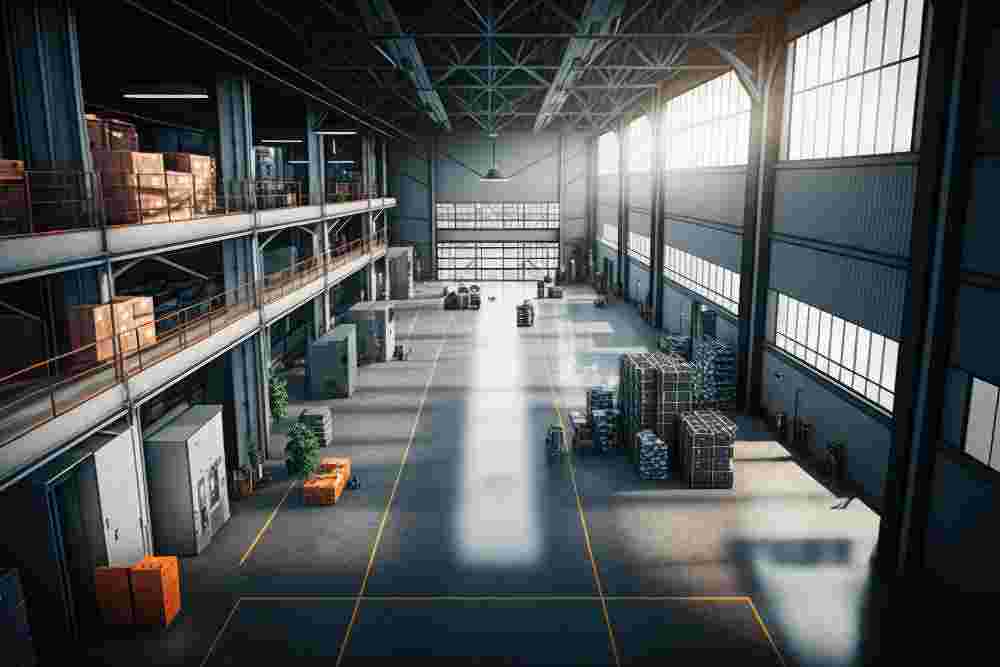
Warehouse operations are evolving faster than ever before. In Indonesia, businesses are increasingly adopting smart warehouse racking systems as a way to boost storage efficiency, cut costs, and support rapid order fulfilment. These intelligent systems use automation, software, and robotics to replace traditional rack shelving, creating a more efficient and adaptable storage infrastructure.
In this article, we’ll explore what smart warehouse racking systems are, how they work, why they are becoming essential in Indonesia’s logistics landscape, and the benefits they bring to modern warehouses. We’ll also provide real-world examples of these smart systems in action.
Understanding Smart Warehouse Racking Systems
A smart warehouse racking system is not just a shelved storage solution — it’s an integrated ecosystem that combines modern rack structures with automated technologies such as automated storage and retrieval systems (AS/RS), robotic shuttles, sensors, and intelligent software. These technologies work together to manage inventory dynamically and move goods automatically without heavy human intervention.
At its core, these systems help warehouses operate far more efficiently and precisely than traditional racks. Rather than relying on manual forklifts and labour to store and retrieve pallets, smart racking systems use autonomous machines and software to track, locate, and move items quickly and accurately.
How Smart Racking Systems Work in Practice
Smart warehouse racking integrates advanced automation hardware with warehouse management systems (WMS) to orchestrate storage operations. The major components include:
Automated Storage and Retrieval Systems (AS/RS)
AS/RS is one of the most widely used components in smart racking. It comprises tall racks structured to exploit vertical space, along with robotic cranes and shuttles that automatically retrieve and place pallets or bins. The system ensures fast operations and minimal errors.
Shuttle Racking and Robotics
Shuttle racks use automated shuttle robots that run on rail systems inside the racks to transport items between locations. These solutions boost storage density and reduce congestion because forklifts are not required inside aisles.
Smart Sensors & IoT Integration
Internet of Things (IoT) sensors track inventory locations, rack conditions, and load status in real time. This data syncs with warehouse software for monitoring and maintenance alerts.
Warehouse Management Software (WMS)
The WMS serves as the system's brain. It integrates real-time inventory data, robotic schedules, fulfillment orders, and analytics to optimise operations with minimal human input.
These components work in harmony to improve performance far beyond what traditional racking can achieve.
The Rise of Smart Warehouse Racking in Indonesia
Indonesia’s logistics and warehousing landscape has been rapidly changing due to e-commerce growth, supply chain modernisation, and international trade demands. Smart racking systems are not just a trend — they are becoming a competitive necessity.
The adoption of these systems in Indonesia is driven by several factors:
-
Increasing demand for faster order fulfilment
-
Rising labour costs and workforce shortages
-
Need for accurate inventory control
-
Greater utilisation of vertical warehouse space
-
Desire to reduce operational errors and safety incidents
Smart systems enable warehouses to manage large SKU counts and handle peak-volume surges more reliably than ever before.
Benefits of Smart Warehouse Racking Systems
Boosted Storage Density and Space Utilisation
By automating storage and retrieval, smart warehouse racks take full advantage of vertical space. Traditional forklifts often require wide aisles, but automated systems can operate in narrower aisles, increasing storage capacity while reducing the physical footprint.
Lower Operating Costs Over Time
Although the initial investment in automation can be high, smart racking systems significantly reduce labour requirements and operational overheads. Automated storage reduces reliance on manual labour, which helps control long-term costs.
Faster and More Accurate Operations
Smart systems integrate with barcode or RFID technology, ensuring that inventory tracking is precise. Automated equipment and software communication eliminates many of the errors associated with human handling, improving throughput and accuracy.
Enhanced Safety and Reduced Accidents
Automation reduces the need for workers to operate in high-risk areas such as tall racks or congested aisles. Controlled automated systems minimise forklift collisions, risks of falling objects, and manual handling injuries.
Real-Time Inventory Management
Smart racking systems synchronise with inventory software to provide real-time visibility into stock levels, movement patterns, and order status. This not only enhances fulfilment accuracy but also supports supply chain planning and demand forecasting.
Applications of Smart Warehouse Racking in Indonesia
E-Commerce Distribution Centres
Indonesia’s booming e-commerce industry drives heavy demand for smart warehousing solutions. Automated racks help reduce picking times, improve accuracy, and handle order surges during peak seasons such as sales events or holidays.
Cold Storage and Pharmaceuticals
In cold storage and pharmaceutical environments, automated racking systems optimise performance by minimising human exposure to harsh conditions while maintaining accurate temperature-controlled inventory tracking.
Manufacturing and Heavy Industrial Storage
Manufacturers use smart racking to manage raw materials, finished goods, and production inventory efficiently. Automated solutions help reduce cycle times and improve material flow on the production floor.
Third-Party Logistics (3PL) Providers
Logistics providers adopt smart racking to meet diverse client needs. With multiple customers and SKU varieties, automated systems help maintain accuracy, improve throughput, and reduce operational complexity.
Challenges to Adoption in Indonesia
While the benefits are clear, there are challenges:
Initial Investment Costs
Smart warehouse racking systems can entail significant upfront costs for robotics, software, and integration.
Technical Expertise and Training
Implementing and maintaining automated systems requires specialised skills. Training staff and securing technical support is essential for long-term success.
Integration with Legacy Systems
Existing warehouses may need infrastructure and IT system upgrades to fully leverage smart racking technology, adding complexity to retrofitting projects.
Despite these challenges, the long-term gains in efficiency, accuracy, and scalability make the investment worthwhile for many Indonesian businesses.
Comparing Smart Racking vs Traditional Racking
Here’s a simple comparison to illustrate how smart systems stack up against traditional ones:
| Feature | Traditional Racking | Smart Warehouse Racking |
|---|---|---|
| Manual Labour Required | High | Low |
| Inventory Accuracy | Moderate | Very High |
| Space Utilisation | Moderate | Excellent |
| Error Rates | High | Very Low |
| Initial Cost | Low | High |
| Long-term Efficiency | Moderate | Exceptional |
This comparison underscores why businesses are increasingly considering smart racking as the backbone of modern warehouse design.
Costs and ROI of Smart Warehouse Racking in Indonesia
Determining costs depends on warehouse size, automation level, and technology integration. While smart systems require a greater initial investment than conventional racks, the ROI is often realised through:
-
Lower labour costs
-
Faster fulfilment cycles
-
Reduced inventory errors
-
Higher storage density
-
Better safety outcomes
Many businesses find that their investment pays off in efficiency gains and reduced operational expenses over 3–7 years.
Conclusion
Smart warehouse racking systems are revolutionising how Indonesian warehouses operate, enabling businesses to handle larger inventories with greater precision, safety, and efficiency. As market demands grow and industries seek competitive advantages, the adoption of these advanced systems is becoming standard rather than optional. For any warehouse seeking improved throughput, reduced errors, and future-ready operations, smart racking systems provide a powerful solution.
Frequently Asked Questions
1. What exactly is a smart warehouse racking system?
A smart warehouse racking system combines automated hardware, sensors, robotics, and warehouse software to manage storage, retrieval, and tracking with high efficiency.
2. Are smart warehouse racking systems expensive in Indonesia?
Initial costs can be higher than traditional racks, but long-term operational savings and efficiency gains often justify the investment.
3. What industries benefit most from smart racking?
E-commerce, manufacturing, cold storage, and 3PL logistics operations benefit significantly due to high inventory volumes and accuracy requirements.
4. How do smart racking systems improve inventory accuracy?
By integrating with barcodes, RFID, and WMS, smart systems automatically track every movement, reducing manual errors and mismatches.
5. Can existing warehouses retrofit smart racking systems?
Yes. With proper planning and integration, conventional warehouses can upgrade to smart racking systems, though infrastructure and training are required.
Want to learn more? Read: https://www.streetvibex.com/blogs/82322/Why-Warehouse-Racking-Systems-Are-Widely-Used-in-Indonesia
 Portuguese (Brazil)
 English
 Arabic
 French
 Spanish
 Portuguese
 Deutsch
 Turkish
 Dutch
Dutch
 Italiano
 Russian
 Romaian
 Greek
Greek
