


Artificial Grass Installation: Complete Guide for Homeowners
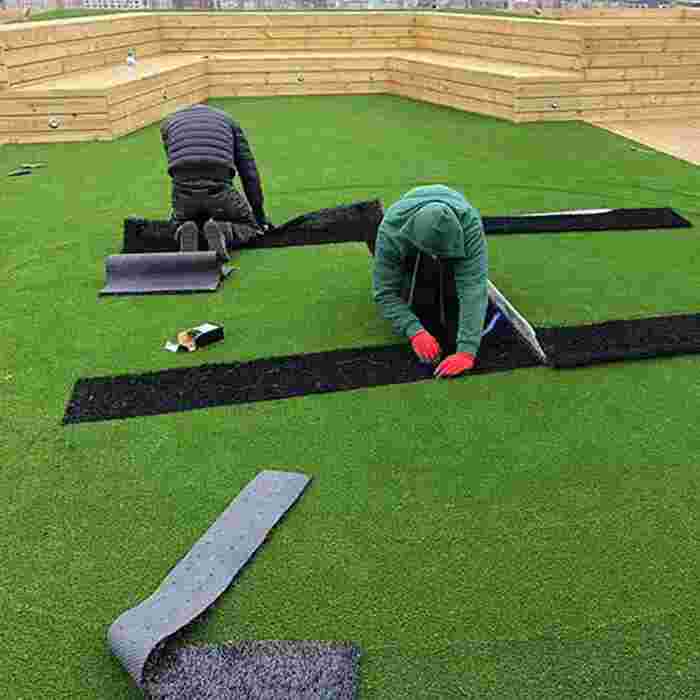
A beautiful, green lawn enhances the appearance of any home, but maintaining natural grass can be time-consuming and expensive. This is why many homeowners are choosing artificial grass installation as a practical and long-lasting solution. Artificial grass offers the look of natural turf without the constant maintenance, making it ideal for modern lifestyles. This complete guide will help homeowners understand everything they need to know about installing artificial grass.
What Is Artificial Grass Installation?
Artificial grass installation is the process of replacing natural grass with synthetic turf designed to look and feel like real grass. It involves preparing the ground, creating a stable base, installing the turf, and securing it properly. Modern artificial grass is made from high-quality synthetic fibers that are durable, weather-resistant, and visually appealing.
This installation can be done in various areas, including front yards, backyards, balconies, rooftops, and even around swimming pools.
Benefits of Artificial Grass for Homeowners
One of the main reasons homeowners choose artificial grass installation is the wide range of benefits it offers.
First, artificial grass requires very little maintenance. There is no need for mowing, watering, or fertilizing. This saves both time and money in the long run.
Second, artificial grass remains green throughout the year. Unlike natural grass, it does not dry out, turn brown, or develop patches due to weather changes.
Third, artificial grass helps conserve water. Since there is no need for regular watering, homeowners can significantly reduce their water bills and contribute to environmental conservation.
Finally, artificial grass is highly durable. It can withstand heavy foot traffic, making it perfect for families with children and pets.
Step-by-Step Artificial Grass Installation Process
Understanding the installation process helps homeowners prepare better for the project.
The first step in artificial grass installation is removing existing grass, weeds, and debris from the area. This creates a clean surface for the new turf.
The next step is preparing the base. A layer of crushed stone or gravel is added and compacted to create a stable and well-drained foundation. This ensures the artificial grass remains level and durable.
After the base preparation, a weed barrier is installed to prevent weed growth. Then, the artificial grass is rolled out, cut to fit the area, and secured using nails or adhesive.
Finally, infill material such as sand is added to keep the turf in place and help the fibers stand upright. The grass is then brushed for a natural appearance.
Maintenance Tips for Artificial Grass
Although artificial grass requires less maintenance, simple care will keep it looking fresh for years.
Homeowners should occasionally remove leaves and debris using a broom or blower. Light rinsing with water helps remove dust and dirt. Brushing the grass fibers keeps them upright and maintains a natural look.
With proper care, artificial grass can last 10 to 15 years or more.
Conclusion
Choosing artificial grass installation is a smart investment for homeowners who want a beautiful, low-maintenance lawn. It offers long-term savings, durability, and year-round greenery. With the right installation and basic care, artificial grass can transform any outdoor space into a clean, attractive, and functional area.
 Deutsch
 English
 Arabic
 French
 Spanish
 Portuguese
 Turkish
 Dutch
Dutch
 Italiano
 Russian
 Romaian
 Portuguese (Brazil)
 Greek
Greek
