


Stormwater Management: Protecting Urban Infrastructure

Stormwater Management: Sustainable Solutions for Modern Infrastructure
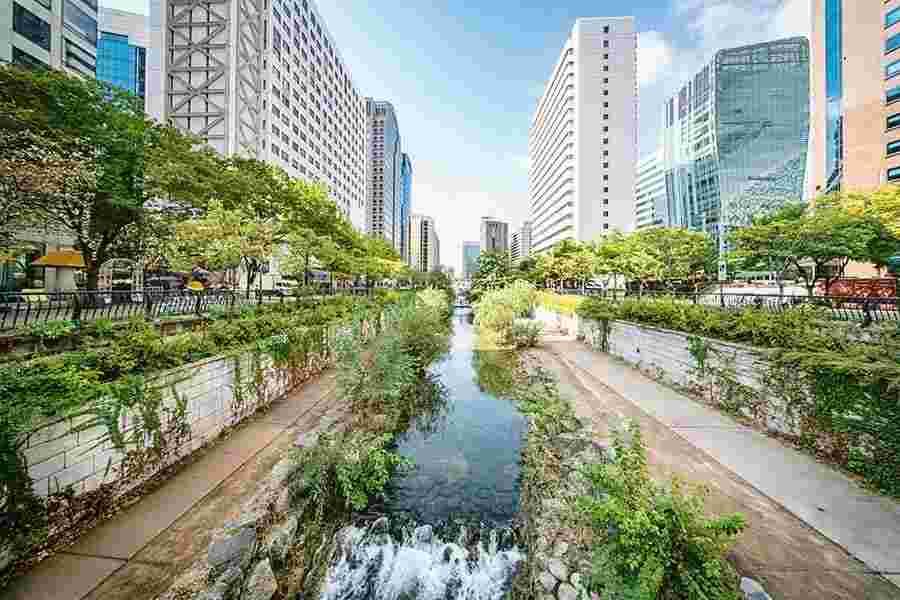
Stormwater management is an essential part of modern urban planning and environmental protection. As cities grow and infrastructure expands, managing rainwater effectively becomes critical to prevent flooding, reduce pollution, and protect natural ecosystems. Proper stormwater systems help control runoff, maintain water quality, and ensure safe communities.
In many developing and developed urban areas, professionals such as civil contractors and environmental planners work together to design systems that effectively collect, channel, and treat stormwater. When implemented correctly, these solutions improve both infrastructure durability and environmental sustainability.
What Is Stormwater Management?
Stormwater management refers to the process of collecting, controlling, and treating rainwater runoff from surfaces like roads, rooftops, and construction sites. Instead of allowing rainwater to flow uncontrolled into rivers, drains, and streets, stormwater systems guide and manage water safely.
Urban environments create large amounts of runoff because surfaces such as asphalt and concrete do not absorb water naturally. Without proper management, stormwater can cause flooding, soil erosion, and contamination of waterways.
Key objectives of stormwater management include:
-
Preventing urban flooding
-
Protecting water quality
-
Reducing soil erosion
-
Supporting sustainable development
-
Preserving natural ecosystems
Effective systems often combine engineering, landscaping, and environmental management techniques.
Why Stormwater Management Is Important
Stormwater runoff carries pollutants such as oils, chemicals, sediment, and debris from urban surfaces into nearby water bodies. Without proper filtration or management, these contaminants can harm aquatic life and degrade drinking water sources.
Proper stormwater planning offers several benefits:
Flood Prevention
Heavy rainfall can quickly overwhelm drainage systems in urban areas. Stormwater management systems reduce the risk of flooding by directing excess water into controlled drainage channels, retention basins, and permeable surfaces.
Environmental Protection
Runoff often contains harmful pollutants. By filtering and treating stormwater, cities can prevent contaminants from entering rivers, lakes, and oceans.
Infrastructure Protection
Water accumulation can damage roads, buildings, and landscaping. Effective systems designed by experienced civil contractors ensure long-term protection for infrastructure.
Sustainable Urban Development
Modern cities focus on environmentally responsible growth. Stormwater management plays a crucial role in supporting green infrastructure and sustainable development goals.
Common Stormwater Management Techniques
Different regions use various stormwater management strategies depending on climate, terrain, and infrastructure requirements.
Retention and Detention Basins
Retention and detention basins store stormwater temporarily during heavy rainfall. Detention basins release water slowly into drainage systems, while retention basins hold water permanently and allow it to infiltrate into the ground.
These systems reduce flood risk and help maintain groundwater levels.
Permeable Pavements
Permeable surfaces allow water to pass through them rather than flowing over the surface. This reduces runoff and promotes natural water absorption into the soil.
Permeable pavements are commonly used in parking lots, sidewalks, and residential developments.
Green Infrastructure
Green infrastructure solutions use natural systems to manage stormwater. These include:
-
Rain gardens
-
Green roofs
-
Vegetated swales
-
Urban wetlands
These solutions not only manage runoff but also improve air quality and enhance urban aesthetics.
Drainage Channels and Retaining Structures
Engineered drainage channels and structures such as sandstone block walls help guide and stabilize stormwater flow. These systems prevent soil erosion and protect surrounding infrastructure from water damage.
The Role of Civil Contractors in Stormwater Systems
Experienced civil contractors play a vital role in designing, constructing, and maintaining stormwater infrastructure. Their expertise ensures that systems are built according to environmental regulations and engineering standards.
Civil contractors typically handle:
-
Site grading and drainage design
-
Installation of stormwater pipelines
-
Construction of retention basins
-
Erosion control measures
-
Structural support systems
Proper planning and construction help ensure that stormwater systems function efficiently for decades.
Integration With Waste and Environmental Services
Stormwater management is closely connected to environmental sanitation and urban cleanliness. Runoff often collects debris, organic waste, and pollutants from urban areas.
This is where professional waste management services become essential. Proper waste handling reduces the amount of debris that enters drainage systems, preventing blockages and environmental contamination.
Additionally, maintaining clean urban environments through professional sanitation programs improves the effectiveness of stormwater infrastructure.
Many cities also rely on professional cleaning providers. For example, best cleaning services sydney support urban maintenance by ensuring streets, public areas, and drainage systems remain clear of debris that could interfere with water flow.
Sustainable Materials and Construction Practices
Modern stormwater infrastructure increasingly focuses on sustainability. Engineers and planners now prioritize materials and construction methods that minimize environmental impact.
Some sustainable practices include:
-
Using natural stone and durable materials
-
Installing vegetated drainage systems
-
Reducing impermeable surfaces
-
Recycling construction materials
-
Implementing eco-friendly erosion control solutions
Natural stone structures such as sandstone block walls are widely used in drainage and retaining systems because they provide durability, stability, and natural integration with landscapes.
These materials help maintain structural integrity while blending with surrounding environments.
Challenges in Stormwater Management
Despite technological advancements, stormwater management continues to face several challenges.
Urban Expansion
Rapid urban growth increases impermeable surfaces such as roads and buildings, leading to higher runoff volumes.
Climate Change
Changing weather patterns are producing more intense rainfall events, placing additional stress on stormwater systems.
Aging Infrastructure
Many cities rely on older drainage systems that were not designed for modern population densities or climate conditions.
Pollution Control
Managing pollutants in stormwater runoff remains a complex issue requiring improved filtration and treatment systems.
Addressing these challenges requires collaboration between city planners, environmental experts, and professional contractors.
Best Practices for Effective Stormwater Management
Successful stormwater systems require a combination of engineering expertise, environmental planning, and ongoing maintenance.
Some key best practices include:
Comprehensive Planning
Urban development projects should include stormwater management planning from the earliest design stages.
Regular Maintenance
Drainage systems, channels, and retention basins must be inspected and cleaned regularly to ensure proper performance.
Green Infrastructure Integration
Combining engineered systems with natural solutions improves both performance and sustainability.
Public Awareness
Educating communities about proper waste disposal and environmental responsibility helps reduce pollutants entering stormwater systems.
The Future of Stormwater Management
The future of stormwater management lies in smart infrastructure and sustainable design. Emerging technologies are helping cities monitor and control water flow more effectively.
Innovations include:
-
Smart drainage monitoring systems
-
Automated flood control systems
-
Advanced water filtration technologies
-
AI-driven infrastructure planning
These solutions allow cities to respond to heavy rainfall events more efficiently while protecting both infrastructure and natural ecosystems.
Companies like Civil craft contribute to infrastructure development by supporting projects that integrate engineering expertise with sustainable environmental practices.
Conclusion
Stormwater management is a critical component of modern urban infrastructure. As cities expand and climate patterns evolve, effective water management systems are more important than ever.
By combining advanced engineering techniques, sustainable materials, and environmental planning, communities can reduce flooding risks, protect water resources, and maintain healthier ecosystems.
Through collaboration between urban planners, environmental specialists, and experienced civil contractors, cities can develop resilient stormwater systems that support long-term growth and environmental sustainability.

 English
 French
 Spanish
 Portuguese
 Deutsch
 Turkish
 Dutch
Dutch
 Italiano
 Russian
 Romaian
 Portuguese (Brazil)
 Greek
Greek
