


Tracking the Latest Trends in RWA Tokenization Development
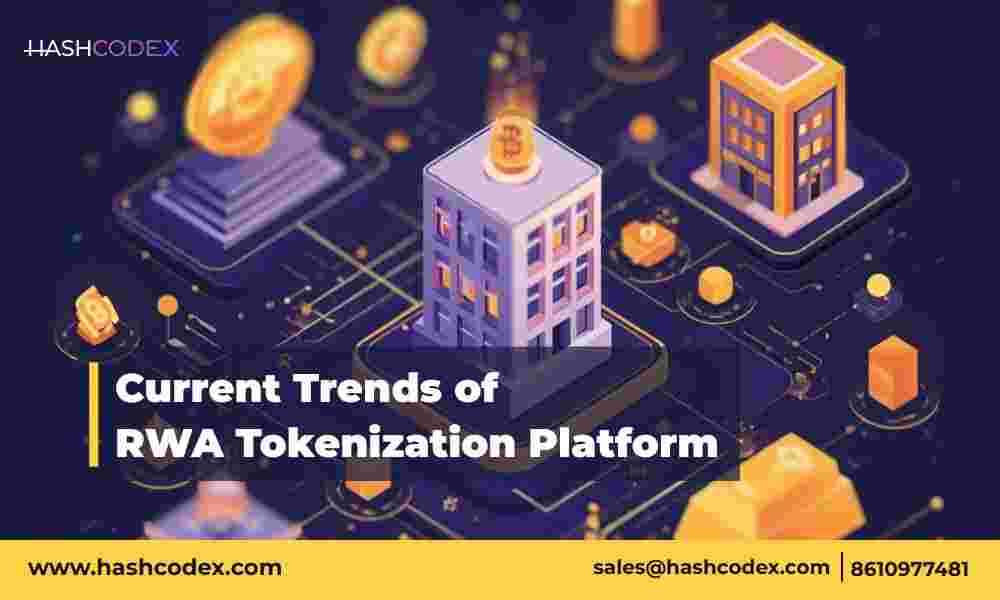
One of the major developments in blockchain technology is Real-World Asset (RWA) tokenization.
It allows physical or traditional assets such as real estate, commodities, and bonds to be converted into digital tokens on a blockchain.
With tokenization, these assets can be divided into smaller parts and traded online, making them easier for more people to invest in.
This also helps improve transparency and simplifies how assets are managed and transferred.
In this blog, we will look at why RWA tokenization is important, the current trends in RWA tokenization platforms, and the benefits of developing such platforms for modern digital markets.
Why does RWA Tokenization matter?
Real-World Asset (RWA) tokenization is gaining attention as businesses and investors seek more efficient ways to manage and trade traditional assets.
Assets such as bonds, commodities, real estate, and private equity often face challenges in traditional markets, including high entry barriers, complex ownership structures, and limited liquidity.
By transforming tangible or monetary assets into blockchain-based digital tokens, RWA tokenization resolves these problems. Tokenization makes fractional ownership possible by representing assets on blockchain networks.
This allows investors to purchase or trade high-value assets in smaller units. This strategy makes investment opportunities more accessible and enables players from various geographical areas to participate in international markets.
Transparency is another important aspect of RWA tokenization. Blockchain technology makes ownership and asset history traceable by recording each transaction in an unchangeable ledger.
This degree of openness lowers the possibility of fraud or disagreements while fostering trust among issuers, investors, and regulators.
Current RWA Tokenization Platform Trends
As companies, financial institutions, and blockchain developers investigate new approaches to digitizing real-world assets, the RWA tokenization ecosystem is quickly changing.
The following are some of the major developments influencing RWA tokenization platforms:
-
Adoption by Institutions
In an effort to update conventional financial products like funds, bonds, and credit assets, major financial institutions are increasingly investigating tokenization.
-
Tokenized Asset Class Expansion
Assets like commodities, carbon credits, government bonds, private equity, and fine art are being added to tokenization platforms in addition to real estate.
-
DeFi Ecosystem Integration
Decentralized finance platforms are incorporating tokenized assets for use in lending, borrowing, and liquidity pools.
-
Cross-Chain Interoperability
The modern tokenization platforms are designed in a way that can support multiple blockchain networks, making it possible to transfer assets between ecosystems.
-
Fractional Ownership Models
Assets are being split into smaller units, enabling investors to purchase shares of expensive assets.
This approach is particularly relevant to real estate, where real estate tokenization development can help enable fractional property ownership and broader investor participation.
-
Regulatory and Compliance Integration
Platforms are being developed with compliance features, such as KYC, AML, and regulatory reporting tools.
-
Improved Security Infrastructure
Advanced security tools, such as smart contracts, decentralized oracles, and blockchain audits, are being developed.
-
Development of Tokenized Asset Marketplaces
Marketplaces are being developed where investors can buy and sell assets easily.
With the increasing trend, businesses are investing in RWA Tokenization Development to create platforms that can cater to the growing needs in the market.
Benefits of RWA Tokenization Platform Development
Several benefits can be obtained when a tokenization platform based on RWA is developed.
Improved Liquidity
Assets can be traded through digital markets, which can improve the flexibility and speed of asset transactions.
Fractional Investment
Assets can be tokenized, and investors can invest in these assets.
Improved Transparency
The blockchain technology used can improve the security and transparency of the ownership records.
Global Investment Participation
The tokenization platform can be used by investors across the world without any geographical constraints.
Improved Operational Efficiency
Smart contracts can be used to improve the efficiency of the operation.
Conclusion
However, RWA tokenization is changing the face of the traditional asset class as far as the digital economy is concerned. This is because, through the incorporation of blockchain technology, transparency, accessibility, and efficiency are enhanced in the platform.
As adoption continues to expand, RWA tokenization platforms are expected to become an important part of the future financial ecosystem.
For businesses looking to enter this space, they can consider partnering with technology companies like Hashcodex, a top RWA Tokenization Development Company, which has experience in delivering solutions for tokenization platforms.
Thus, with the right strategy and development expertise, organizations can utilize tokenization to create innovative digital assets and take part in the next phase of financial evolution.
 Turkish
 English
 Arabic
 French
 Spanish
 Portuguese
 Deutsch
 Dutch
Dutch
 Italiano
 Russian
 Romaian
 Portuguese (Brazil)
 Greek
Greek
