


The Ultimate Guide to Fragrance Free Skincare: Why Your Skin Will Thank You in 2026
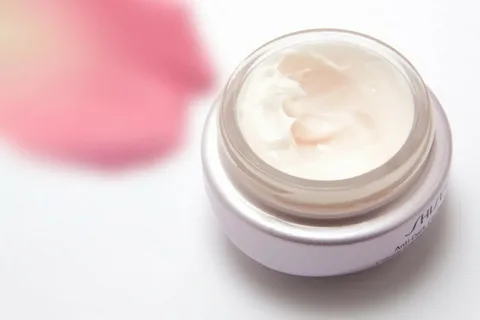
In the ever-evolving world of beauty, 2026 marks a pivotal shift toward "biocompatible minimalism." For years, the skincare industry relied on "sensorial experiences"—the flowery scents of roses or the zest of citrus—to sell products. However, as skin sensitivities and contact dermatitis reach record highs, a new hero has emerged: fragrance free skincare.
Choosing products without added scents isn't just a trend for those with reactive skin; it is a fundamental shift toward skin health and barrier preservation. In this comprehensive guide, we’ll explore why stripping away the scent might be the best thing you ever do for your complexion.
Defining Fragrance Free vs. Unscented: The Hidden Truth
One of the biggest misconceptions in the beauty aisle is that "unscented" and "fragrance free" are the same thing. They are not.
-
Unscented: These products often contain "masking fragrances" to neutralize the unpleasant chemical smell of active ingredients. You might not smell anything, but the irritating compounds are still there.
-
Fragrance Free Skincare: These formulations contain absolutely no synthetic or natural aromatic compounds. This is the gold standard for anyone looking to minimize the risk of irritation.
The Science of Scent and Skin Sensitivity
Why is fragrance such a problem? Many aromatic compounds, whether synthetic or derived from essential oils, are volatile. When they hit the skin, a chemical reaction occurs that can trigger the immune system.
Over time, repeated exposure to these molecules can lead to "sensitization." You might use a scented cream for years with no issue, only to wake up one day with a compromised barrier. By switching to fragrance free skincare, you significantly lower the inflammatory load on your skin cells.
Top Benefits of a Scent-Free Routine
Protection of the Skin Barrier
The skin barrier (acid mantle) is your first line of defense against the environment. Fragrances can cause micro-cracks in this barrier, leading to Transepidermal Water Loss (TEWL).
Reduced Risk of Rosacea Flares
For those living with rosacea, fragrance is a primary trigger. Eliminating scents helps keep the blood vessels in the face calm and reduces sudden flushing.
Better Compatibility with Active Ingredients
When you use potent actives like Retinol or Vitamin C, your skin is already working hard. Adding fragrance to the mix is like adding fuel to a fire. Fragrance free skincare ensures that your high-performance actives can work without unnecessary interference.
Key Ingredients to Look for in 2026
Since you aren't paying for "smell," you can focus on ingredients that actually provide structural support to the skin:
-
Ceramides: Lipids that act as the "mortar" between your skin cell "bricks."
-
Colloidal Oatmeal: A 2026 favorite for its ability to soothe instant redness.
-
Squalane: A biomimetic oil that mimics your skin's natural sebum without clogging pores.
-
Glycerin: A powerhouse humectant that pulls moisture from the air into your skin.
Identifying Common Irritants in Labels
To truly master a fragrance free skincare routine, you must become a "label detective." Avoid these common culprits:
-
Linalool
-
Limonene
-
Geraniol
-
Cinnamal
-
"Parfum" or "Fragrance"
Is "Natural" Scent Safer?
There is a common myth that essential oils are "safer" because they are natural. In reality, essential oils like lavender, peppermint, and ylang-ylang are highly complex mixtures of chemicals that can be just as irritating—if not more so—than synthetic perfumes. In 2026, dermatologists overwhelmingly recommend avoiding essential oils in leave-on products like moisturizers and serums.
A Step-by-Step Fragrance Free Morning Routine
-
Cleansing: Use a non-foaming, soap-free cleanser.
-
Hydrating: Apply a fragrance-free hyaluronic acid serum to damp skin.
-
Treating: Use your targeted treatment (e.g., Vitamin C or Niacinamide).
-
Sealing: Lock it in with a ceramide-rich fragrance free skincare cream.
-
Protecting: Apply a mineral-based, scent-free SPF 50.
The Psychological Benefit: Focus on Feel, Not Smell
When we remove the scent, we become more in tune with how a product actually feels. Does it sink in? Does it leave a tacky residue? Does the skin feel tight ten minutes later? This mindfulness leads to a better understanding of what your skin actually needs, rather than what your nose prefers.
Fragrance Free for the Body and Hair
Don't stop at your face. Conditions like "backne" or itchy scalps are often caused by the heavy fragrances in shampoos and body washes. Extending your fragrance free skincare philosophy to your shower routine can clear up mysterious body rashes and improve overall skin texture.
The Future of Formulation: The 2026 Outlook
We are entering an era of "Clean Clinicals." Brands are now proving that luxury doesn't have to smell like a French garden. The most sought-after products this year are those that prioritize stability and bio-efficacy over olfactory appeal.
Conclusion: Embracing the Silence of Scent
Choosing fragrance-free skincare is an act of kindness toward your body’s largest organ. By removing unnecessary volatiles, you allow your skin to focus on its primary jobs: protection, regulation, and sensation. Whether you have "iron-clad" skin or are prone to extreme sensitivity, a scent-free approach is the most sustainable way to maintain a youthful, calm, and hydrated complexion for decades to come.
Frequently Asked Questions (FAQs)
1. Does "Fragrance Free" mean a product has no smell at all?
Not necessarily. Some raw ingredients, like fats or botanical extracts, have a natural scent. A fragrance-free product will smell like its ingredients, which is often described as "earthy" or "medicinal," rather than a floral perfume.
2. Can I use perfume if I use fragrance-free skincare?
Yes! The best way to use perfume is to spray it on your clothes or hair rather than directly on your face or neck skin. This allows you to enjoy your signature scent without risking skin irritation or premature aging.
3. Is fragrance free skincare better for acne-prone skin?
Absolutely. Fragrance can cause low-level inflammation that exacerbates acne and slows down the healing of post-inflammatory hyperpigmentation (dark spots).
4. Are essential oils considered "fragrance"?
In the context of skincare labeling, yes. If a product contains essential oils for the purpose of adding a scent, it cannot be truly classified as fragrance-free.
5. Why do brands still put fragrance in skincare?
Fragrance is often used to create a "luxury" feel or to mask the naturally unpleasant smell of certain active ingredients. However, consumer demand in 2026 is rapidly pushing brands toward more transparent, scent-free options.
 Italiano
 English
 Arabic
 French
 Spanish
 Portuguese
 Deutsch
 Turkish
 Dutch
Dutch
 Russian
 Romaian
 Portuguese (Brazil)
 Greek
Greek
