


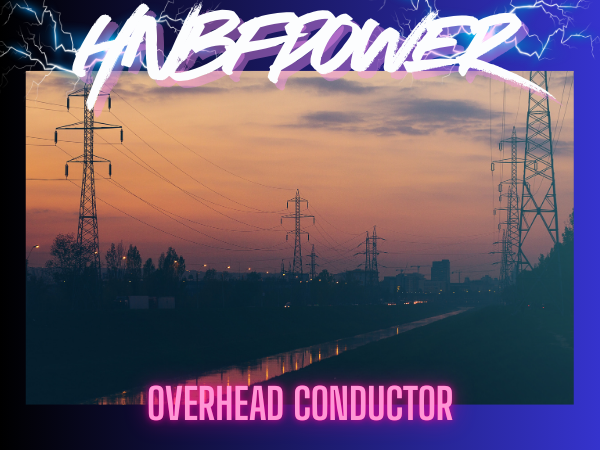
In today’s rapidly expanding energy infrastructure, choosing the right overhead conductor is a critical decision for utilities, EPC contractors, and procurement teams. Whether you are upgrading transmission lines or building new distribution networks, conductor performance directly impacts efficiency, reliability, and long-term operational costs.
This guide explores how to select the most suitable overhead conductor, key technical considerations, and how manufacturers like HNBF Power deliver tailored solutions to meet modern grid demands.
What Is an Overhead Conductor?
An overhead conductor is a cable used in power transmission and distribution lines, typically suspended between poles or towers. These conductors carry electrical energy over long distances and must withstand environmental, mechanical, and electrical stresses.
Common types include:
-
AAC (All Aluminum Conductor)
-
AAAC (All Aluminum Alloy Conductor)
-
ACSR (Aluminum Conductor Steel Reinforced)
-
ABC (Aerial Bundled Cable)
Each type is designed for specific applications based on conductivity, strength, and environmental conditions.
Key Challenges in Overhead Conductor Selection
1. Balancing Conductivity and Strength
One of the primary challenges is achieving optimal electrical conductivity while maintaining sufficient tensile strength. For example, AAC offers excellent conductivity but lower strength, while ACSR provides enhanced mechanical durability.
2. Environmental Exposure
Overhead conductors are exposed to harsh conditions such as:
-
High temperatures
-
Wind and ice loading
-
Corrosion in coastal or industrial areas
Selecting corrosion-resistant and thermally stable materials is essential.
3. Line Losses and Efficiency
Higher resistance leads to increased transmission losses. Utilities must choose conductors with low resistance to improve overall grid efficiency.
4. Installation and Maintenance Costs
Heavy or complex conductors can increase installation difficulty and long-term maintenance expenses.
Types of Overhead Conductors and Their Applications
AAC (All Aluminum Conductor)
Best suited for urban distribution networks where spans are short and mechanical stress is minimal. It offers high conductivity but limited strength.
AAAC (All Aluminum Alloy Conductor)
Provides better strength and corrosion resistance than AAC, making it ideal for coastal and high-humidity environments.
ACSR (Aluminum Conductor Steel Reinforced)
Widely used in transmission lines due to its high tensile strength. The steel core supports long spans and heavy loads.
ABC (Aerial Bundled Cable)
Used in low-voltage distribution systems, especially in densely populated areas. It reduces power theft and enhances safety.
Technical Factors to Consider
Electrical Performance
-
Conductivity (IACS %)
-
Resistance per kilometer
-
Current-carrying capacity
Mechanical Strength
-
Tensile strength
-
Sag and tension characteristics
-
Span length capability
Thermal Properties
-
Maximum operating temperature
-
Heat dissipation efficiency
Environmental Resistance
-
Corrosion resistance
-
UV stability
-
Wind and ice load tolerance
How HNBF Power Addresses Industry Pain Points
For engineers and procurement teams, the biggest concerns often revolve around reliability, compliance, and cost-effectiveness. HNBF Power, as a global manufacturer of overhead conductors and power cables, focuses on solving these challenges through:
1. Custom Engineering Solutions
HNBF Power provides tailored conductor designs based on project-specific requirements such as voltage level, terrain, and climate conditions.
2. High-Quality Raw Materials
Using premium aluminum and alloy materials ensures superior conductivity and long service life.
3. Advanced Manufacturing Processes
Precision stranding and strict quality control enhance conductor performance and reduce failure risks.
4. Compliance with International Standards
Products are manufactured in accordance with IEC, ASTM, and BS standards, ensuring compatibility with global power projects.
5. Cost Optimization for Procurement Teams
By offering competitive pricing and long-lasting products, HNBF Power helps reduce total lifecycle costs.
Best Practices for Overhead Conductor Selection
Conduct Load Analysis
Understand current and future load requirements to avoid under- or over-specifying conductors.
Evaluate Environmental Conditions
Consider factors such as altitude, humidity, and pollution levels when selecting materials.
Optimize for Lifecycle Cost
Focus not just on initial cost but also on maintenance, losses, and durability.
Work with Reliable Manufacturers
Partnering with experienced suppliers like HNBF Power ensures consistent quality and technical support.
Future Trends in Overhead Conductors
The power industry is evolving, and overhead conductor technology is advancing to meet new demands:
-
High-temperature low-sag (HTLS) conductors for increased capacity
-
Eco-friendly materials for sustainable infrastructure
-
Smart grid integration for real-time monitoring
Manufacturers are continuously innovating to improve efficiency and reliability in modern transmission systems.
FAQs About Overhead Conductors
1. What is the most commonly used overhead conductor?
ACSR is widely used due to its balance of strength and conductivity, making it suitable for long-distance transmission.
2. How do I choose between AAC and AAAC?
AAC is ideal for short spans with high conductivity needs, while AAAC offers better strength and corrosion resistance for harsher environments.
3. What factors affect conductor lifespan?
Environmental conditions, material quality, installation practices, and load capacity all impact the lifespan of an overhead conductor.
4. Are overhead conductors suitable for urban areas?
Yes, especially ABC cables, which are safer and reduce power losses and theft in densely populated regions.
5. Why is sag important in conductor selection?
Excessive sag can lead to safety risks and reduced efficiency. Proper tension and material selection help control sag.
Conclusion: Partner with HNBF Power for Reliable Solutions
Selecting the right overhead conductor is essential for building efficient, durable, and cost-effective power networks. By understanding technical requirements and working with a trusted manufacturer, utilities and contractors can significantly improve system performance.
HNBF Power combines engineering expertise, advanced manufacturing, and global standards compliance to deliver customized overhead conductor solutions tailored to your project needs.
Contact HNBF Power today to discuss your requirements and get expert guidance on the most efficient and reliable conductor solutions for your power infrastructure projects.

 Arabic
 French
 Spanish
 Portuguese
 Deutsch
 Turkish
 Dutch
Dutch
 Italiano
 Russian
 Romaian
 Portuguese (Brazil)
 Greek
Greek
