


How to Clean and Maintain a Stainless Steel Modular Kitchen
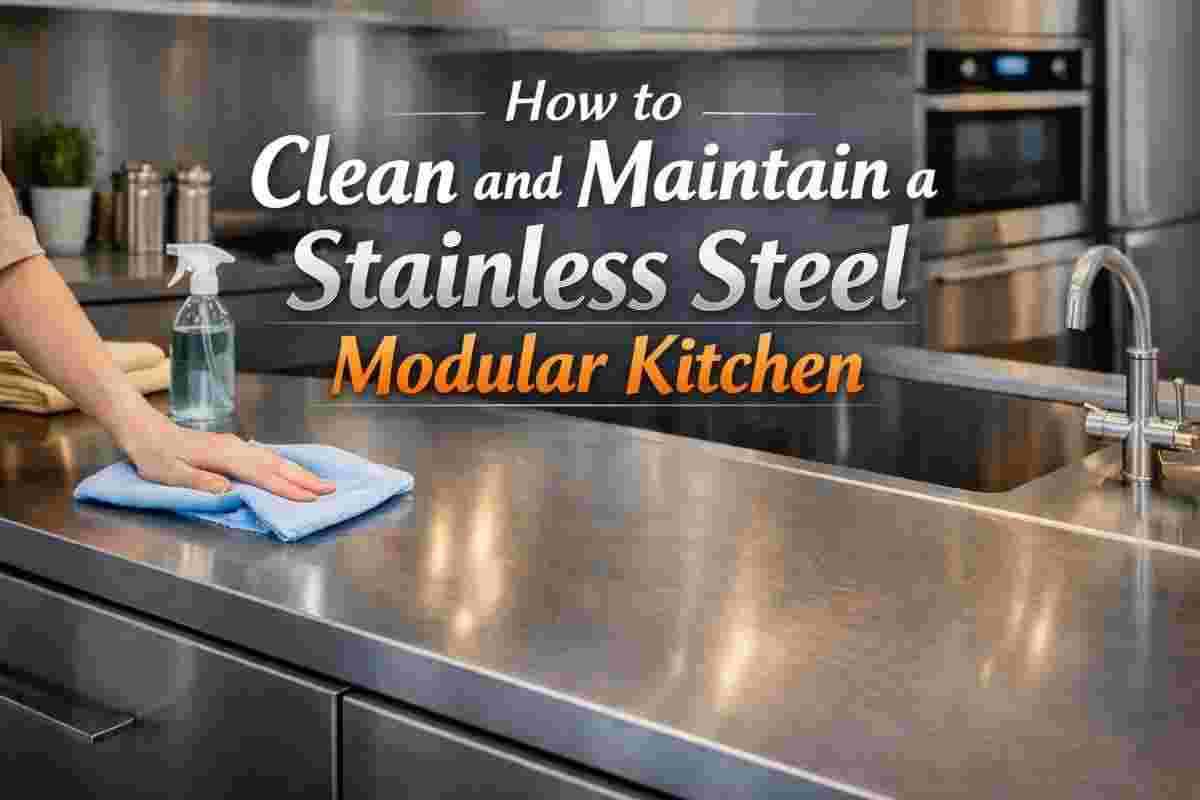
You spent a good amount of money getting that shiny stainless steel modular kitchen installed. It looked absolutely stunning on day one — everything gleaming, every surface reflecting light just right. Then came the cooking. The oil splatter. The fingerprints. The water stains that refused to go away no matter how many times you wiped them.
Sound familiar?
A stainless steel modular kitchen is one of the best investments you can make for your home. It's durable, hygienic, and looks premium for years — if you maintain it correctly. The problem is, most people clean it the wrong way, which actually makes things worse over time.
This guide covers everything: daily habits, weekly deep cleaning, how to tackle stubborn stains, and long-term maintenance tips that will keep your kitchen looking brand new for years.
Why Stainless Steel Actually Needs Special Attention
Here's something most people don't know: stainless steel has a grain — tiny directional lines running across the surface, almost like wood. When you wipe against the grain, you're essentially dragging dirt across those lines and creating micro-scratches that dull the finish over time.
That's just one of the things that makes SS kitchens different from other materials.
The common enemies of stainless steel are:
-
Bleach and chlorine-based cleaners — they cause pitting and permanent discoloration
-
Steel wool or rough scrubbers — these leave deep scratches that can't be reversed
-
Hard water — leaves white mineral deposits that look terrible and are stubborn to remove
-
Acidic foods left sitting — tomato, tamarind, lemon juice — if left on the surface for hours, they can cause surface staining
Also worth knowing: most modular kitchens in India use either 202-grade or 304-grade stainless steel. Grade 304 has higher nickel content and is more resistant to rust and staining. If you have 202-grade, you'll need to be a bit more diligent with maintenance.
What You'll Need Before You Start
Keep these supplies handy. None of them are expensive or hard to find:
Use these:
-
Soft microfiber cloths (2–3 of them)
-
Mild dish soap
-
Baking soda
-
White vinegar
-
Food-grade mineral oil or baby oil
-
Soft sponge
Avoid these:
-
Bleach or Dettol-based sprays
-
Scotch-Brite or steel wool pads
-
Acidic or abrasive chemical cleaners
-
Regular towels or rough cotton cloths
That's really all you need. Most of the best cleaning solutions for stainless steel are things you already have in your kitchen.
Daily Cleaning Routine
Honestly, the secret to a low-maintenance SS kitchen is consistency. A quick 5-minute wipe-down every day will save you hours of scrubbing every week.
After cooking, here's what to do:
-
Dampen a microfiber cloth with warm water and a drop of dish soap.
-
Wipe all surfaces — always in the direction of the grain. (Look closely at your cabinet surface; you'll see faint lines running horizontally or vertically. Follow those.)
-
Use a second dry cloth to wipe everything down immediately. Don't let water sit — even for a few minutes. Standing water is the number one cause of water spots and early rust.
-
Pay extra attention to handles, knobs, and the area around the sink. These see the most hand contact and grease.
That's it. Five minutes. Do this every day and you'll barely ever need to deep clean.
Weekly Deep Cleaning — Step by Step
Once a week, give your kitchen a more thorough clean. Here's how to go through it zone by zone:
Cabinets and shutters: Mix a few drops of dish soap in warm water. Dip your microfiber cloth, wring it well, and wipe down every shutter and cabinet panel — with the grain. Rinse the cloth and wipe again with clean water. Dry completely. Finish with 2–3 drops of baby oil on a dry cloth and buff the surface — this restores the shine and leaves a thin protective coating.
Countertops: For everyday grease and grime, a dish soap wipe-down works fine. For stubborn stains, make a paste of baking soda and water, apply it to the stain, let it sit for 5 minutes, then scrub gently with a soft sponge — with the grain. Rinse and dry.
For grease that's been sitting for a while, spray a little white vinegar on the surface, let it work for 2–3 minutes, then wipe clean. Vinegar cuts through grease beautifully without damaging the surface.
Sink: Sprinkle baking soda all over the sink basin. Scrub with a soft sponge, rinse thoroughly, then dry. Apply a tiny bit of mineral oil and buff — this keeps the sink looking polished and creates a barrier against future water spots.
Chimney and hob area panels: The SS panels near your chimney take the most heat and grease. Use a kitchen degreaser spray (check that it's SS-safe), wipe with a microfiber cloth, and dry immediately. Never use abrasive cleaners here.
How to Remove Tough Stains
Even with regular cleaning, some problems will still show up. Here's how to deal with the most common ones:
Fingerprints and smudges: A little rubbing alcohol on a soft cloth works like magic. Wipe with the grain and buff dry.
Hard water spots: Soak a cloth in undiluted white vinegar and lay it over the affected area for 5–10 minutes. The mineral deposits will loosen. Wipe with the grain and dry.
Old grease buildup: Baking soda paste + dish soap + a soft sponge. Let it sit, scrub gently, rinse well.
Surface rust or tea staining: Mix lemon juice and salt to form a paste. Apply to the rust spot, let it sit for 10 minutes, then scrub gently and rinse very thoroughly. The acid helps lift the rust, but you must rinse it completely or it'll cause further damage.
Light scratches: Minor scratches can often be buffed out using a stainless steel scratch remover kit — available online for a few hundred rupees. For deep scratches, it's better to call in a professional rather than make it worse.
Monthly Maintenance and Long-Term Care
Beyond the weekly clean, a monthly check-in goes a long way:
-
Polish with mineral oil. Buff the entire kitchen surface with a few drops of food-grade mineral oil or baby oil on a microfiber cloth. This protects the surface, repels fingerprints, and restores that factory shine.
-
Check the hardware. Tighten any loose hinges, handles, or drawer channels. Loose hardware causes stress on the SS panels over time.
-
Inspect the sealant. Look at the silicone sealant around the sink and countertop edges. If it's cracking or coming loose, get it redone. Water seeping underneath is far more damaging than surface stains.
-
Look for heat discoloration. Areas near the gas hob can develop a bluish or yellowish tint from sustained heat. This is cosmetic, but if it's spreading, consider adding a heat shield panel.
Also — every year or so, it's worth having your modular kitchen professionally serviced. A technician can check alignment, lubricate channels, and catch any issues before they become expensive problems.
Mistakes People Make
A few things to never do, no matter how tempting:
-
Wiping against the grain — always with, never against
-
Using bleach "just this once" — it permanently damages the chromium oxide layer that makes SS stainless
-
Leaving wet dishcloths on the surface — traps moisture and causes rust patches
-
Ignoring a rust spot — small rust spreads. Treat it immediately.
-
Using harsh chemical sprays without checking if they're SS-safe
Final Thoughts
A stainless steel modular kitchen is built to last decades — but only if you treat it right. The good news is, maintaining it isn't complicated. It's mostly about consistency: a quick daily wipe, a proper weekly clean, and a monthly polish.
Get those habits in place, avoid the common mistakes, and your kitchen will look just as good five years from now as it did the day it was installed.
If you're still planning your kitchen or thinking about an upgrade, make sure you ask your designer about the SS grade being used, the finish type, and what cleaning products are recommended for your specific panels. A little knowledge upfront saves a lot of frustration later.
 French
 English
 Arabic
 Spanish
 Portuguese
 Deutsch
 Turkish
 Dutch
Dutch
 Italiano
 Russian
 Romaian
 Portuguese (Brazil)
 Greek
Greek
