


Are Bluefire Butane Cartridges Safe in Your Garage?
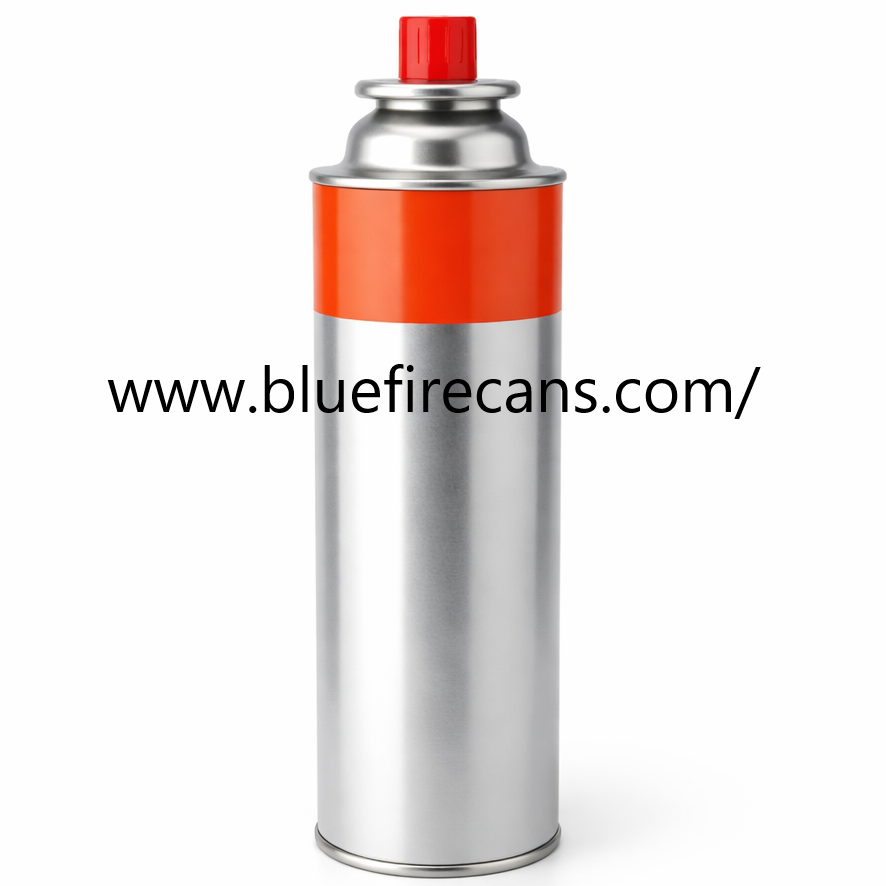
Camping gear has gotten incredibly convenient. Tiny stoves that fit in your pocket. Instant flame at the push of a button. The magic happens inside those small metal cylinders that have become essential for outdoor cooking, emergency prep, and portable heating. But convenience can breed carelessness, especially when it comes to storing what amounts to pressurized fuel in your home. A Butane Gas Cartridge might look harmless sitting on your garage shelf, but those compact cylinders contain forces that demand genuine respect.
Here's the basic science: butane becomes liquid under pressure, cramming a lot of fuel into a small space. Release that pressure through a valve and you get instant, controllable flame. Elegant engineering. The catch? That same pressure responds to temperature changes in ways that can turn a harmless container into a problem.
Summer heat in a closed garage can push a cartridge well beyond its comfort zone. Metal containers absorb heat fast, especially when there's no air moving around them. What starts as a warm day can become a pressure cooker environment that stresses the container in ways you won't see until something goes wrong. And direct sunlight? That's like putting a magnifying glass on the problem.
Ventilation isn't just about comfort — it's about physics. Butane gas is heavier than air, so any leak doesn't just float away harmlessly. It sinks. Pools. Concentrates in low spots where a spark from any source can create serious trouble. Your water heater pilot light, an electrical switch, even static electricity can ignite accumulated gas. This is why tossing cartridges into a basement corner or closed cabinet is asking for problems.
The real trick with storage is thinking like the gas wants to behave. Cool, dry, well-ventilated spaces work because they don't stress the container or create conditions for dangerous accumulation if something does go wrong. It's not paranoia — it's working with the physics instead of against it.
Rotation matters more than most people realize. Those cartridges sitting in your emergency kit for three years? The seals age. The metal develops microscopic stress points. Using older stock and replacing it regularly keeps you from discovering storage-related problems during an actual emergency when you need the equipment to work. Nothing worse than a leaky cartridge when you're trying to cook dinner on a camping trip.
Here's something that catches people off guard: transportation between storage and use creates its own risks. Cartridges rolling around in a hot car trunk, bouncing against metal tools in a toolbox, getting crushed under camping gear — these brief exposures can cause damage that shows up later during storage. A small dent might not leak immediately, but months of pressure cycling can turn minor damage into a real problem.
Building codes exist for good reasons, and they typically limit how much pressurized fuel you can store at home. Even where regulations are loose, common sense suggests keeping quantities reasonable. Ten cartridges for occasional camping use? Probably fine. Fifty cartridges because you found a great bulk deal? Maybe reconsider. The math changes dramatically if something goes wrong.
Professional outdoor retailers see the aftermath of both good and poor storage practices through warranty claims and customer stories. Their recommendations tend to be practical rather than theoretical. They know which storage mistakes actually cause problems versus which ones just sound scary in safety manuals.
Temperature swings create particular challenges for garage storage. Spaces that freeze in winter and bake in summer put cartridges through stress cycles that don't happen in climate-controlled indoor storage. Some people solve this by moving their fuel supply seasonally — garage in moderate weather, basement or utility room during extreme temperatures.
Inspection before use catches storage-related problems before they become accidents. Quick visual check for dents, corrosion around the valve, or other damage takes seconds but can prevent equipment failure or worse during operation. Many storage problems don't announce themselves until you actually try to use the cartridge.
The larger point here is that portable fuel requires active management, not passive storage. These aren't canned goods that you can forget about for years. They need appropriate storage conditions, regular inspection, and thoughtful handling throughout their lifecycle. For manufacturers and retailers working with portable fuel products, understanding storage requirements helps customers use products safely and effectively over time. Technical specifications covering proper storage parameters and safety considerations for various portable fuel applications can be found at https://www.bluefirecans.com/product/ , where the engineering details are presented with enough clarity to guide practical storage decisions while avoiding unnecessary complexity that obscures the key safety principles.
 French
 English
 Arabic
 Spanish
 Portuguese
 Deutsch
 Turkish
 Dutch
Dutch
 Italiano
 Russian
 Romaian
 Portuguese (Brazil)
 Greek
Greek
