


Fire Extinguishers in London Explained: Types, Regulations, and Maintenance Requirements for Property Owners
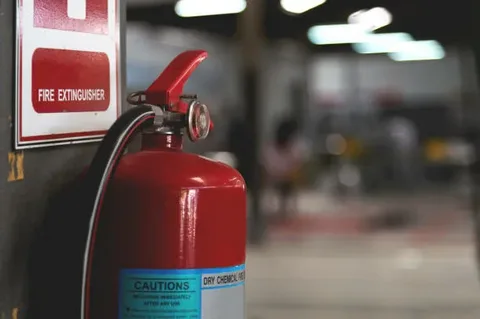
Walk into almost any commercial building in London and you will find fire extinguishers mounted on walls or tucked into corners. They are easy to overlook. Most people hope they will never need to use one. Yet when a fire starts in its early stage, the right extinguisher can stop it before it spreads.
For landlords, business owners, and managing agents, fire extinguishers are not just a recommendation. They are part of a wider fire safety setup that must meet legal expectations and practical safety needs.
Why Fire Extinguishers Still Matter
Fire alarm systems provide warning. Fire doors help contain fire. But extinguishers give occupants the chance to act immediately if it is safe to do so.
Small fires often start from:
- Electrical faults
- Cooking incidents
- Overloaded sockets
- Flammable materials stored incorrectly
In these situations, a suitable fire extinguisher can prevent damage from escalating. Without one, even a minor fire can spread quickly before emergency services arrive.
Legal Requirements for Fire Extinguishers in London
UK fire safety regulations require that appropriate fire-fighting equipment is provided where necessary. This is usually determined through a fire risk assessment carried out by a qualified fire risk assessor.
The responsible person must ensure:
- Suitable types of extinguishers are installed
- Equipment is accessible and clearly visible
- Staff or occupants understand basic usage
- Regular servicing and maintenance are carried out
Fire extinguishers also form part of the documentation that supports a fire safety certificate.
Types of Fire Extinguishers and Their Uses
Not all fires are the same, and neither are extinguishers. Using the wrong type can make a situation worse.
The table below outlines the most common types used in London properties.
| Extinguisher Type | Suitable For | Common Locations |
|---|---|---|
| Water | Paper, wood, textiles | Offices, corridors |
| Foam | Solids and flammable liquids | Shops, warehouses |
| CO2 | Electrical fires | Server rooms, offices |
| Dry Powder | Mixed fire risks | Industrial areas |
| Wet Chemical | Cooking oils and fats | Commercial kitchens |
Each extinguisher is designed for specific fire classes. This is why proper selection during installation is important.
Placement and Installation Considerations
Installing fire extinguishers is not just about placing them randomly around a building. Their location should be based on risk and accessibility.
Common placement guidelines include:
- Near exits and escape routes
- Close to high-risk areas such as kitchens or electrical equipment
- Mounted at visible and reachable heights
- Positioned so that occupants can access them without passing through fire
A fire risk assessor usually determines the number and type of extinguishers required during an assessment.
Maintenance and Servicing Requirements
Fire extinguishers require regular maintenance to ensure they work when needed. In the UK, servicing is typically carried out annually by a qualified technician.
Maintenance checks include:
- Inspecting pressure levels
- Checking seals and safety pins
- Ensuring no visible damage or corrosion
- Confirming correct positioning and signage
In addition to annual servicing, visual checks should be carried out more frequently, often monthly.
Fire extinguisher maintenance works alongside fire alarm maintenance and fire alarm testing to create a complete safety system.
The Link Between Extinguishers and Fire Alarm Systems
Fire extinguishers are most effective when used alongside other safety measures. A fire alarm system alerts occupants, giving them time to respond. Extinguishers allow trained individuals to act before the fire grows.
For example:
- A fire alarm system test ensures early detection
- A fire alarm installation provides building-wide alerts
- Fire extinguishers allow immediate response
Together, these systems reduce risk and improve safety outcomes.
Fire Extinguishers in Different Property Types
The type and number of extinguishers vary depending on the building.
Residential properties may require:
- Basic coverage in communal areas
- Extinguishers near shared kitchens
Commercial properties often need:
- Multiple extinguisher types based on risks
- Coverage across all floors
- Additional equipment in kitchens or plant rooms
Industrial spaces may require more specialised equipment due to higher risks.
Common Mistakes Property Owners Make
Despite clear guidance, a few issues appear regularly:
- Installing the wrong type of extinguisher
- Placing extinguishers in hard-to-reach areas
- Skipping annual servicing
- Failing to update equipment after layout changes
These mistakes can affect both safety and compliance.
Real-World Example
A small café in Central London installed basic water extinguishers throughout the premises. During a routine inspection, it was noted that no wet chemical extinguisher was available in the kitchen.
This created a serious risk, as water extinguishers are not suitable for cooking oil fires.
The issue was corrected by installing the correct equipment and updating maintenance records. The café then met compliance standards and reduced its fire risk significantly.
Fire Extinguishers and Certification
While extinguishers alone do not result in a fire safety certificate, they form part of the overall compliance picture.
During inspections, assessors often check:
- Whether correct extinguisher types are installed
- Maintenance records and service dates
- Accessibility and visibility
These factors contribute to whether a property meets fire safety requirements.
Choosing a Reliable Provider in London
Fire extinguisher installation and maintenance require proper knowledge. A reliable provider will:
- Recommend suitable extinguisher types based on risk
- Install equipment in correct locations
- Provide ongoing servicing and maintenance
- Offer clear documentation for compliance
In London, companies such as Safety Spectrum London are often mentioned by property managers who prefer working with providers offering complete fire safety services. This may include fire alarm installation, fire alarm testing, fire door installation, and extinguisher servicing under one arrangement.
Keeping Records Up to Date
Documentation plays a key role in fire safety. Property owners should maintain:
- Fire extinguisher service records
- Fire risk assessment reports
- Fire alarm testing logs
- Fire safety certificate documentation
These records are often requested during inspections, audits, or property transactions.
Final Thoughts
Fire extinguishers may seem like a small part of a building’s safety setup, but their impact can be significant. When used correctly and maintained properly, they provide an immediate response to small fires and support wider fire safety systems.
For London property owners, keeping extinguishers in the right place, ensuring they are serviced, and integrating them with other fire safety measures is a practical step towards safer buildings.
Helpful Next Step
Property owners looking for fire extinguisher services in London often contact experienced providers like Safety Spectrum London. They can be reached at
Company Name: Safety Spectrum London
Phone : +44 20 4628 6504
Address: 58a Tudor Road Hayes UB3 2QD
Website: https://safetyspectrumlondon.co.uk/
Email: info@safetyspectrumlondon.co.uk
 Deutsch
 English
 Arabic
 French
 Spanish
 Portuguese
 Turkish
 Dutch
Dutch
 Italiano
 Russian
 Romaian
 Portuguese (Brazil)
 Greek
Greek
