


Lifeguard Class: Everything You Need to Know About Training, Requirements, and Certification
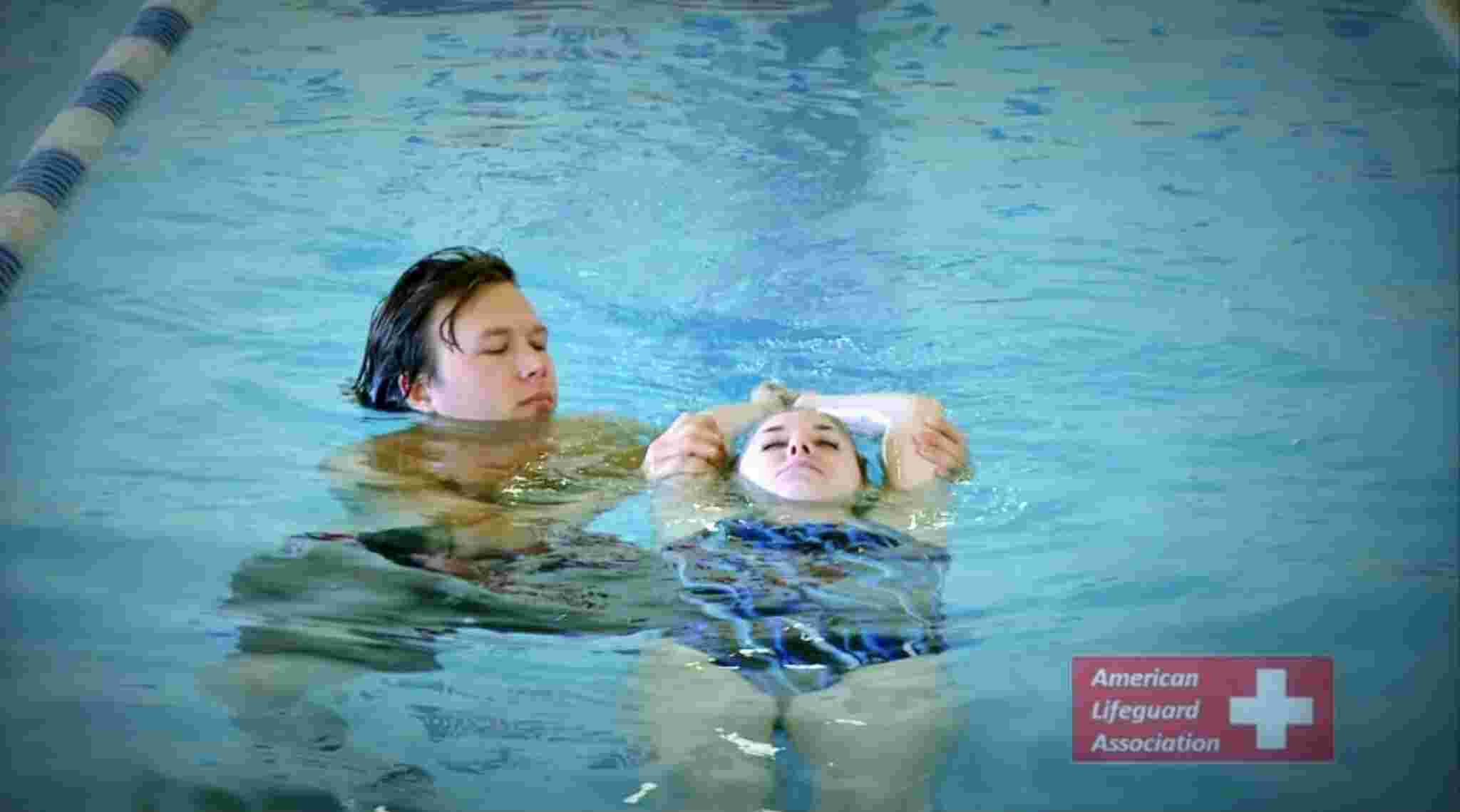
A lifeguard class is a professional training course designed to equip individuals with the skills and knowledge necessary to protect others in aquatic environments. Whether you’re interested in becoming a lifeguard for a pool, beach, or water park, completing a lifeguard class is the first step toward gaining certification and ensuring the safety of swimmers and visitors.
This guide will provide you with all the details about lifeguard class requirements, what you will learn during the course, and how to get certified as a professional lifeguard.
What Is a Lifeguard Class?
A lifeguard class is an instructional program that teaches participants the necessary skills to supervise swimming areas and respond to emergencies, including performing rescues, administering first aid, and applying CPR and AED techniques.
The class involves both classroom education (theory) and hands-on training (practical application) to prepare students for real-world lifeguarding scenarios. After successfully completing the course, participants typically earn a lifeguard certification.
Who Should Take a Lifeguard Class?
A lifeguard class is suitable for anyone interested in pursuing a career in aquatic safety. It is particularly ideal for:
- Individuals seeking seasonal or part-time work as lifeguards during the summer or holiday seasons
- Strong swimmers who want to use their abilities in a professional setting
- Fitness enthusiasts interested in a physically demanding role
- People who are passionate about water safety and helping others stay safe in aquatic environments
- Young adults who want to build responsibility and gain experience in public safety or emergency services
If you’re looking for a rewarding and impactful job where you can help protect others, becoming a lifeguard is a great option.
Requirements for Taking a Lifeguard Class
Before enrolling in a lifeguard class, you must meet a few key requirements to ensure you can handle the physical and mental demands of the job.
1. Age Requirement
- Most lifeguard courses require candidates to be at least 15 years old by the time the course begins. Some courses may require participants to be 16 years old for certain roles, such as lifeguarding at beaches.
2. Swimming Ability
You will need to demonstrate proficiency in swimming as lifeguarding involves a lot of water-based activity. The typical prerequisites include:
- Swimming 200-300 meters continuously
- Treading water for at least 2 minutes
- Retrieving a weighted object (usually 10 pounds) from the bottom of the pool or deep water
These requirements ensure that you have the physical endurance and strength to perform rescues and other lifeguard duties.
What You Will Learn in a Lifeguard Class
Lifeguard classes cover several core areas to prepare you for a wide variety of situations. Here’s an overview of the skills and knowledge you will gain:
1. Water Rescue Techniques
The cornerstone of lifeguarding is the ability to rescue victims effectively and safely. During the class, you will learn various rescue techniques, including:
- Active Victim Rescue: Assisting swimmers who are struggling but still conscious
- Passive Victim Rescue: Rescuing swimmers who are unconscious or unresponsive
- Spinal Injury Rescue: Handling victims with suspected neck, back, or spinal injuries
These rescue techniques are taught using both simulated scenarios and practical exercises.
2. CPR and AED Training
One of the most crucial skills a lifeguard can have is the ability to perform CPR and use an Automated External Defibrillator (AED). Lifeguard classes cover:
- CPR for adults, children, and infants
- Using AEDs to help restart a person’s heart during a cardiac emergency
- Rescue breathing for individuals who are not breathing but still have a pulse
These skills are taught through hands-on practice with mannequins to ensure that you are prepared to perform them in real-life emergencies.
3. First Aid
Lifeguards must be able to provide first aid in a variety of situations. During the class, you will learn how to treat:
- Cuts, scrapes, and bruises
- Sprains and fractures
- Heat exhaustion and heatstroke
- Hypothermia
Basic first aid skills are essential for stabilizing a victim until professional medical help arrives.
4. Surveillance and Risk Prevention
Preventing accidents is one of the most important roles of a lifeguard. In the class, you will learn:
- Effective scanning techniques to monitor large groups of swimmers
- How to spot early signs of distress in swimmers
- Identifying unsafe behavior and intervening before it leads to accidents
- Enforcing safety rules to ensure a safe environment
You will practice the 10/20 Rule, which involves scanning every 10 seconds and being able to reach a victim within 20 seconds.
5. Emergency Action Plans (EAP)
A well-organized emergency response is critical when an incident occurs. In your training, you will learn how to:
- Activate emergency protocols during a crisis
- Communicate effectively with other lifeguards and emergency responders
- Coordinate rescues and medical assistance during emergencies
Scenario-based drills will give you hands-on practice with Emergency Action Plans (EAPs), helping you respond efficiently under pressure.
6. Communication Skills
Effective communication is key to being a successful lifeguard. You will learn how to:
- Use whistle signals to gain attention or warn swimmers of danger
- Use hand signals for silent communication with other lifeguards, especially in noisy environments
- Give clear verbal commands to swimmers during rescues or when enforcing rules
Communication ensures that everyone involved in the rescue or emergency is on the same page.
7. Physical Fitness
Lifeguards must meet certain fitness standards due to the physical nature of the job. The class includes:
- Swimming drills to build endurance and speed
- Strength exercises for lifting victims out of the water and performing rescues
- Treading water exercises to simulate emergency situations
Maintaining physical fitness is a key part of being prepared for the challenges of lifeguarding.
Certification Process
After completing the lifeguard class, you will need to pass:
1. Practical Skills Test
You will demonstrate your ability to perform rescues, CPR, first aid, and other essential skills.
2. Written Exam
The written test assesses your knowledge of water safety protocols, lifeguarding procedures, and emergency response.
3. Receive Certification
Once you pass both exams, you will receive your lifeguard certification, which is usually valid for 1 to 2 years. Afterward, you will need to recertify through a shorter, refresher course.
Cost of a Lifeguard Class
The cost of a lifeguard class typically ranges from $150 to $400, depending on the organization and location. This fee usually covers:
- Course materials (manuals, equipment)
- Pool usage fees
- Examination costs
Some employers offer to cover the cost of the class in exchange for a commitment to work for a certain period after certification.
Career Opportunities After Completing a Lifeguard Class
Once you are certified, you can pursue a variety of career opportunities in aquatic environments, such as:
- Public or private swimming pools
- Beaches
- Water parks
- Fitness centers
- Resorts and hotels
- Cruise ships
Career Advancement
As you gain experience, you can move up to higher positions like:
- Head Lifeguard: Supervise a team of lifeguards and manage daily operations
- Aquatic Supervisor: Oversee safety and operations at a larger aquatic facility
- Lifeguard Instructor: Teach and certify new lifeguards
Final Thoughts
A lifeguard class is more than just a certification process—it’s the foundation for a rewarding career in water safety. The skills you’ll learn, such as rescue techniques, CPR, first aid, and communication, will prepare you to handle emergencies efficiently and keep swimmers safe.
By completing the course and staying current with your certifications, you can build a successful and impactful career as a lifeguard, ensuring the safety of others in aquatic environments.
 Greek
Greek
 English
 Arabic
 French
 Spanish
 Portuguese
 Deutsch
 Turkish
 Dutch
Dutch
 Italiano
 Russian
 Romaian
 Portuguese (Brazil)
