


Understanding the Dry-Out Process for Homes and Businesses
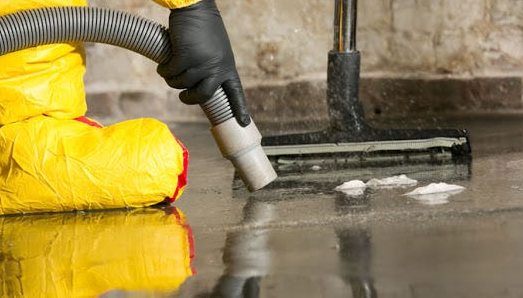
When a property experiences water intrusion—whether due to flooding, burst pipes, storm damage, or plumbing failures—one of the most crucial steps in recovery is the dry-out process. Proper Water Damage Restoration begins with an immediate and strategic approach to drying, preventing long-term structural problems, mold growth, and expensive repairs. Both homeowners and business owners benefit from understanding how the dry-out process works, why it matters, and what to expect along the way. A well-managed dry-out not only protects the building but also preserves safety and indoor air quality.
Why the Dry-Out Process Is Important
Water damage is far more complex than it appears on the surface. While visible water may seem manageable, hidden moisture can seep into materials such as drywall, insulation, flooring, and substructures. If not addressed promptly, this trapped moisture begins to cause structural deterioration and creates ideal conditions for mold and bacteria.
Some of the most common risks of improper drying include:
- Weakening of building materials
- Warping or swelling of wood
- Mold and mildew formation
- Electrical hazards
- Lingering odors and indoor air quality issues
Understanding these risks highlights why professional drying is essential for both homes and business properties.
Step 1: Water Extraction
The first step in any dry-out process is removing standing water. This involves using pumps, wet vacuums, and extraction tools to eliminate as much water as possible. Extracting water quickly is critical because the longer water sits, the deeper it penetrates into materials and the harder it becomes to remove.
Professionals assess which areas require immediate attention, prioritizing rooms with high absorption materials such as carpets and drywall. Businesses often require additional precautions to protect equipment, electronics, and inventory.
Step 2: Moisture Assessment and Mapping
Even after water extraction, moisture remains inside walls, floors, and hidden cavities. Moisture detection tools such as hygrometers, thermal imaging, and moisture meters help identify damp areas that need further drying.
This stage includes:
- Identifying moisture pockets
- Mapping affected zones
- Establishing a customized drying plan
Moisture mapping is especially important for commercial buildings, where complex layouts, interconnected systems, and large square footage can make moisture harder to track.
Step 3: Air Movement
Once areas have been identified, high-powered air movers are placed strategically throughout the property. These machines increase airflow across wet surfaces, speeding up the evaporation process. Proper air movement ensures that moisture trapped inside materials is driven to the surface, where dehumidifiers can later remove it from the air.
For large commercial spaces, technicians may place dozens of air movers to ensure even and consistent drying. In residential settings, smaller-scale but equally efficient equipment is used.
Step 4: Dehumidification
Evaporated moisture becomes airborne, and without dehumidification, it can settle elsewhere and cause secondary damage. Industrial-grade dehumidifiers remove moisture from the air, keeping humidity levels low and maintaining steady drying progress.
Two main types of dehumidifiers are commonly used:
- Refrigerant dehumidifiers, best for warmer environments
- Desiccant dehumidifiers, ideal for colder climates or large spaces
Both models help reduce moisture levels to safe, normal conditions. Maintaining proper humidity is essential, especially for businesses with sensitive materials, electronics, or inventory that can be damaged by excess moisture.
Step 5: Temperature Control
Temperature plays a significant role in the drying process. Warmer temperatures accelerate evaporation, while cooler temperatures can slow progress. Professionals balance heat, airflow, and humidity to create optimal drying conditions. Adjusting thermostats or using portable heaters may be necessary depending on the building’s environment.
Step 6: Monitoring and Adjustments
Drying a property isn't a one-time setup—it requires ongoing monitoring. Technicians regularly check moisture levels, adjust equipment placement, and ensure the drying plan is on track. As materials dry, air mover positions may need to be changed to target new damp areas.
Monitoring prevents delays and ensures that the job is completed thoroughly. For commercial properties, detailed logs are often kept for insurance documentation and compliance.
Step 7: Final Inspection and Restoration
After moisture levels return to safe, industry-accepted standards, equipment is removed and a final inspection is performed. This step verifies that all affected areas are dry and that no hidden moisture remains.
From here, additional restoration may begin, such as:
- Repairing damaged drywall
- Replacing carpet or flooring
- Repainting walls
- Addressing structural repairs
A dry-out is only the first phase of a complete recovery after water damage, but it is the foundation of successful restoration.
How Long Does the Dry-Out Process Take?
The timeline depends on factors such as:
- Extent of water damage
- Type of water (clean, gray, or contaminated)
- Building materials involved
- Size of the property
- Weather and temperature
Generally, a dry-out may take anywhere from 2 to 5 days, but large commercial properties or severe damage can take longer.
Why Professional Help Matters
While some may attempt DIY drying, professional teams bring industry knowledge, advanced equipment, and safety protocols that ensure thorough and efficient results. They also help prevent mold growth—one of the most significant risks after water damage.
For businesses, hiring professionals minimizes downtime, protects valuable assets, and ensures compliance with health and safety regulations. For homeowners, it brings peace of mind knowing their living space is safe, dry, and healthy.
Final Thoughts
Understanding the dry-out process empowers property owners to act quickly and make informed decisions during water emergencies. A proper dry-out not only protects the structure but also prevents long-term issues that could lead to costly repairs. Whether for a home or business, investing in a professional approach ensures safety, efficiency, and long-lasting results.
 Portuguese
 English
 Arabic
 French
 Spanish
 Deutsch
 Turkish
 Dutch
Dutch
 Italiano
 Russian
 Romaian
 Portuguese (Brazil)
 Greek
Greek
