


Common Mistakes to Avoid with E-Collar Training
Introduction
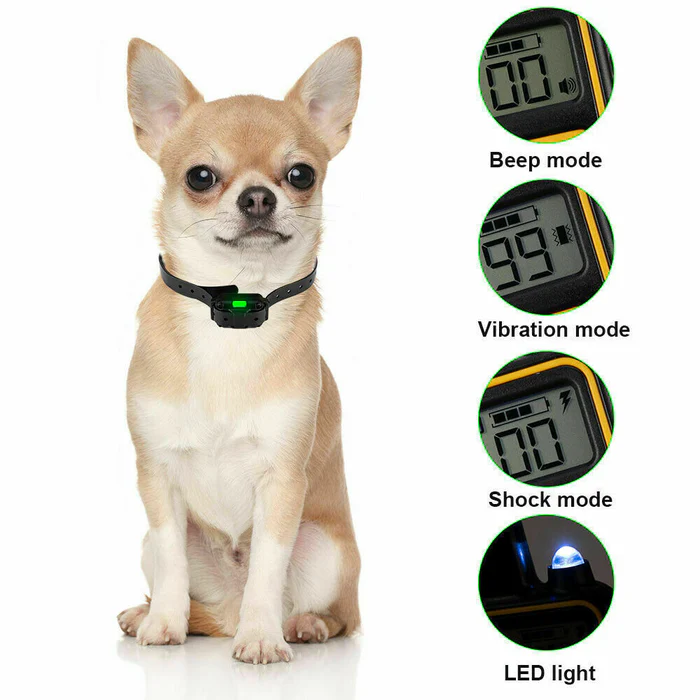
Using an electric dog training collar can be effective when done right, but many pet owners make avoidable mistakes. At Pet Supplies Australia, we believe proper understanding and humane use are key to successful training and a happy, well-behaved dog.
Understanding E-Collar Training First
Before diving into mistakes, let’s get one thing clear: an electric dog training collar is not a punishment device—it’s a communication tool. When used correctly, it helps reinforce commands and improve off-leash control.
However, misuse can lead to confusion, fear, or even behavioral issues. That’s why knowing what not to do is just as important as knowing what to do.
1. Using the Collar Without Proper Training Knowledge
One of the most common mistakes is jumping in without learning how the collar works.
Many dog owners assume they can simply put the collar on and start pressing buttons. Unfortunately, this often results in inconsistent signals that confuse the dog.
Why this is a problem:
-
Dogs don’t understand random corrections
-
It can create anxiety instead of obedience
-
Training becomes ineffective
What to do instead:
Take time to understand the collar settings, stimulation levels, and timing. Many products from Pet Supplies Australia come with guides—use them!
2. Starting with High Stimulation Levels
Another big mistake is using a stimulation level that’s too high right from the start.
Think of it like this: you wouldn’t shout at someone before trying to speak calmly first, right?
Common issues with high levels:
-
Fear-based reactions
-
Aggression or withdrawal
-
Loss of trust
Better approach:
Start at the lowest possible level your dog can feel. Gradually adjust based on responsiveness, not frustration.
3. Using the Collar as Punishment Instead of Communication
An electric dog training collar should never be used to punish unwanted behavior after the fact.
Timing is everything. If you correct your dog too late, they won’t associate the stimulation with the behavior you’re trying to fix.
Mistake example:
Dog barks → you wait → then correct → dog gets confused
Correct method:
Use the collar during the behavior, paired with a known command like “No” or “Come.”
4. Skipping Basic Training Foundations
E-collars are not magic tools—they work best when your dog already understands basic commands.
If your dog doesn’t know what “sit” or “come” means, the collar won’t teach them from scratch.
Why this matters:
-
The collar reinforces, not teaches
-
Without foundation, training becomes inconsistent
Solution:
Start with positive reinforcement training, then introduce the collar as a support tool.
5. Inconsistent Use of Commands
Consistency is key in dog training, yet many owners change commands or use them irregularly.
For example:
-
Saying “Come” one day and “Here” the next
-
Correcting sometimes but not always
This creates confusion and slows progress.
Best practice:
-
Stick to one command per behavior
-
Use the collar consistently and predictably
At Pet Supplies Australia, we always emphasize consistency as the backbone of effective training.
6. Leaving the Collar on for Too Long
It might seem convenient to leave the collar on all day, but this can cause both physical and behavioral issues.
Potential problems:
-
Skin irritation or pressure sores
-
Dogs becoming “collar-wise” (only behaving when it’s on)
What to do:
-
Limit wear time to recommended durations (usually under 8–10 hours)
-
Rotate collar position slightly to prevent irritation
7. Not Pairing with Positive Reinforcement
A huge misconception is that e-collar training replaces rewards—it doesn’t.
Dogs learn best when corrections are balanced with praise and rewards.
Mistake:
Only correcting bad behavior without rewarding good behavior
Fix:
-
Use treats, praise, or play when your dog responds correctly
-
Reinforce the behavior you want to see more of
This balanced approach leads to faster and happier learning.
8. Poor Timing of Corrections
Timing is everything with an electric dog training collar.
Even a delay of a few seconds can completely confuse your dog.
Example:
Dog jumps → you correct after they land → dog doesn’t connect the correction
How to improve timing:
-
Stay focused during training
-
Correct during the unwanted behavior
-
Practice improves precision
9. Relying Too Much on the Collar
Some owners become overly dependent on the collar, using it for every situation.
This can prevent your dog from truly learning and responding independently.
Signs of over-reliance:
-
Dog only obeys when collar is on
-
Frequent corrections instead of guidance
Better strategy:
Gradually phase out reliance by reinforcing verbal commands and rewards.
10. Ignoring Your Dog’s Emotional State
Dogs aren’t robots—they have emotions, stress levels, and limits.
Using an electric dog training collar when your dog is already anxious or overstimulated can make things worse.
Watch for signs like:
-
Tail tucked
-
Excessive panting
-
Avoidance behavior
What to do:
Pause training, calm your dog, and resume later in a relaxed state.
11. Using the Wrong Collar for Your Dog
Not all collars are created equal, and choosing the wrong one can lead to ineffective or harmful training.
Factors to consider:
-
Dog size and breed
-
Temperament
-
Training goals
At Pet Supplies Australia, you’ll find a range of collars designed for different needs—choosing the right one makes a huge difference.
12. Lack of Patience
Training takes time—there’s no shortcut.
Many owners expect instant results and become frustrated when progress is slow.
Reality check:
-
Every dog learns at a different pace
-
Consistency beats speed
Tip:
Celebrate small wins and stay patient. Your dog is learning, even if it doesn’t feel like it yet.
Practical Tips for Successful E-Collar Training
To avoid these mistakes, keep these simple guidelines in mind:
-
Start low, go slow
-
Be consistent with commands
-
Reward good behavior
-
Keep sessions short and positive
-
Monitor your dog’s comfort and response
Using an electric dog training collar responsibly can transform your dog’s behavior when paired with the right approach.
Final Thoughts
E-collar training can be a powerful tool—but only when used correctly. By avoiding these common mistakes, you’ll create a safer, more effective training experience for your dog.
 Turkish
 English
 Arabic
 French
 Spanish
 Portuguese
 Deutsch
 Dutch
Dutch
 Italiano
 Russian
 Romaian
 Portuguese (Brazil)
 Greek
Greek
