


How Do Chemical Peels Work on the Skin?
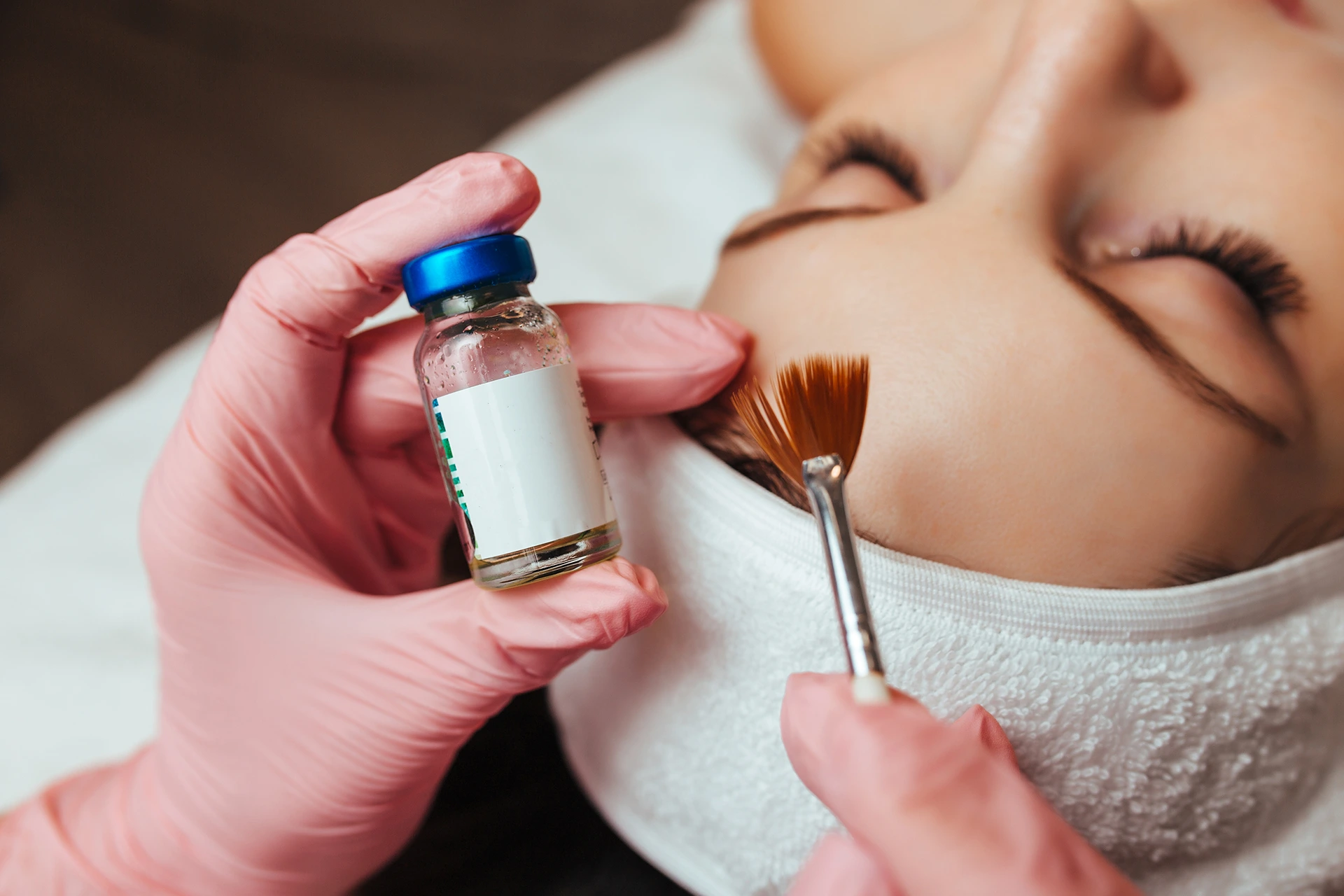
If you are considering advanced skincare treatments, understanding how Chemical Peels in Islamabad work on the skin can help you make an informed decision. Chemical peels are widely recognized for their ability to rejuvenate the skin, improve texture, and address multiple concerns such as acne, pigmentation, and signs of aging. For beginners, the process may seem complex, but it is based on a scientifically proven method of controlled exfoliation and skin renewal.
The Science Behind Chemical Peels
Chemical peels work by applying a specially formulated solution to the skin, which causes a controlled injury to the outer layers. This process triggers the body’s natural healing response. As the damaged skin begins to shed, new skin cells are generated, resulting in a smoother and more even complexion.
The key principle behind this treatment is exfoliation at a deeper level than regular skincare products can achieve. By removing dead and damaged skin cells, chemical peels allow fresh, healthy skin to emerge. This also enhances the skin’s ability to absorb skincare products more effectively.
Layers of Skin and Their Role
To understand how chemical peels function, it is important to know the structure of the skin. The skin consists of three main layers: the epidermis, dermis, and subcutaneous layer. Most chemical peels target the epidermis, which is the outermost layer, while stronger peels can penetrate into the dermis.
Superficial peels act only on the top layer and are ideal for mild concerns. Medium peels reach the upper dermis and are effective for treating pigmentation and fine lines. Deep peels go further into the dermis and are used for more severe skin issues, providing dramatic results but requiring more recovery time.
Types of Acids Used in Chemical Peels
Different types of acids are used in chemical peels, each with unique properties and benefits. Alpha hydroxy acids, such as glycolic acid and lactic acid, are commonly used for gentle exfoliation and improving skin texture. Beta hydroxy acid, particularly salicylic acid, is effective for acne-prone skin as it penetrates deep into the pores.
Trichloroacetic acid is often used in medium peels to treat pigmentation and moderate skin imperfections. Phenol is used in deep peels for more advanced concerns, although it requires careful handling by experienced professionals.
The Process of Skin Renewal
Once the chemical solution is applied, it begins to break down the bonds that hold dead skin cells together. This leads to controlled peeling over the next few days. During this phase, the skin may appear red and flaky, which is a normal part of the process.
As the peeling subsides, new skin cells replace the old ones. This newly formed skin is typically smoother, brighter, and more youthful. The treatment also stimulates collagen production, which plays a crucial role in maintaining skin elasticity and firmness.
Benefits of Chemical Peels on the Skin
Chemical peels provide multiple benefits that go beyond surface-level improvements. They help in reducing acne by clearing clogged pores and minimizing oil buildup. Pigmentation issues such as dark spots and melasma can also be significantly improved.
Another important benefit is the reduction of fine lines and wrinkles. By promoting collagen production, chemical peels help restore a youthful appearance. They also improve overall skin tone and texture, giving the skin a healthier and more radiant look.
What Happens During the Procedure
The procedure typically begins with cleansing the skin to remove any impurities. The chemical solution is then applied carefully to the treatment area. Depending on the type of peel, you may feel a mild tingling or warming sensation.
The duration of the treatment varies, but most sessions are completed within 30 to 45 minutes. After the application, the solution may be neutralized or left to self-neutralize, depending on the formulation used.
Recovery and Healing Process
The recovery period depends on the intensity of the peel. Superficial peels usually have minimal downtime, while medium peels may require a few days of healing. Deep peels involve a longer recovery period and require strict aftercare.
During the healing phase, it is important to keep the skin moisturized and protected from the sun. Using sunscreen is essential to prevent further damage and to maintain the results of the treatment.
Are Chemical Peels Safe for Everyone?
Chemical peels are generally safe when performed by qualified professionals. However, not all peels are suitable for every skin type. A consultation is necessary to determine the most appropriate treatment based on individual skin concerns.
People with sensitive skin or certain medical conditions may need to opt for milder peels. Following professional advice ensures both safety and effectiveness.
Why Chemical Peels Are Effective
The effectiveness of chemical peels lies in their ability to target multiple skin concerns simultaneously. Unlike topical treatments that work only on the surface, chemical peels penetrate deeper layers of the skin.
This deeper action not only improves the appearance of the skin but also enhances its overall health. By stimulating natural processes such as cell turnover and collagen production, chemical peels deliver long-lasting results.
Conclusion
Understanding how chemical peels work on the skin helps in appreciating their role in modern skincare. This treatment offers a reliable solution for improving skin texture, reducing imperfections, and achieving a youthful glow.
If you are planning to undergo this treatment, choosing a reputable clinic is essential for safe and effective results. For professional skincare services and personalized treatment plans, you can visit SKN Cosmetics, a trusted clinic known for advanced aesthetic treatments in Islamabad.
FAQs About Chemical Peels
What do chemical peels actually do to the skin?
Chemical peels exfoliate the outer layers of the skin, promoting the growth of new, healthier skin cells and improving overall texture and tone.
How long does it take for the skin to heal after a chemical peel?
Healing time depends on the type of peel. Superficial peels may heal within a few days, while deeper peels can take a week or more.
Are chemical peels painful?
Most people experience only mild discomfort such as tingling or a warm sensation during the procedure.
Can chemical peels remove acne scars completely?
They can significantly reduce the appearance of acne scars, but multiple sessions may be required for optimal results.
Is it safe to get chemical peels regularly?
Yes, when done under professional supervision, chemical peels can be safely repeated at recommended intervals.
Can chemical peels be done in all seasons?
Yes, but extra care is required during sunny seasons to protect the skin from UV damage.
What should be avoided after a chemical peel?
Avoid sun exposure, harsh skincare products, and picking at the skin during the peeling process.
Are chemical peels suitable for men?
Yes, chemical peels are effective for both men and women seeking healthier and clearer skin.

 English
 French
 Spanish
 Portuguese
 Deutsch
 Turkish
 Dutch
Dutch
 Italiano
 Russian
 Romaian
 Portuguese (Brazil)
 Greek
Greek
