


Do Ayurveda Courses Include Practical Training?
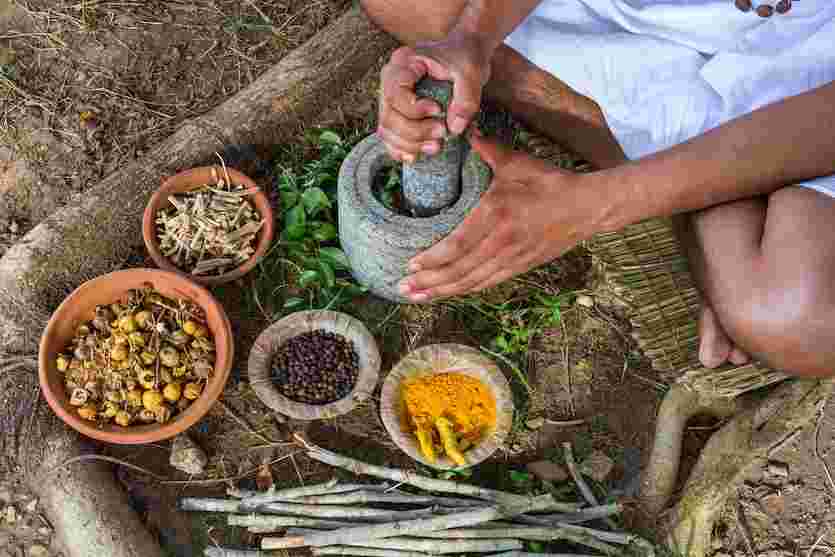
Ayurveda courses, especially those conducted in Kerala Ayurveda treatment centers, are well known for their strong emphasis on practical training along with theory learning. Since Ayurveda is a traditional healing science based on hands-on therapies, practical experience is considered an essential part of the curriculum. Students are trained not only to understand concepts but also to apply them in real treatment environments.
Ayurveda treatment center in kerala The course usually begins with basic theoretical studies, where students learn the foundation of Ayurveda. This includes important concepts such as Tridosha (Vata, Pitta, Kapha), Panchamahabhuta (five elements), body constitution (Prakriti), and disease formation (Vikriti). Students also study basic anatomy and physiology from an Ayurvedic perspective, along with herbal medicine knowledge and the properties of Ayurvedic oils used in treatments.
After building this foundation, the focus shifts to practical training, which is the most important part of Ayurveda massage and Panchakarma courses. Students are trained in traditional Kerala therapies such as Abhyanga (full body oil massage), Shirodhara (continuous oil pouring on the forehead), Pizhichil (oil bath therapy), Njavarakizhi (rice bolus therapy), Elakizhi (herbal leaf bundle massage), and Udwarthanam (herbal powder massage). These therapies are widely practiced in Kerala Ayurveda centers for stress relief, detoxification, and rejuvenation.
Practical sessions are conducted under the supervision of experienced Ayurveda doctors and therapists. Students first observe treatments, then gradually start practicing techniques on models or patients. They learn correct body posture, pressure application, oil selection, and treatment procedures. Special attention is given to patient comfort, hygiene, and safety during all therapies.
Many Ayurveda courses in Kerala also include basic Panchakarma training, where students are introduced to detoxification procedures such as Vamana, Virechana, Basti, Nasya, and Rakta Mokshana. While advanced procedures are handled by professionals, students gain important observational and assisting experience that helps them understand clinical applications.
In addition, some institutes provide exposure to Ayurvedic pharmacy and herbal preparation. Students may visit herbal gardens and medicine preparation units to learn how Ayurvedic oils, powders, and decoctions are made. This helps them understand the connection between herbs and treatments in real practice.
Kerala Ayurveda training is especially famous for its traditional “Keraleeya Panchakarma” system, which focuses heavily on rhythmic oil therapies and deep rejuvenation techniques. Most training centers follow a structured routine with theory classes in the morning and practical training sessions in the afternoon.
In conclusion, Ayurveda courses in Kerala are highly practical and skill-oriented. Students gain real hands-on experience in therapies, patient care, and treatment techniques, making them well-prepared for careers in Ayurveda wellness centers, hospitals, and therapy clinics.
 Turkish
 English
 Arabic
 French
 Spanish
 Portuguese
 Deutsch
 Dutch
Dutch
 Italiano
 Russian
 Romaian
 Portuguese (Brazil)
 Greek
Greek
