


Plastic Recycling Plant Machinery: Complete List, Cost, and Setup Guide
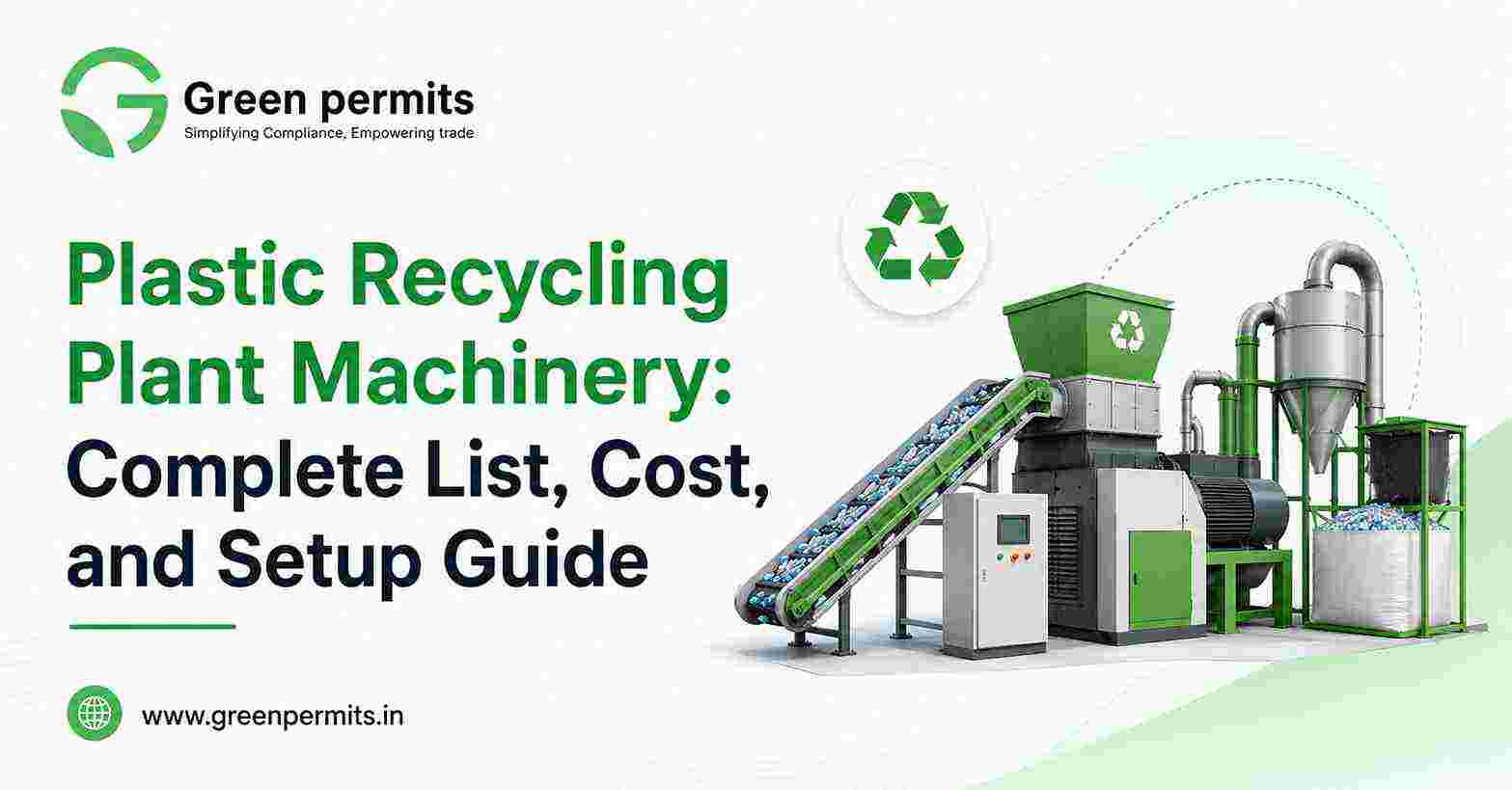
Machinery selection is one of the most important decisions while setting up a plastic recycling plant. The quality of machinery directly affects production capacity, recycled material quality, operational cost, electricity consumption, and long-term profitability. Businesses planning to enter the plastic recycling sector must understand the complete machinery requirement before starting plant setup.
A plastic recycling plant converts waste plastic into reusable raw material such as flakes, granules, or pellets. The machinery required depends on the type of plastic waste being processed, such as PET, HDPE, LDPE, PP, PVC, or multilayer plastic. A well-planned machinery setup helps improve recovery rate, reduce wastage, and maintain consistent production quality.
Choosing the right machinery is not only about buying equipment. It also involves plant layout planning, power load calculation, pollution control systems, manpower planning, and compliance with environmental approvals.
Machinery Required for Plastic Recycling Plant
A standard plastic recycling plant requires different machines for sorting, cleaning, size reduction, melting, filtering, and pelletizing. The machinery setup may vary depending on whether the plant is designed for bottle recycling, film recycling, rigid plastic recycling, or mixed plastic waste processing.
Common machinery includes plastic waste sorting systems, conveyors, washing tanks, shredders, crushers, dryers, extruders, pelletizers, cooling systems, and packaging units. For better production quality, many plants also use magnetic separators, dust removal systems, and quality testing equipment.
Small plants may start with basic machinery, while medium and large recycling units may require automatic washing lines, high-capacity extruders, and advanced material handling systems.
Plastic Recycling Plant Cost
The cost of plastic recycling plant machinery depends on plant capacity, automation level, material type, machine quality, and production output. A small-scale plant with basic machinery will require lower investment, while an automatic recycling line with washing, drying, extrusion, and pelletizing systems will require higher capital.
Major cost areas include machinery purchase, installation, electrical setup, civil work, pollution control equipment, storage systems, and utility infrastructure. Businesses also need to plan for operational expenses such as electricity, water, manpower, repair, maintenance, transportation, and raw material sourcing.
A proper cost estimate should be prepared before purchasing machinery because wrong machine selection can increase production cost and reduce profitability.
Plant Setup and Infrastructure Planning
Plastic recycling machinery must be installed in a well-planned industrial space with proper layout and movement area. The plant should have separate sections for raw plastic waste storage, sorting, washing, shredding, extrusion, finished goods storage, and waste disposal.
The facility should also include proper drainage, wastewater treatment systems, electrical panels, fire safety arrangements, and pollution control measures. For washing-based recycling plants, water treatment and reuse systems are very important to reduce environmental impact and meet pollution control norms.
Good infrastructure planning helps improve workflow, reduce material handling time, and maintain safe working conditions inside the plant.
Licenses and Compliance Required
Before starting operations, a plastic recycling plant must obtain required environmental and industrial approvals. These approvals help ensure that the recycling unit follows pollution control standards and waste management rules.
The main approvals usually include Consent to Establish, Consent to Operate, Plastic Waste Processor registration, factory license, fire safety approval, and local authority permissions where applicable.
The plant must also maintain proper records of plastic waste received, processed, recycled, and disposed of. Compliance with Plastic Waste Management Rules and EPR-related requirements is important for long-term business stability.
Business Opportunities in Plastic Recycling
The demand for recycled plastic raw material is increasing across packaging, construction, automotive, textile, furniture, and plastic product manufacturing industries. Many manufacturers are shifting toward recycled materials to reduce production cost and meet sustainability targets.
A properly planned plastic recycling plant can generate revenue through sale of recycled granules, flakes, pellets, and processed plastic raw materials. Businesses can also work with brand owners, waste aggregators, municipal bodies, and industries requiring recycled plastic supply.
With the right machinery, approvals, and market strategy, plastic recycling can become a scalable and profitable business.
Learn the Complete Plastic Recycling Plant Setup Process
If you are planning to start a plastic recycling plant, understanding the machinery list, setup cost, land requirement, licenses, and operational planning is essential before moving ahead.
Read the complete guide here:
👉 https://www.greenpermits.in/03/plastic-recycling-plant-setup-in-maharashtra-2026-cost-mpcb-noc/
📞 Get Expert Assistance for Plastic Recycling Plant Setup
If you need assistance with plastic recycling plant machinery planning, DPR preparation, environmental approvals, EPR compliance, or complete plant setup, the experts at Green Permits Consulting can guide you throughout the process.
🌐 Website: https://www.greenpermits.in
📞 Phone: +91 78350 06182
📧 Email: wecare@greenpermits.in

 English
 French
 Spanish
 Portuguese
 Deutsch
 Turkish
 Dutch
Dutch
 Italiano
 Russian
 Romaian
 Portuguese (Brazil)
 Greek
Greek
