


Childhood Trauma in Adults Symptoms Clinicians Miss Now
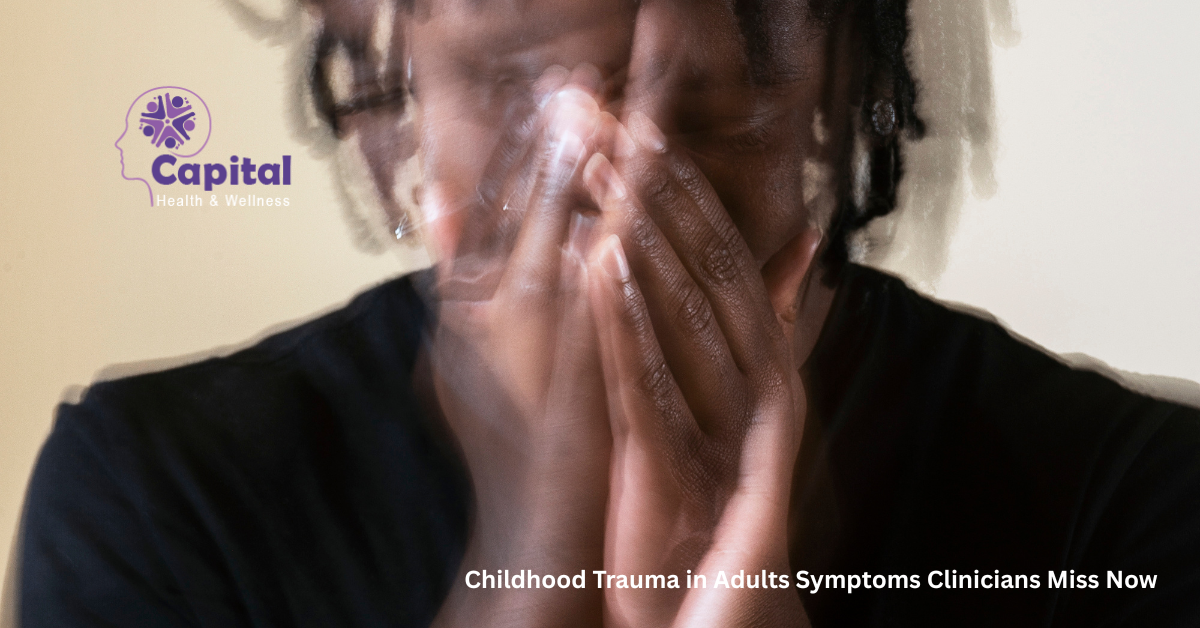
Many adults do not walk into therapy saying, “I have childhood trauma.” They come in with anxiety, depression, relationship conflict, chronic shame, emotional numbness, sleep problems, or unexplained physical tension. For clinicians, recognizing childhood trauma in adults symptoms can be the breakthrough that changes the direction of care.
At Capital Health and Wellness, trauma-informed education starts with one principle: symptoms often make sense when viewed through the lens of survival. What may look like avoidance, anger, perfectionism, emotional shutdown, or poor boundaries may actually be a trauma response shaped by early experiences. For individuals struggling with these patterns, an Intensive Outpatient Program (IOP) can provide structured, evidence-based support while allowing patients to continue their daily responsibilities at home, work, or school.
What Is Childhood Trauma in Adults?
Childhood trauma refers to harmful or distressing experiences before age 18, including abuse, neglect, witnessing violence, family instability, substance use in the home, emotional abandonment, or chronic fear. These experiences are often described as adverse childhood experiences, or ACEs.
Not every difficult childhood creates long-term trauma symptoms. However, when a child repeatedly feels unsafe, unseen, or unsupported, the nervous system may adapt in ways that continue into adulthood.
For patients, this can feel confusing: “Why do I overreact?” “Why do I shut down?” “Why do I feel unsafe even when nothing is wrong?” For clinicians, these questions are often signs to assess for developmental trauma, attachment wounds, or complex PTSD patterns.
Common Childhood Trauma in Adults Symptoms
Emotional Symptoms
Adults with childhood trauma may experience intense emotions that feel hard to regulate. Common emotional signs include:
-
Anxiety or panic
-
Depression or hopelessness
-
Shame and self-blame
-
Fear of rejection
-
Emotional numbness
-
Anger that feels sudden or disproportionate
-
Difficulty trusting calm or safe situations
A patient may appear “high functioning” at work but emotionally exhausted in private. Capital Health and Wellness encourages clinicians to look beyond surface stability and ask how much effort it takes the patient to maintain it.
Relationship and Attachment Patterns
Childhood trauma often affects attachment patterns. Adults may struggle with closeness, conflict, trust, or independence.
Some patients become people-pleasers who fear disappointing others. Others avoid intimacy because closeness feels unsafe. Some alternate between craving connection and pushing people away.
Clinically, this may present as:
-
Fear of abandonment
-
Difficulty setting boundaries
-
Choosing emotionally unavailable partners
-
Feeling responsible for others’ emotions
-
Strong reactions to criticism
-
Avoiding vulnerability
-
Repeating unhealthy relationship cycles
These patterns are not character flaws. They are often learned survival strategies.
Somatic Symptoms and Nervous System Signs
Trauma is not only psychological. It can also live in the body. Adults with childhood trauma may report physical symptoms such as:
-
Muscle tension
-
Headaches
-
Digestive issues
-
Chest tightness
-
Fatigue
-
Sleep disturbance
-
Chronic pain with no clear medical explanation
-
Feeling constantly “on edge”
Clinicians should not assume every physical symptom is trauma-related, but somatic symptoms can be important clues when medical causes have been evaluated.
Why Childhood Trauma Is Often Missed in Adults
Childhood trauma is often missed because adults normalize what happened to them. A patient may say, “It wasn’t that bad,” while describing emotional neglect, chronic criticism, or exposure to violence.
Clinicians can also miss trauma when symptoms are labeled too quickly as only anxiety, depression, ADHD, personality conflict, or poor coping. These diagnoses may be relevant, but trauma history can change the treatment plan.
At Capital Health and Wellness, trauma-informed assessment means asking careful, respectful questions without forcing disclosure. The goal is not to push patients into painful memories. The goal is to understand the full clinical picture.
Clinical Example: The Patient Who “Overreacts”
Consider an adult patient who becomes overwhelmed when a supervisor gives neutral feedback. They feel panic, shame, and an urgent need to apologize. On the surface, this looks like workplace anxiety.
But with gentle assessment, the clinician learns the patient grew up with a parent who used criticism, silence, and anger unpredictably. Feedback now triggers the same survival response: appease, freeze, and avoid conflict.
This is where trauma-informed care becomes transformative. Instead of treating the reaction as irrational, the clinician helps the patient recognize the trigger, regulate the nervous system, and build new patterns of safety.
Childhood Trauma, Complex PTSD, and Developmental Trauma
Some adults with childhood trauma may meet criteria for PTSD. Others may show symptoms more consistent with complex trauma or developmental trauma.
Complex trauma often involves repeated interpersonal harm, especially during childhood. Symptoms may include emotional dysregulation, negative self-beliefs, chronic relationship difficulty, dissociation, and a persistent sense of threat.
Clinicians should assess carefully and avoid overpathologizing. The focus should be on accurate identification, evidence-based care, and patient safety.
How Clinicians Can Identify Trauma Patterns
Ask About Function, Not Just Symptoms
Instead of only asking, “Are you anxious?” ask:
-
“When do you feel most unsafe?”
-
“What happens in your body when conflict occurs?”
-
“How did your family handle emotions?”
-
“Were you allowed to have needs as a child?”
-
“What do you do when you feel rejected or criticized?”
These questions can reveal trauma responses without making the patient feel interrogated.
Watch for Protective Behaviors
Many adult trauma symptoms are protective behaviors. Examples include:
-
Perfectionism to avoid criticism
-
Emotional shutdown to avoid pain
-
Control to avoid unpredictability
-
People-pleasing to avoid rejection
-
Avoidance to prevent overwhelm
-
Hypervigilance to detect danger early
Capital Health and Wellness recommends viewing these behaviors through a compassionate clinical lens. Patients often heal faster when they stop seeing themselves as “broken” and begin understanding how they adapted.
Evidence-Based Support for Healing From Trauma
Healing from childhood trauma is possible, but it should be approached carefully. Effective treatment may include trauma-focused cognitive behavioral therapy, EMDR, somatic approaches, attachment-based therapy, mindfulness-based regulation skills, and other evidence-based interventions.
The right approach depends on the patient’s symptoms, readiness, safety, diagnosis, and goals. Trauma work should move at a pace the patient can tolerate.
For patients in Texas, Virginia, and across the USA seeking education or support, Capital Health and Wellness offers a trusted next step for understanding trauma patterns and exploring appropriate care options.
When to Seek Professional Support
Adults should consider professional support when childhood trauma symptoms interfere with relationships, work, sleep, self-worth, emotional regulation, or daily functioning.
Clinicians should consider referral or consultation when trauma symptoms are complex, involve dissociation, self-harm risk, substance use, severe depression, or safety concerns.
This article is for educational purposes only and does not replace diagnosis, treatment, or individualized medical advice. Anyone in immediate danger or crisis should contact emergency services or a crisis hotline right away.
Take the Next Step With Capital Health and Wellness
Recognizing childhood trauma in adults symptoms is not about labeling patients. It is about understanding the story behind the symptoms and creating a safer path forward.
Capital Health and Wellness helps clinicians and individuals identify trauma patterns with clarity, compassion, and evidence-informed care. To learn more, schedule a consultation, request a trauma-informed resource, or connect with Capital Health and Wellness for guidance on next steps.
FAQs
What are the most common childhood trauma in adults symptoms?
Common symptoms include anxiety, depression, emotional numbness, shame, relationship struggles, fear of abandonment, hypervigilance, sleep issues, and somatic symptoms such as muscle tension or chronic fatigue.
Can childhood trauma cause physical symptoms in adults?
Yes. Trauma can affect the nervous system and stress response. Some adults experience headaches, digestive issues, chronic tension, fatigue, or sleep problems. Medical causes should still be evaluated.
How can clinicians recognize childhood trauma in high-functioning adults?
Look for perfectionism, people-pleasing, emotional shutdown, chronic self-criticism, difficulty trusting others, fear of conflict, and strong reactions to rejection or criticism.
Is childhood trauma the same as PTSD?
Not always. Some adults with childhood trauma meet criteria for PTSD, while others experience complex trauma, attachment issues, anxiety, depression, or emotional regulation challenges.
What is the best treatment for adults with childhood trauma?
Treatment depends on the individual. Evidence-based options may include trauma-focused CBT, EMDR, somatic therapy, attachment-focused work, and skills for nervous system regulation.
When should someone seek help for childhood trauma symptoms?
Professional support is recommended when symptoms affect relationships, work, sleep, emotional stability, safety, or overall quality of life.
 English
 Arabic
 French
 Spanish
 Portuguese
 Deutsch
 Turkish
 Dutch
Dutch
 Italiano
 Russian
 Romaian
 Portuguese (Brazil)
 Greek
Greek
