


Why a Dedicated Linux Server Still Matters for Stable, Predictable Hosting
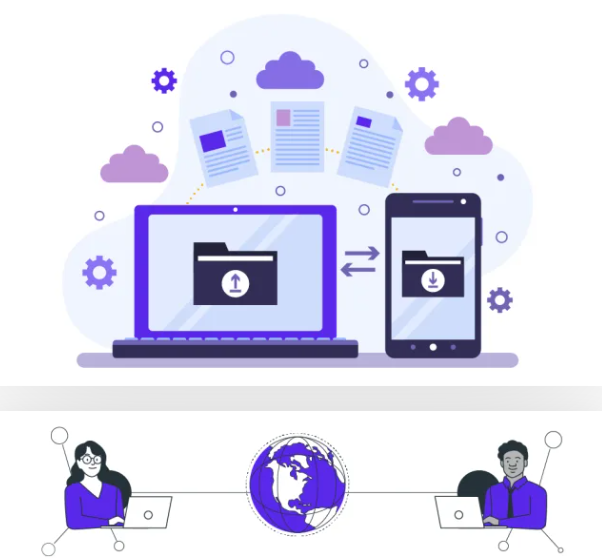
A dedicated linux server gives one user or organization full access to a machine without sharing core resources with unrelated workloads. That simple idea matters more than many people realize. When traffic rises, files grow, or applications need consistent performance, a shared environment can become unpredictable. A server reserved for one purpose avoids that problem by keeping CPU, memory, storage, and network usage focused on the same set of tasks.
One of the main strengths of this setup is control. The operating system can be configured to match the exact needs of the workload, whether that means a web application, database service, development environment, or internal business tool. Security policies can also be applied more carefully because fewer outside variables are involved. Administrators know what is running, how it is configured, and where the main risks may appear. That level of visibility makes troubleshooting easier and reduces the chance of surprise conflicts between software packages.
A dedicated environment also supports more consistent performance. Applications do not need to compete with dozens of unknown processes from other users. That can matter for sites that handle steady traffic, tools that process large files, or systems that must stay responsive during peak hours. It is not only about speed. It is also about stability over time, especially when workloads need the same behavior day after day.
There is also a practical side to maintenance. Updates, backups, log reviews, and service restarts can be scheduled with fewer external dependencies. Teams can test changes in a more controlled way and roll them out with less uncertainty. For organizations that value system reliability, the ability to manage the stack from top to bottom is often more important than raw hardware power.
For many use cases, the appeal is not novelty but predictability. A dedicated server is straightforward: one machine, one owner, one purpose, and fewer moving parts to interfere with daily operations. That clarity can make planning, scaling, and long-term management much easier.
 Italiano
 English
 Arabic
 French
 Spanish
 Portuguese
 Deutsch
 Turkish
 Dutch
Dutch
 Russian
 Romaian
 Portuguese (Brazil)
 Greek
Greek
